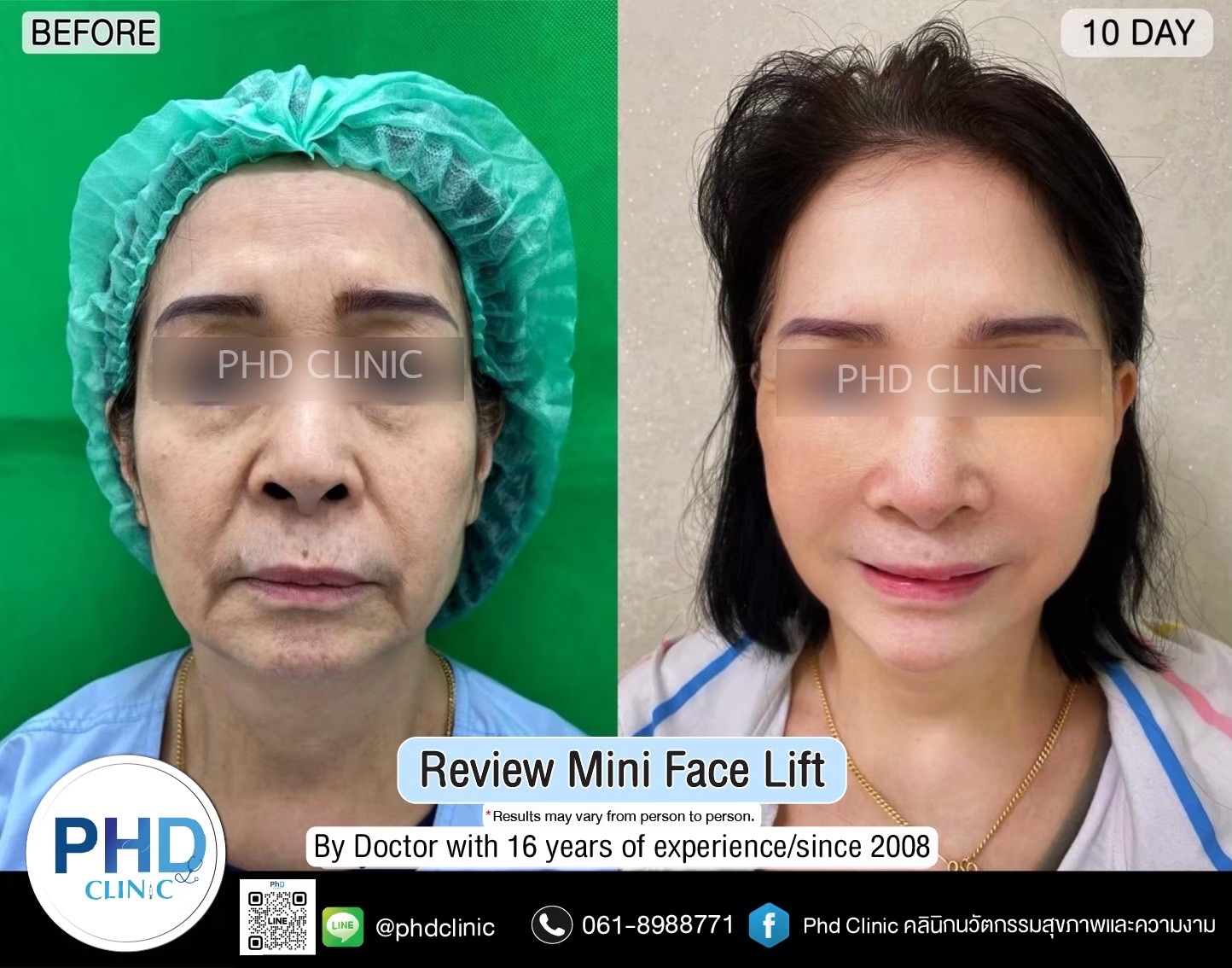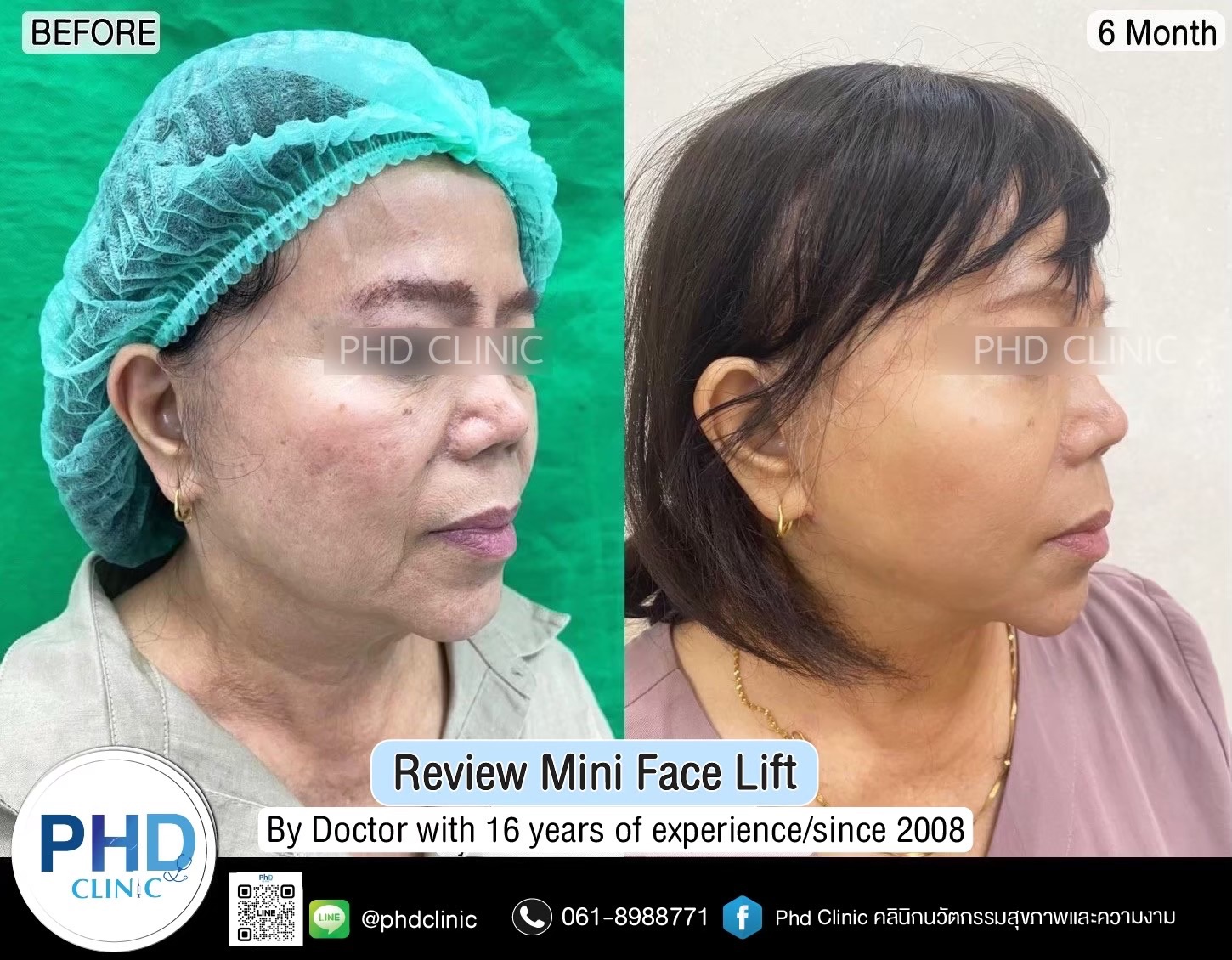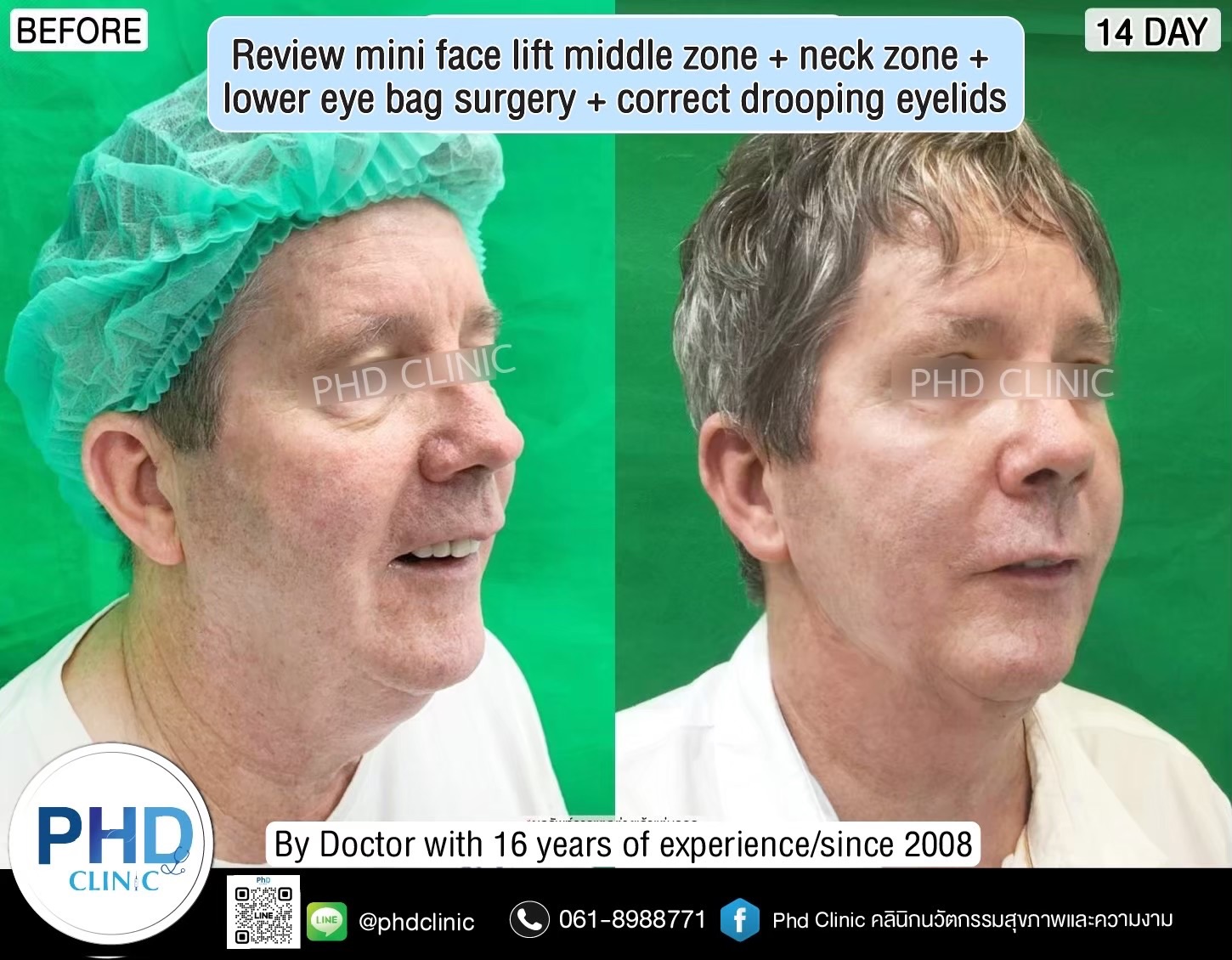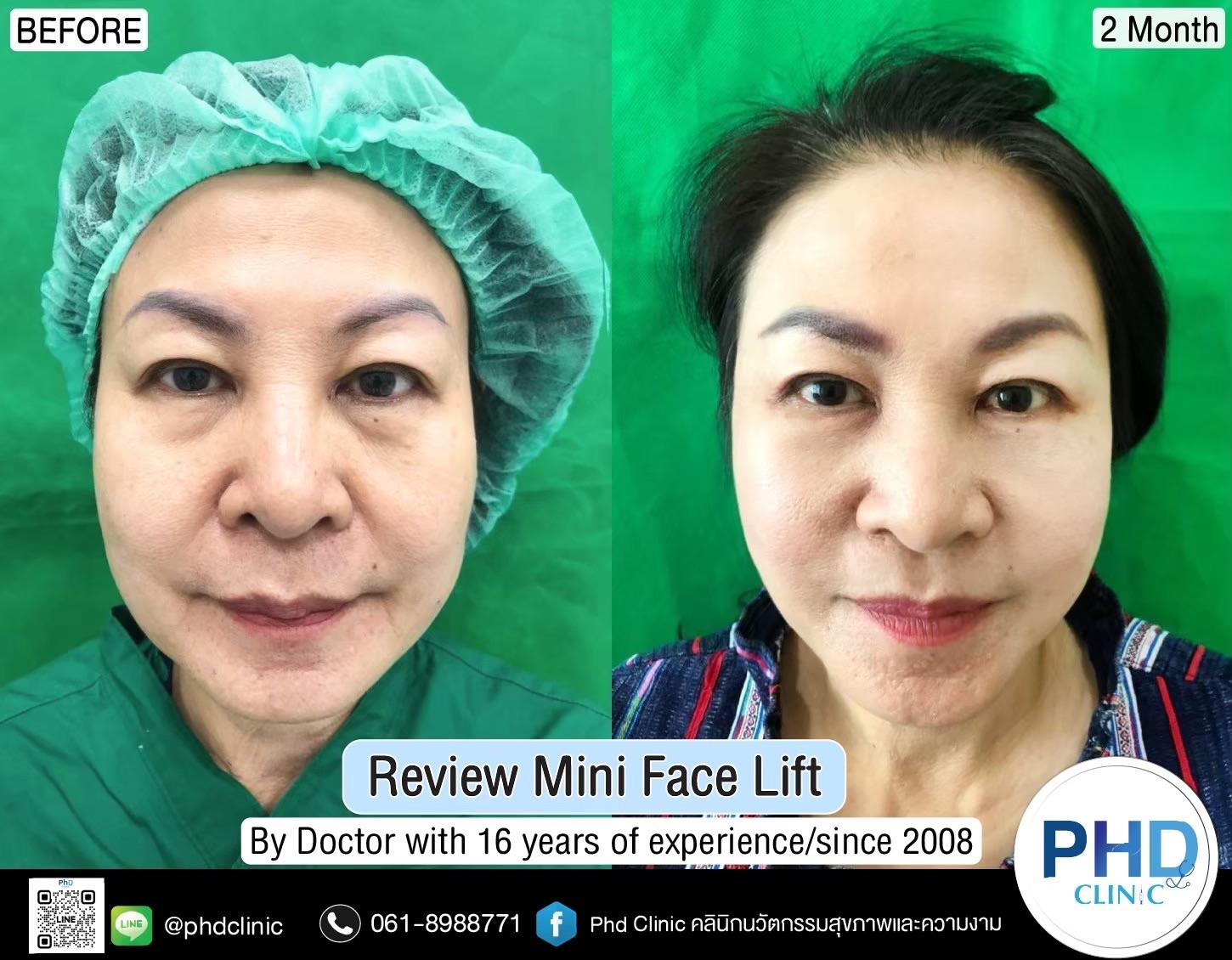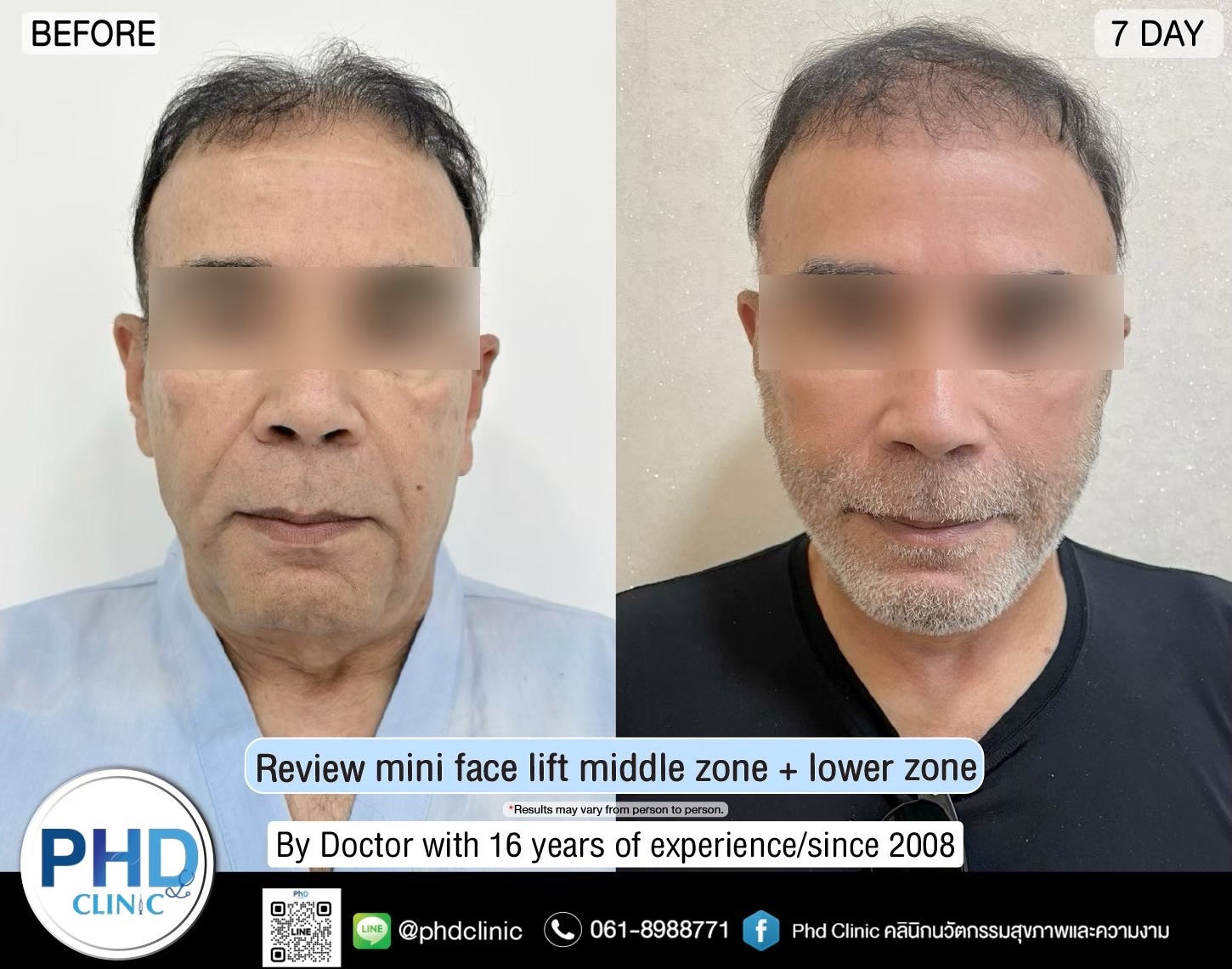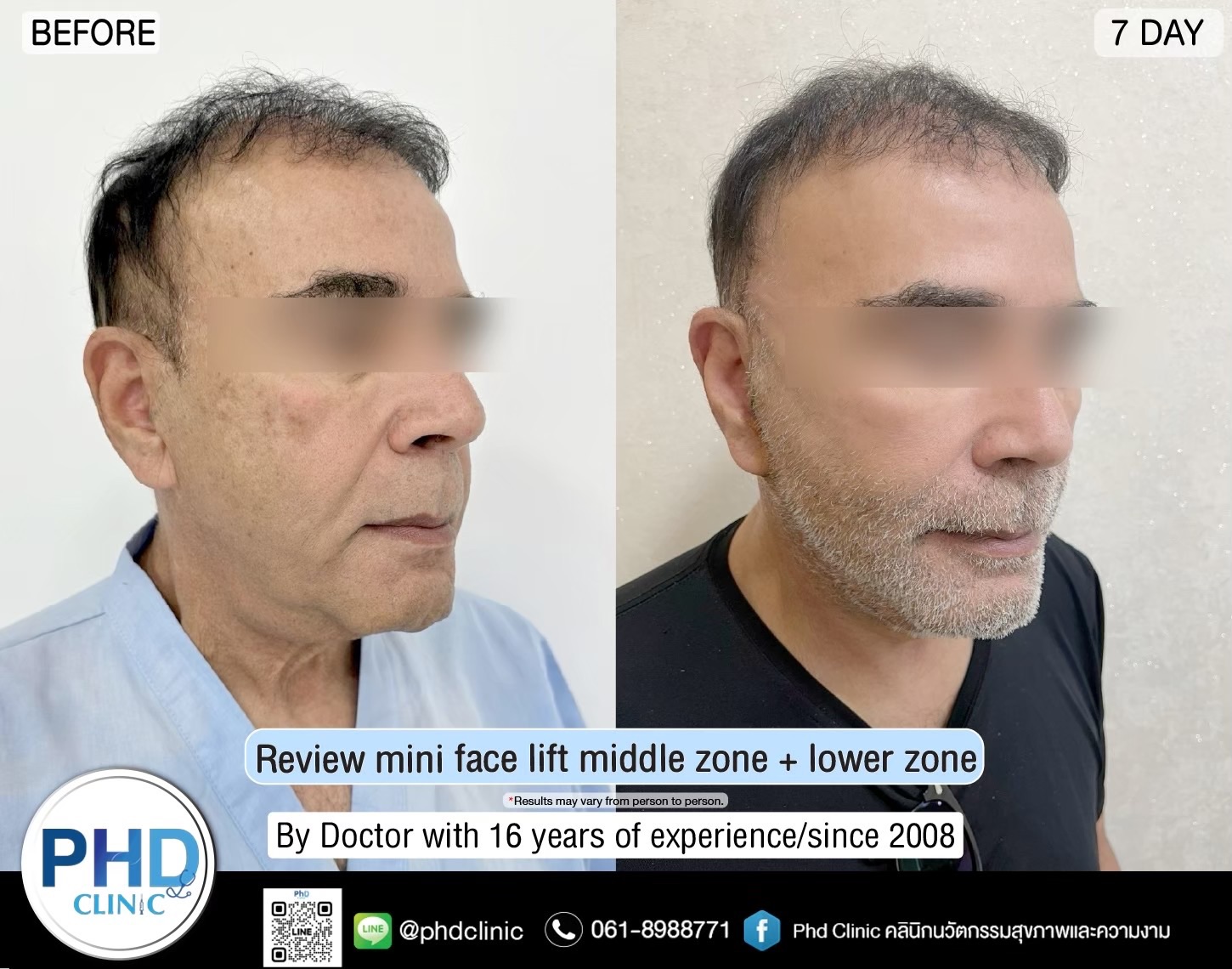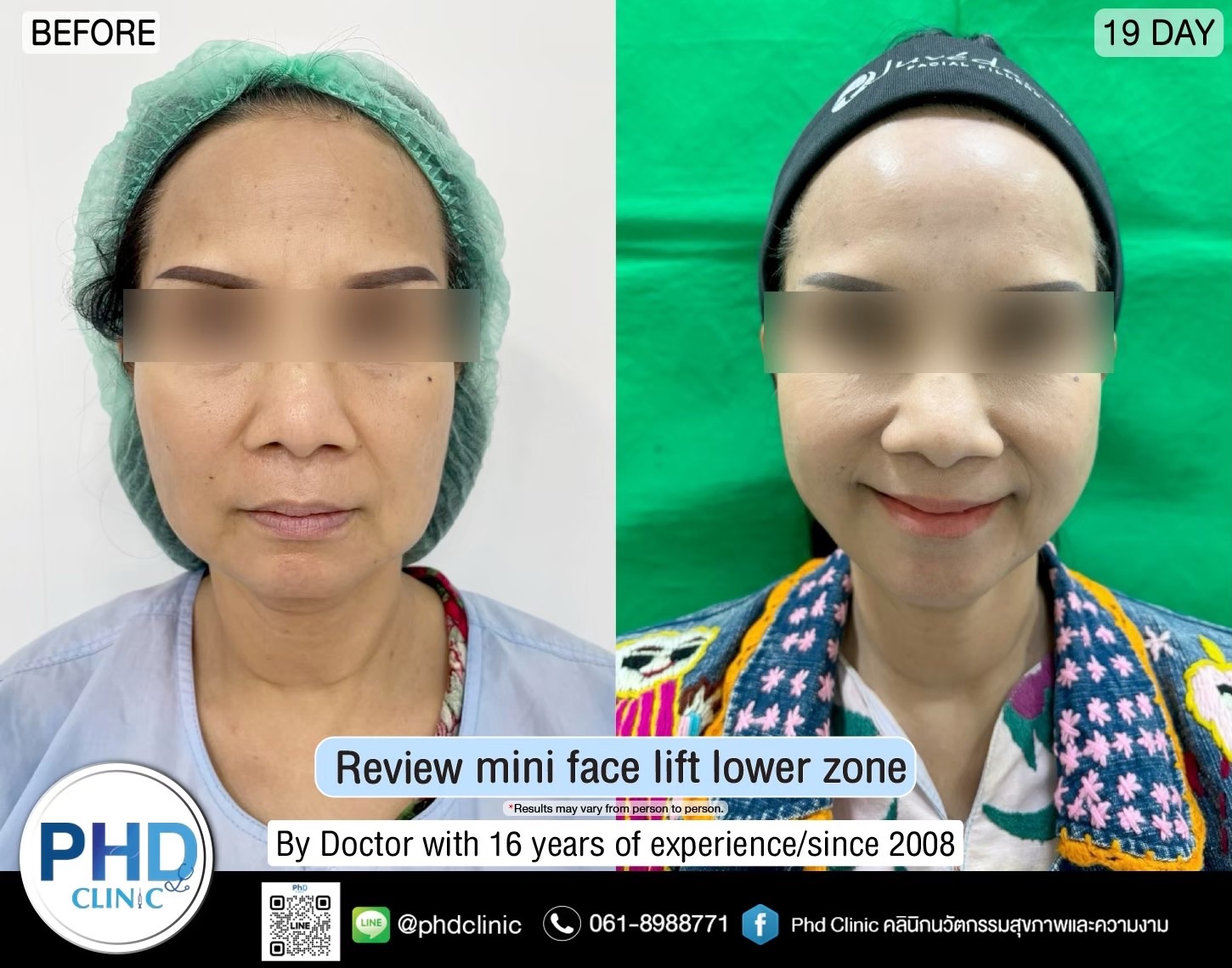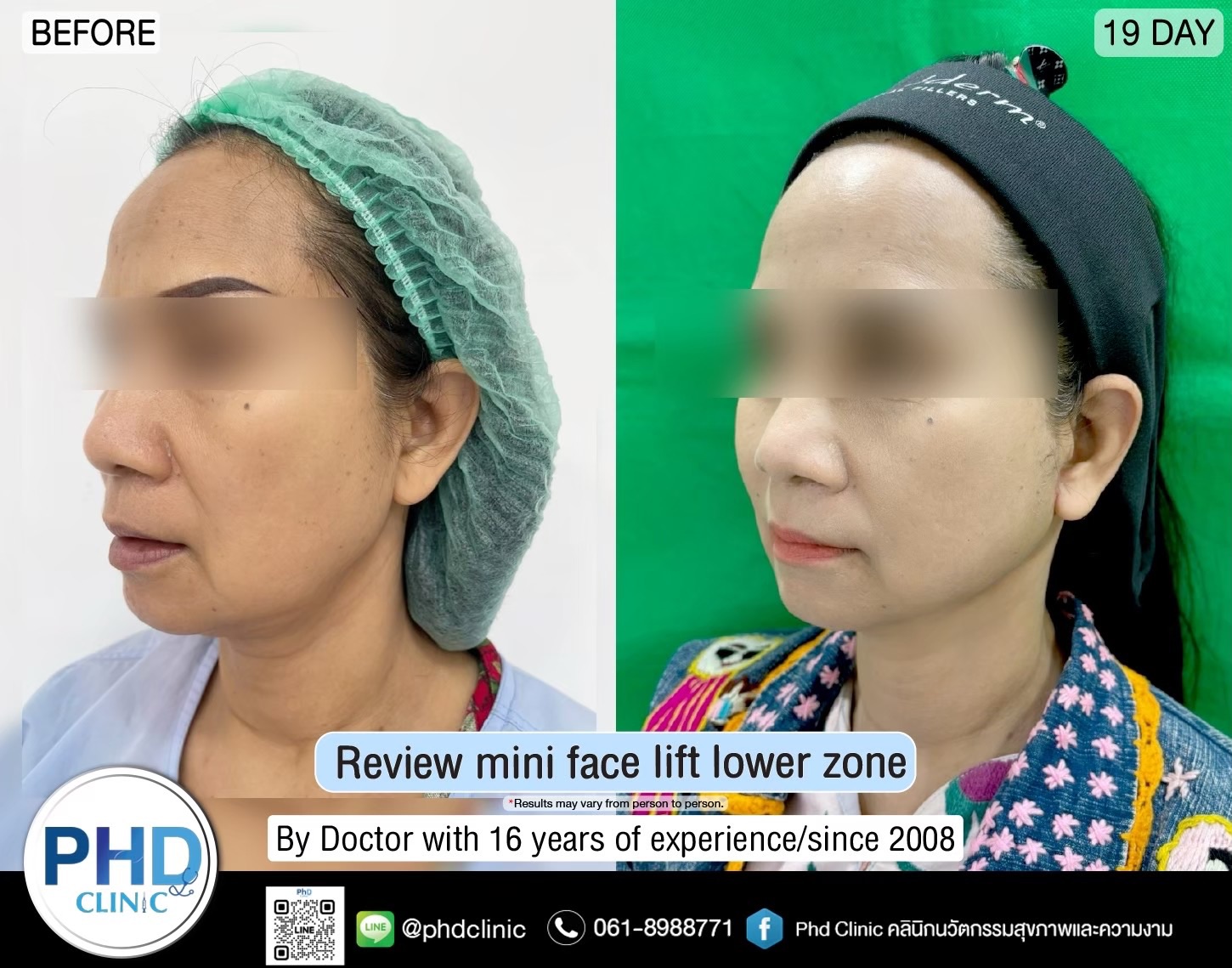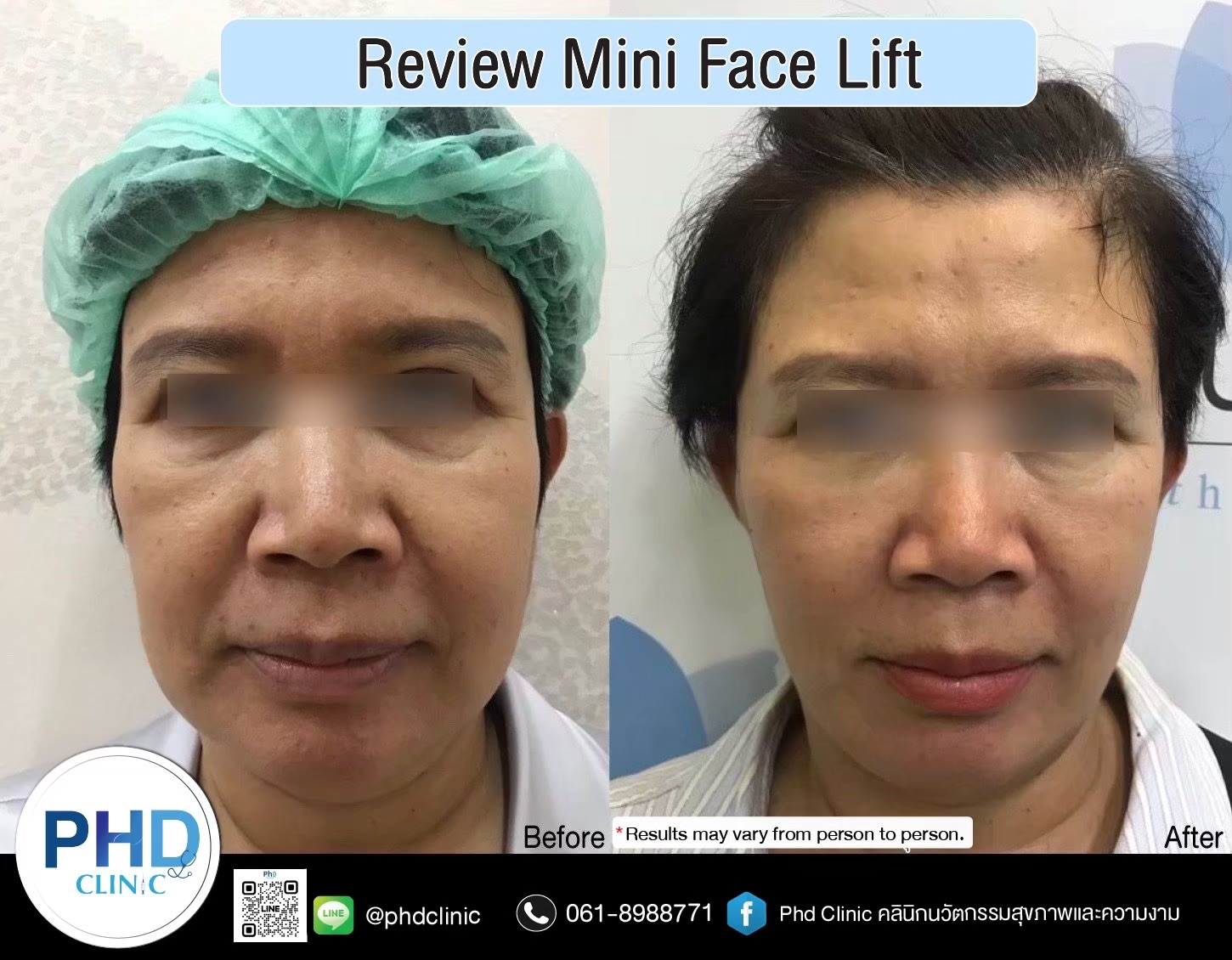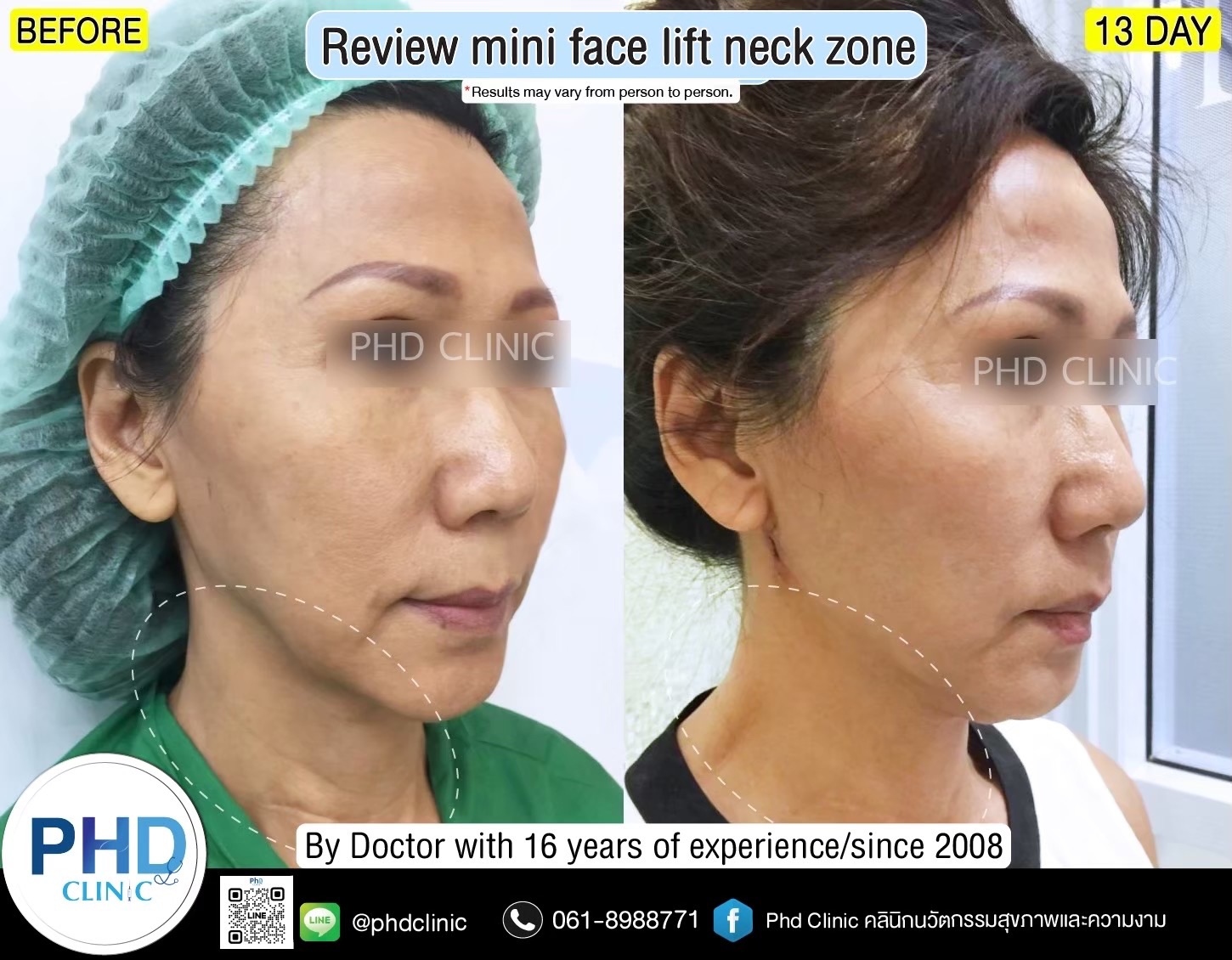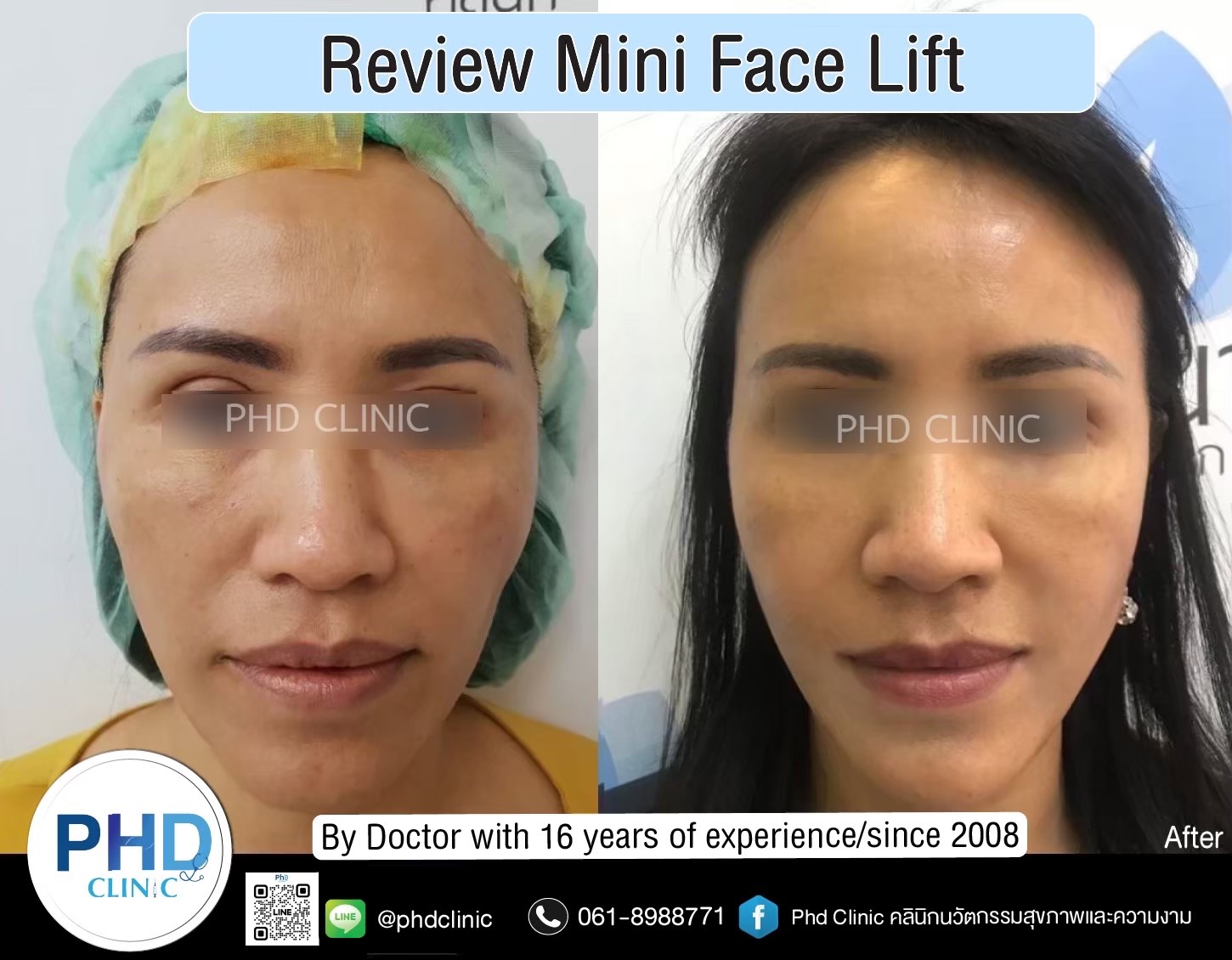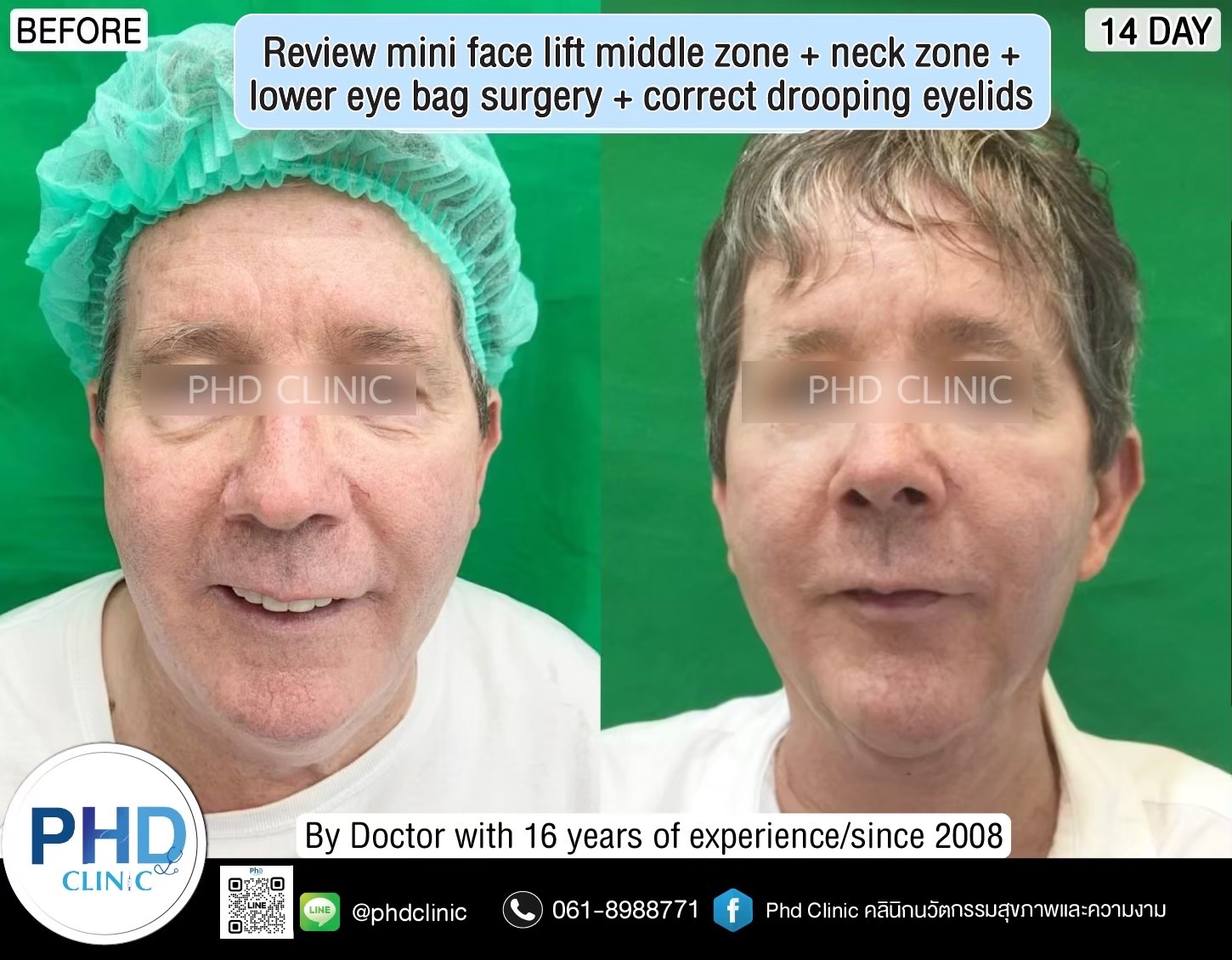

Where is the best facelift surgery in Phuket
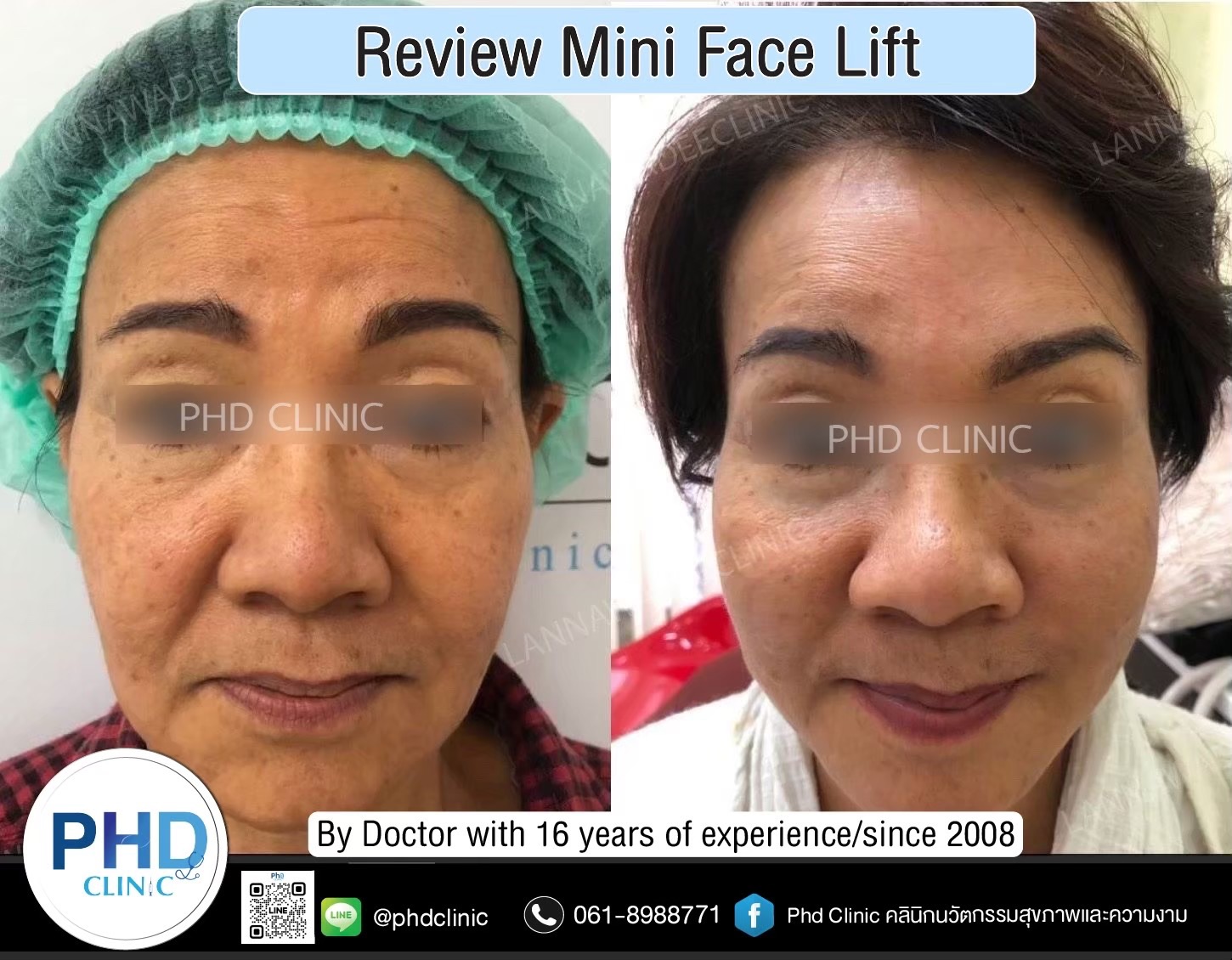
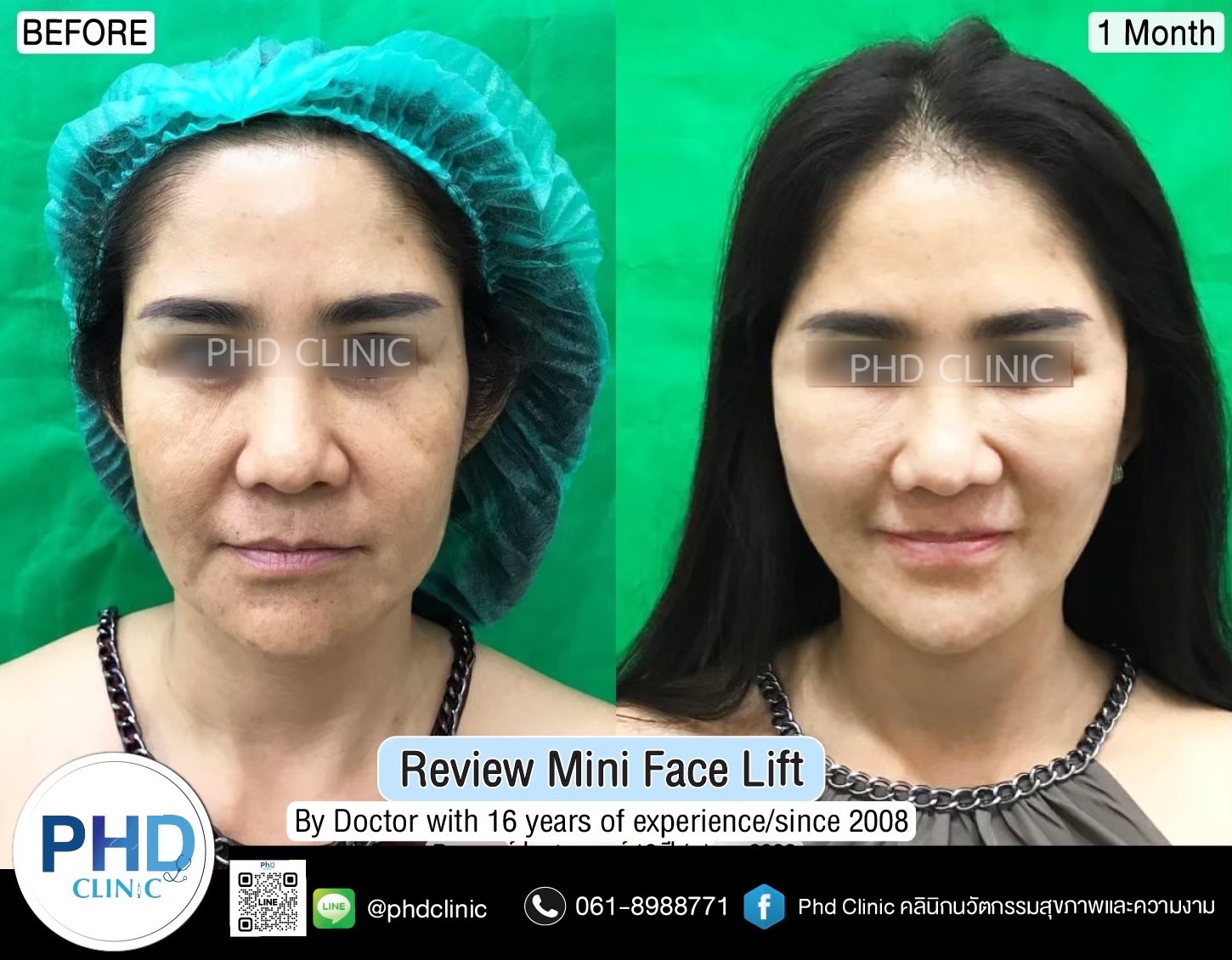
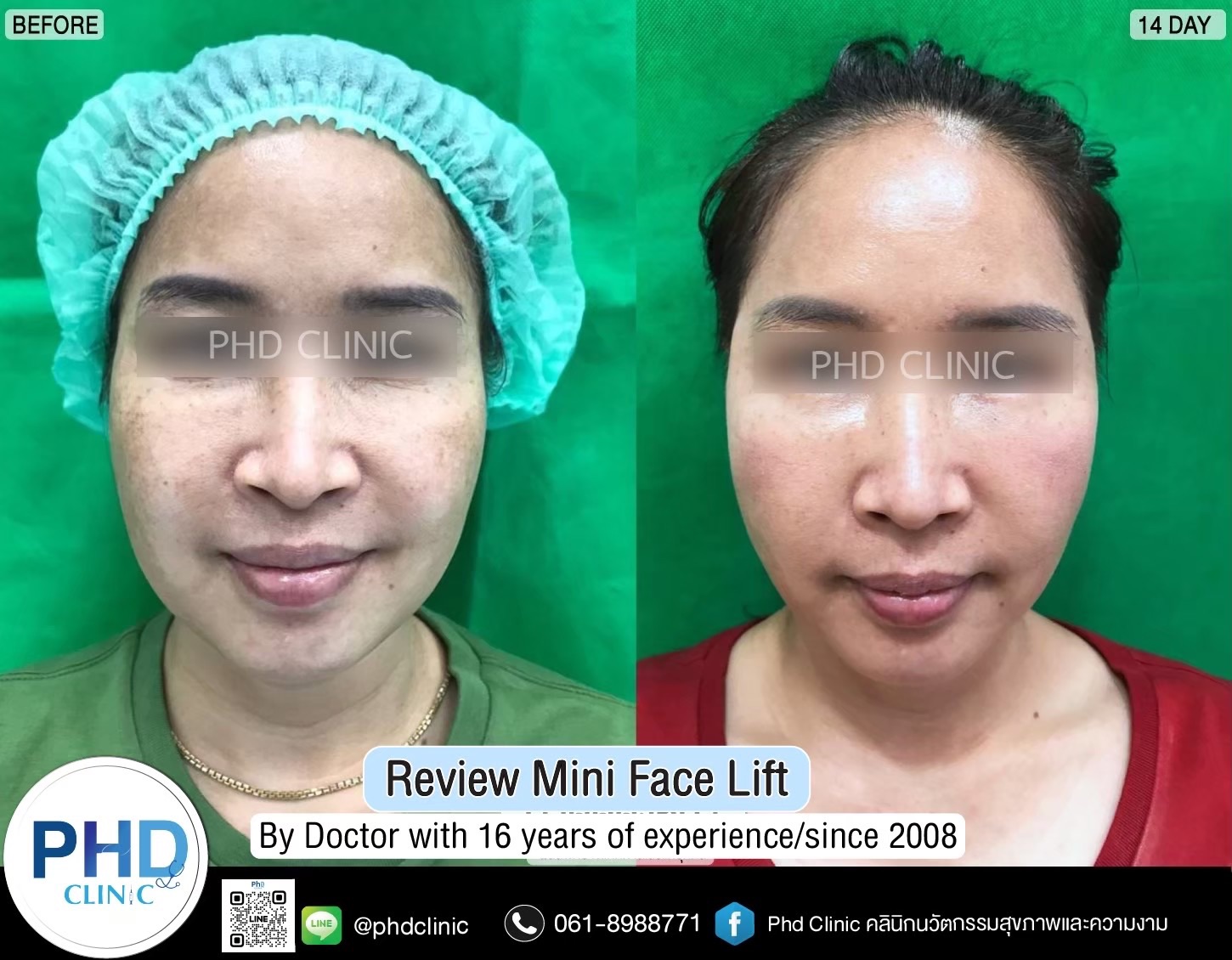
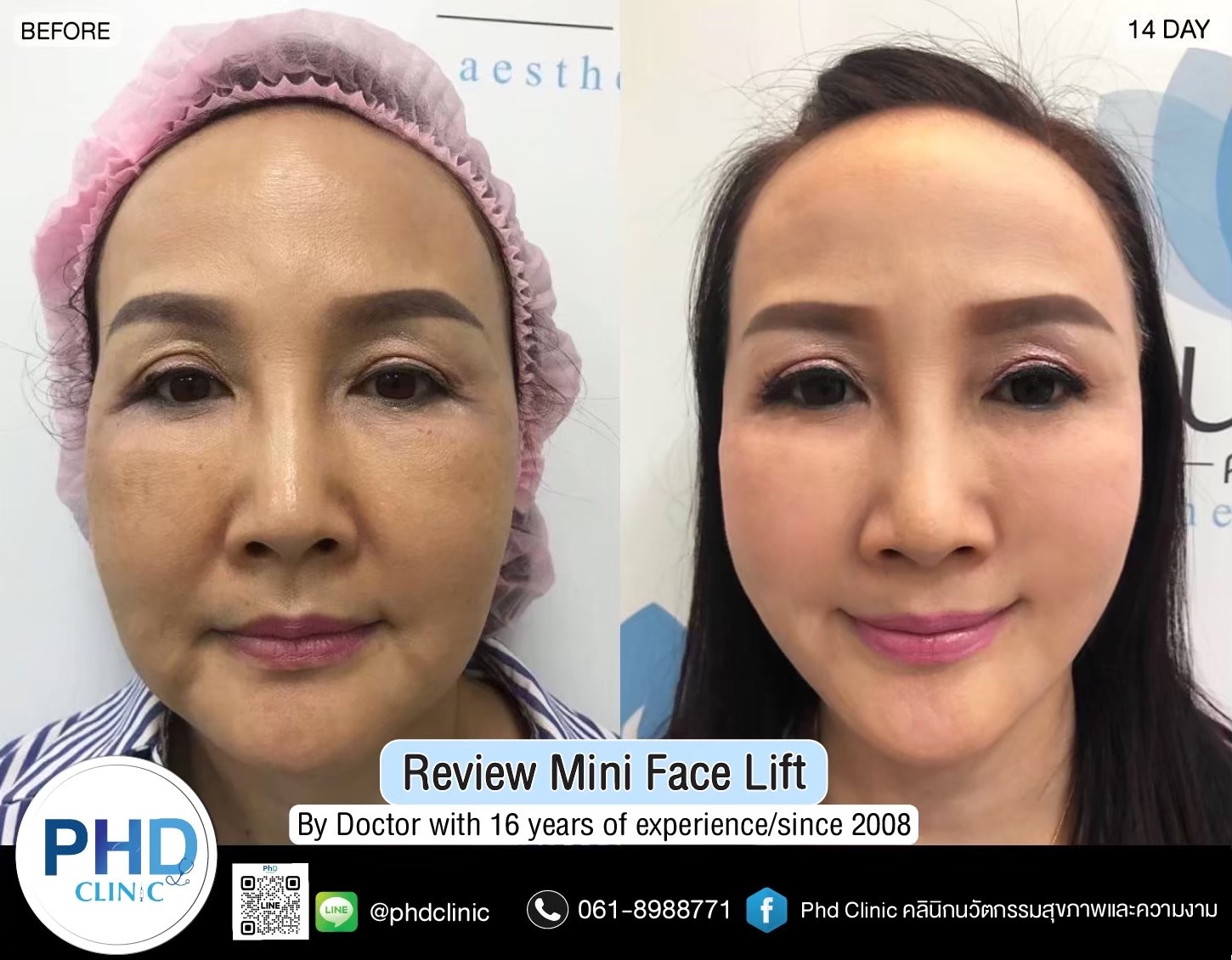
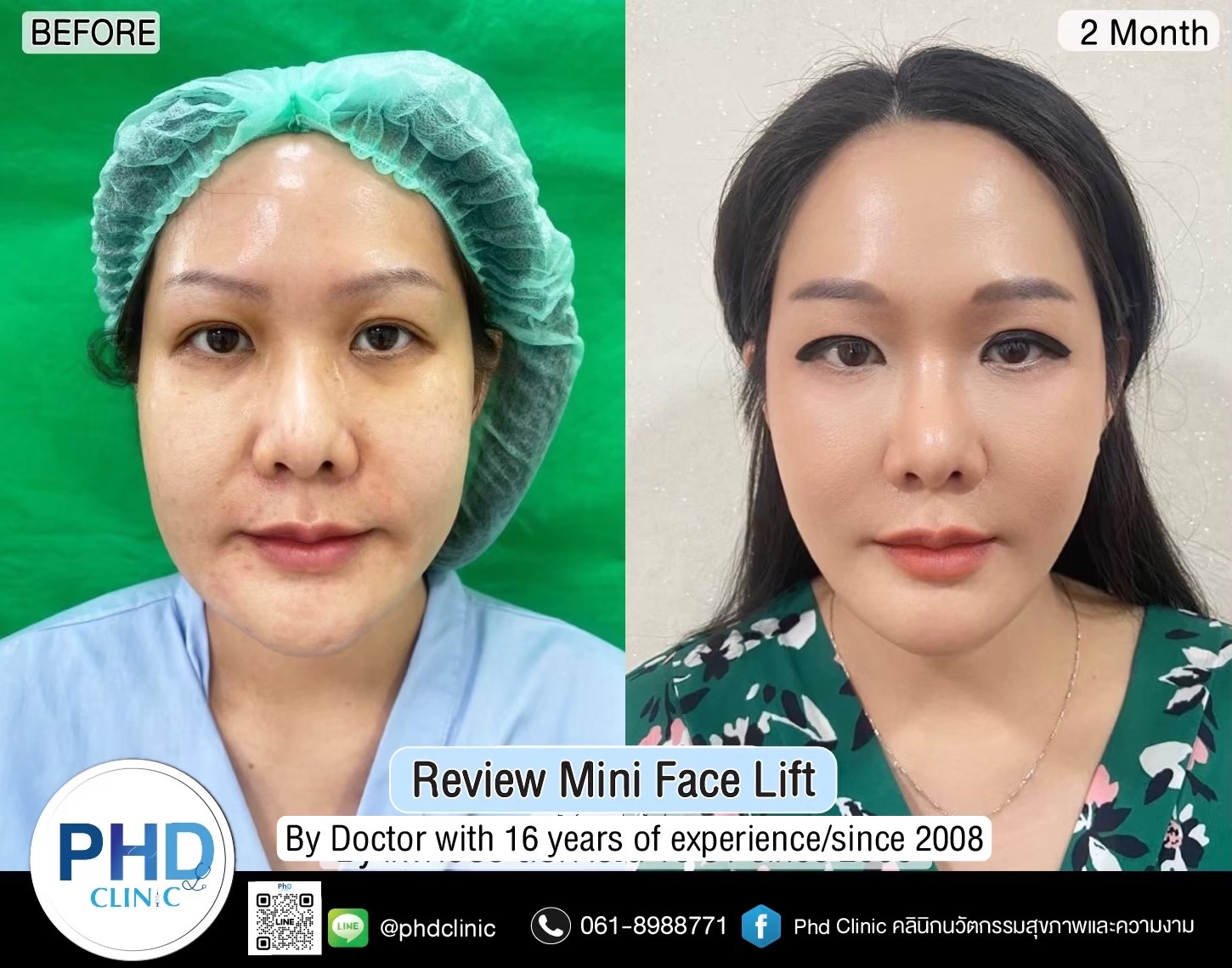
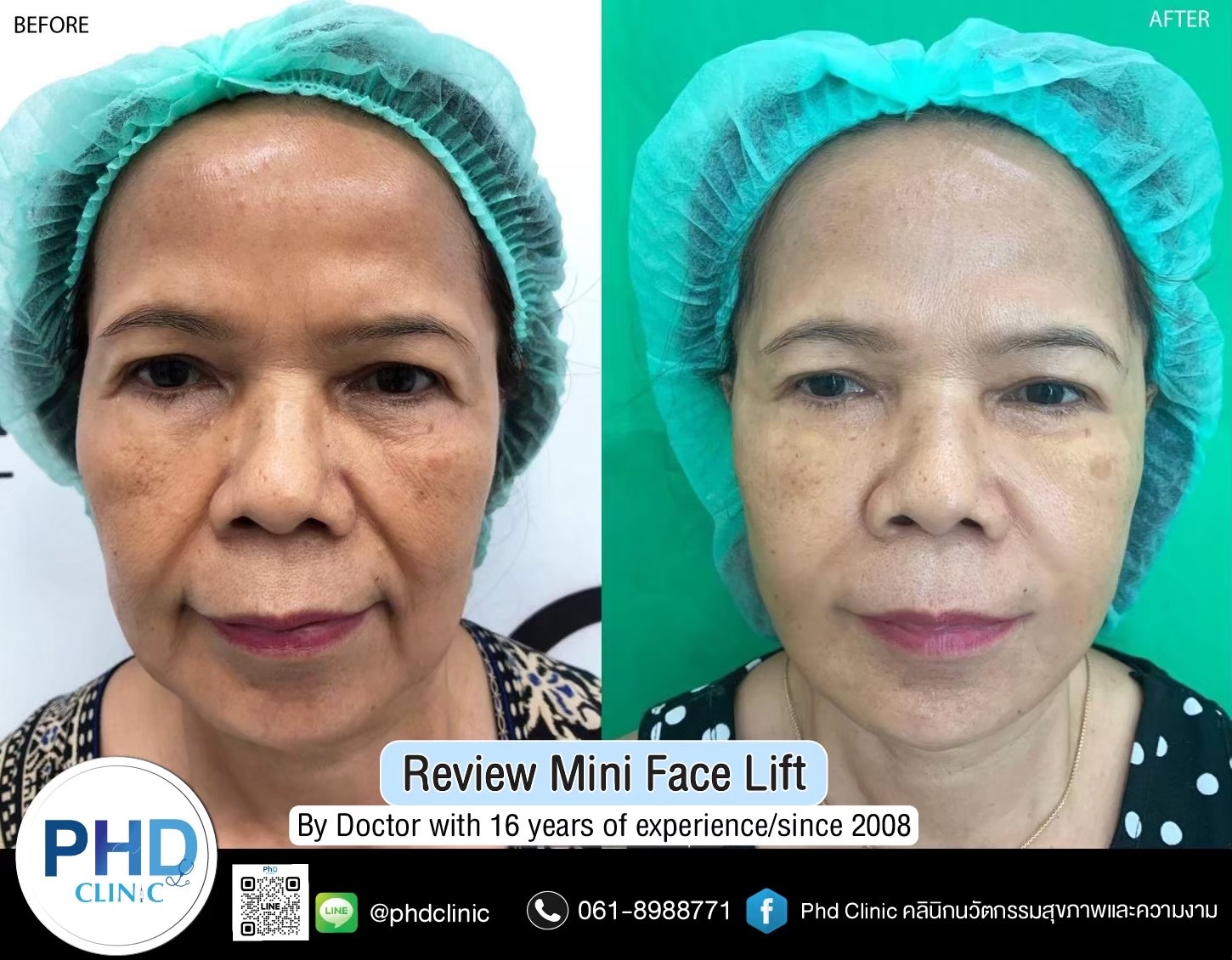
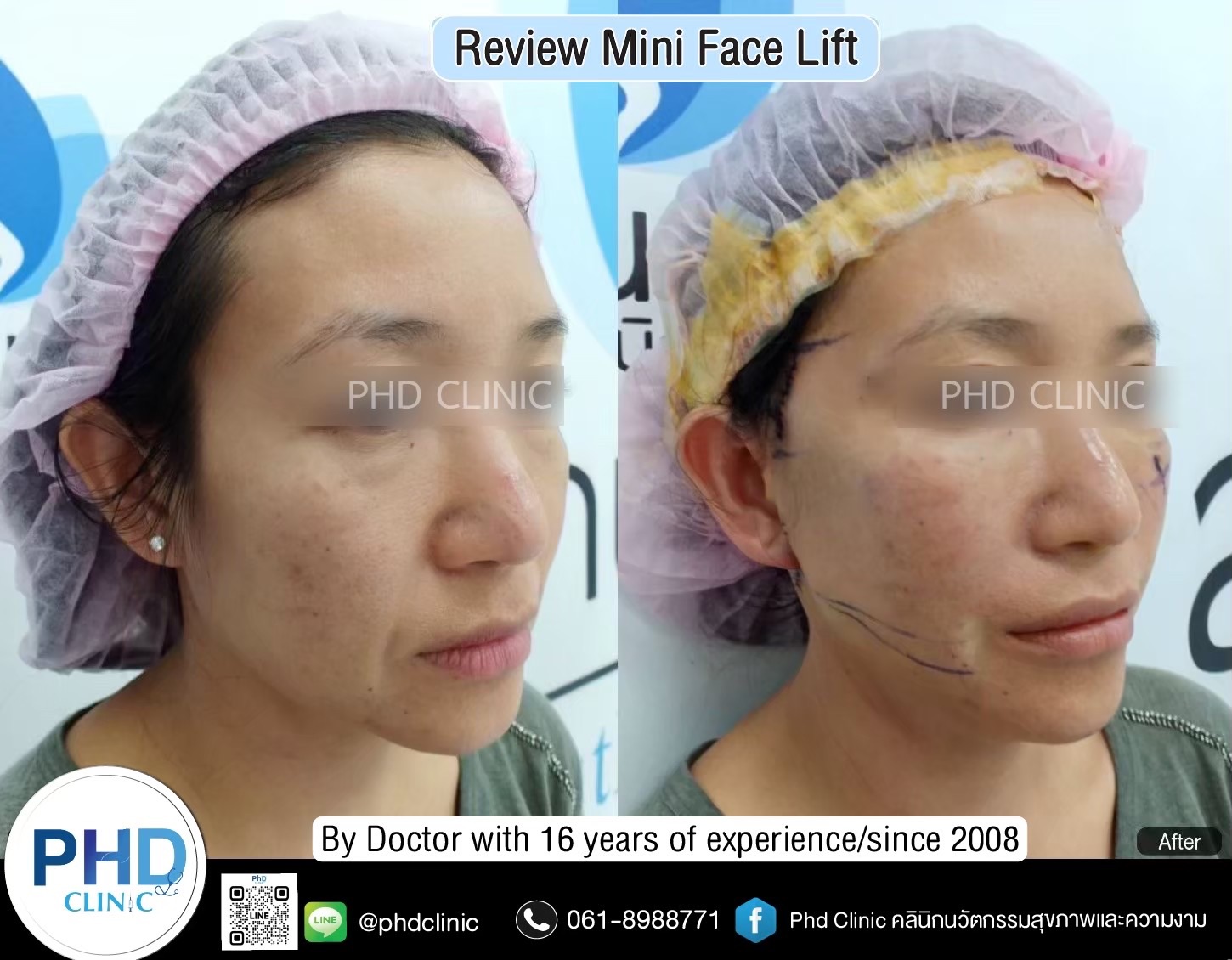
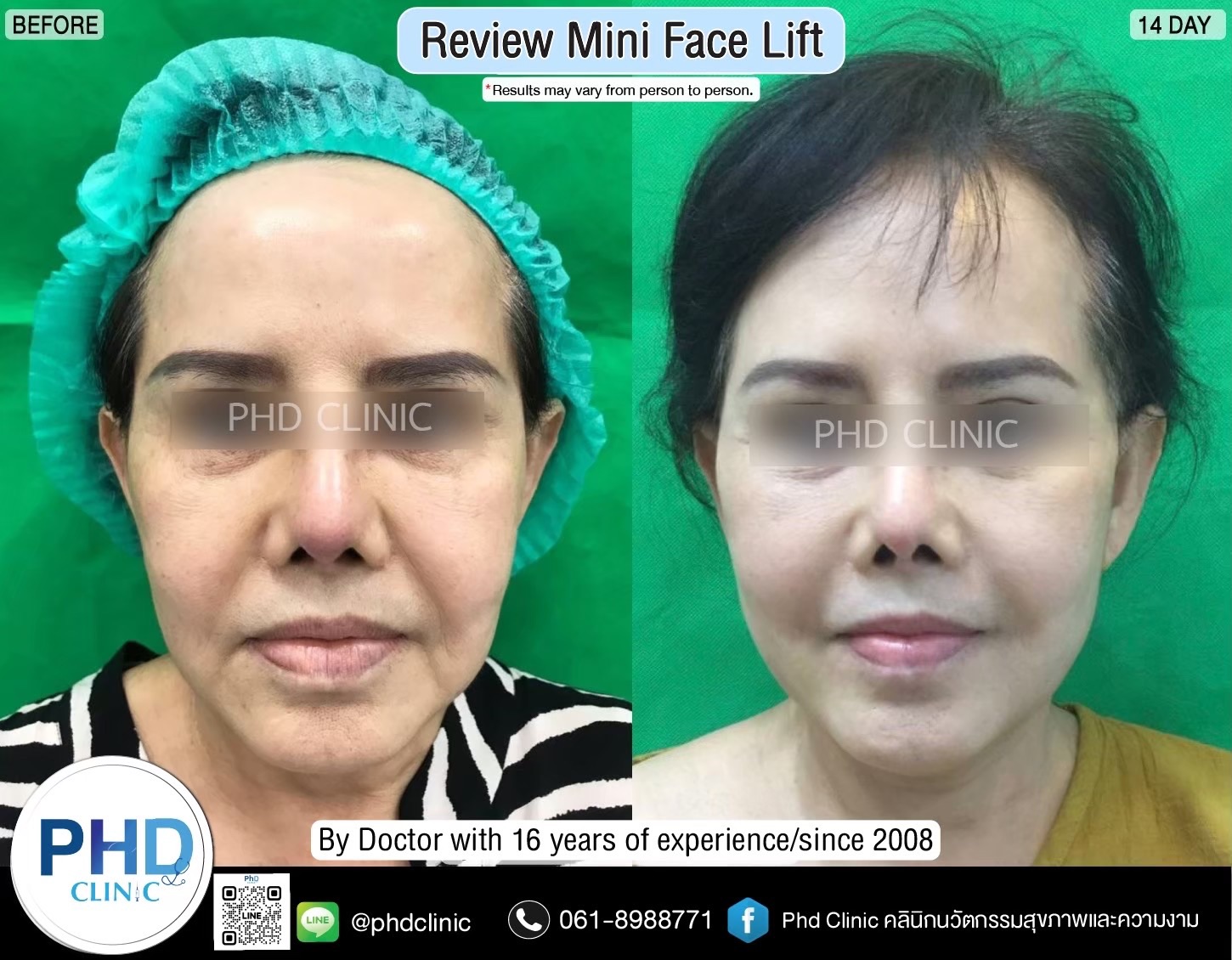
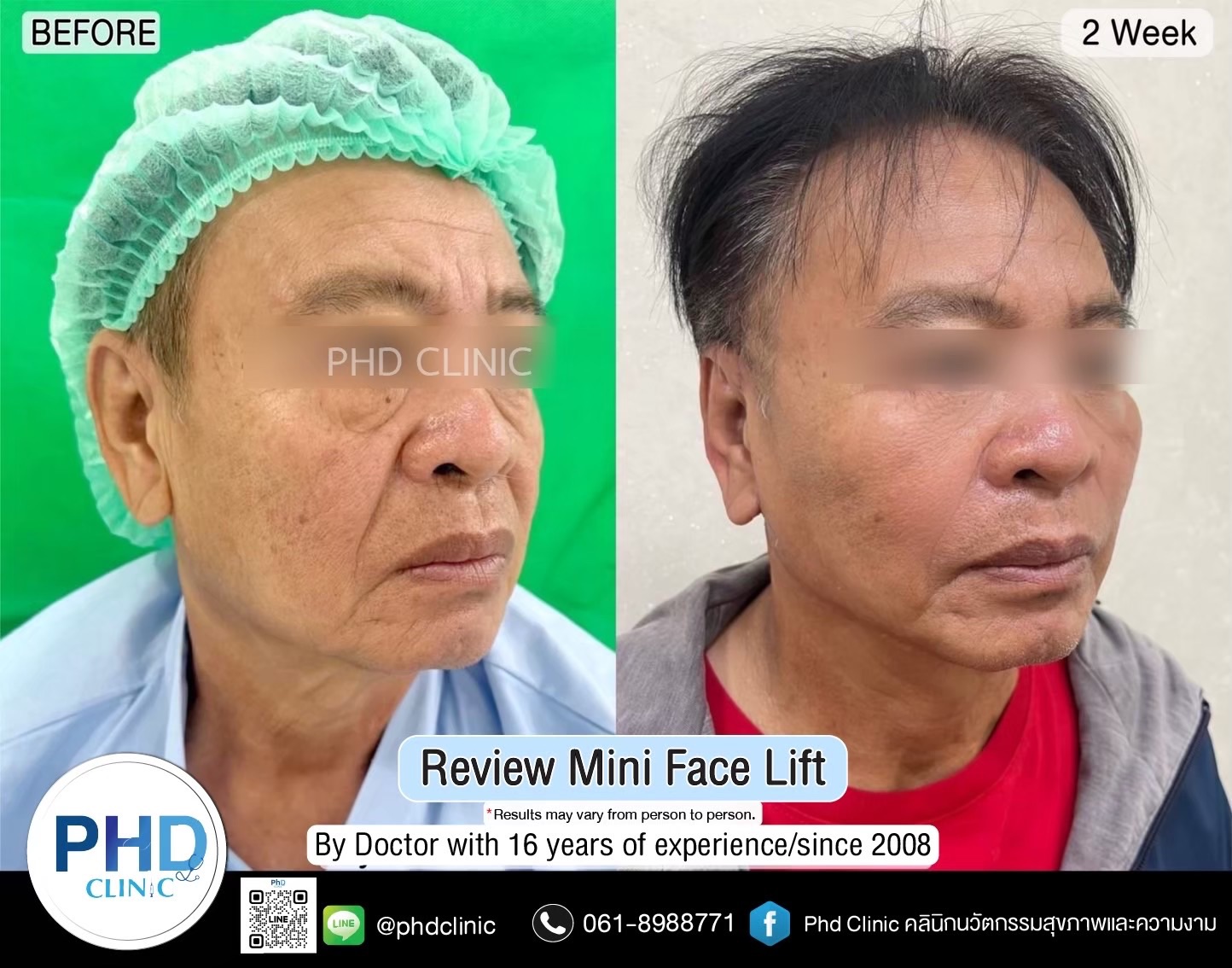
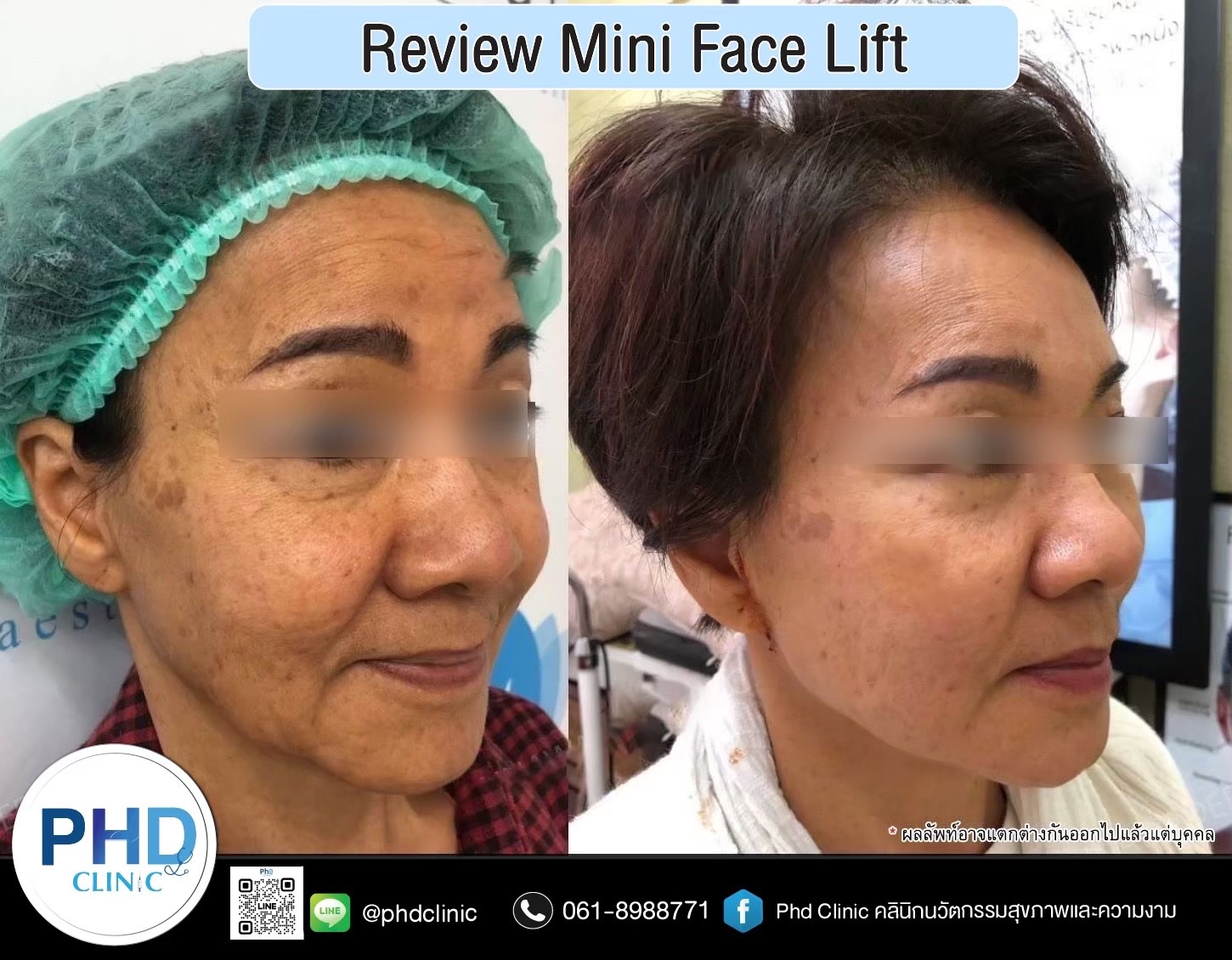
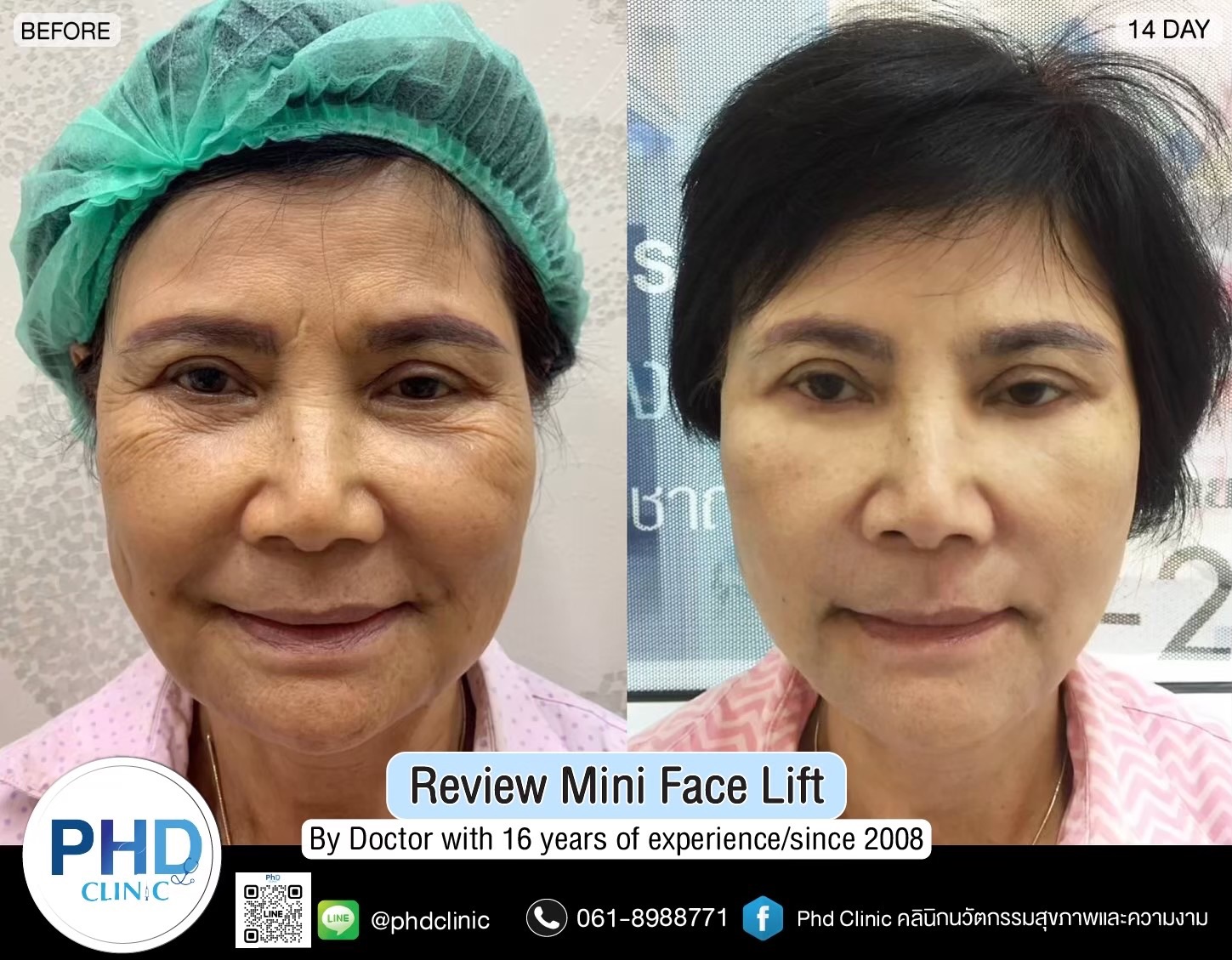
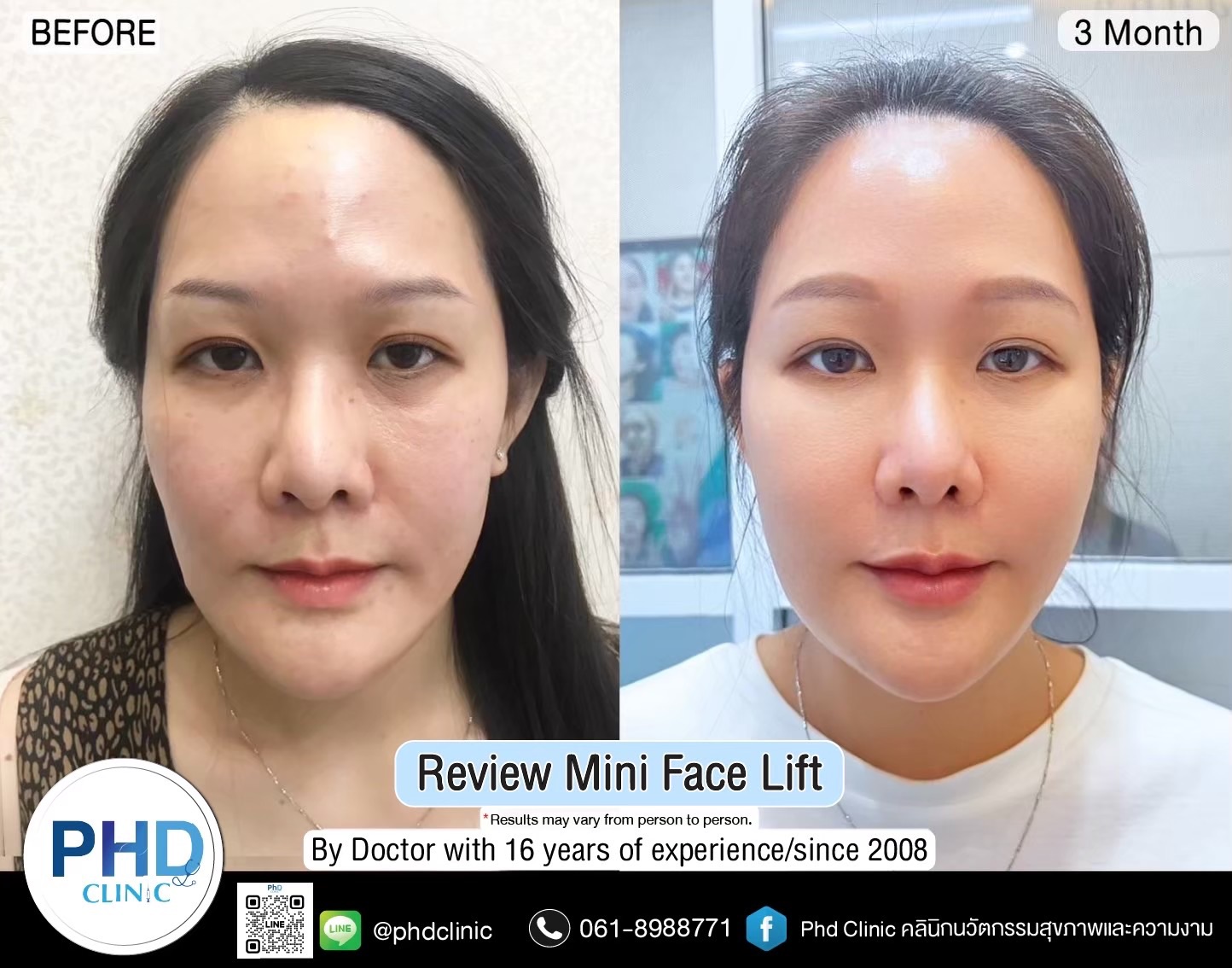
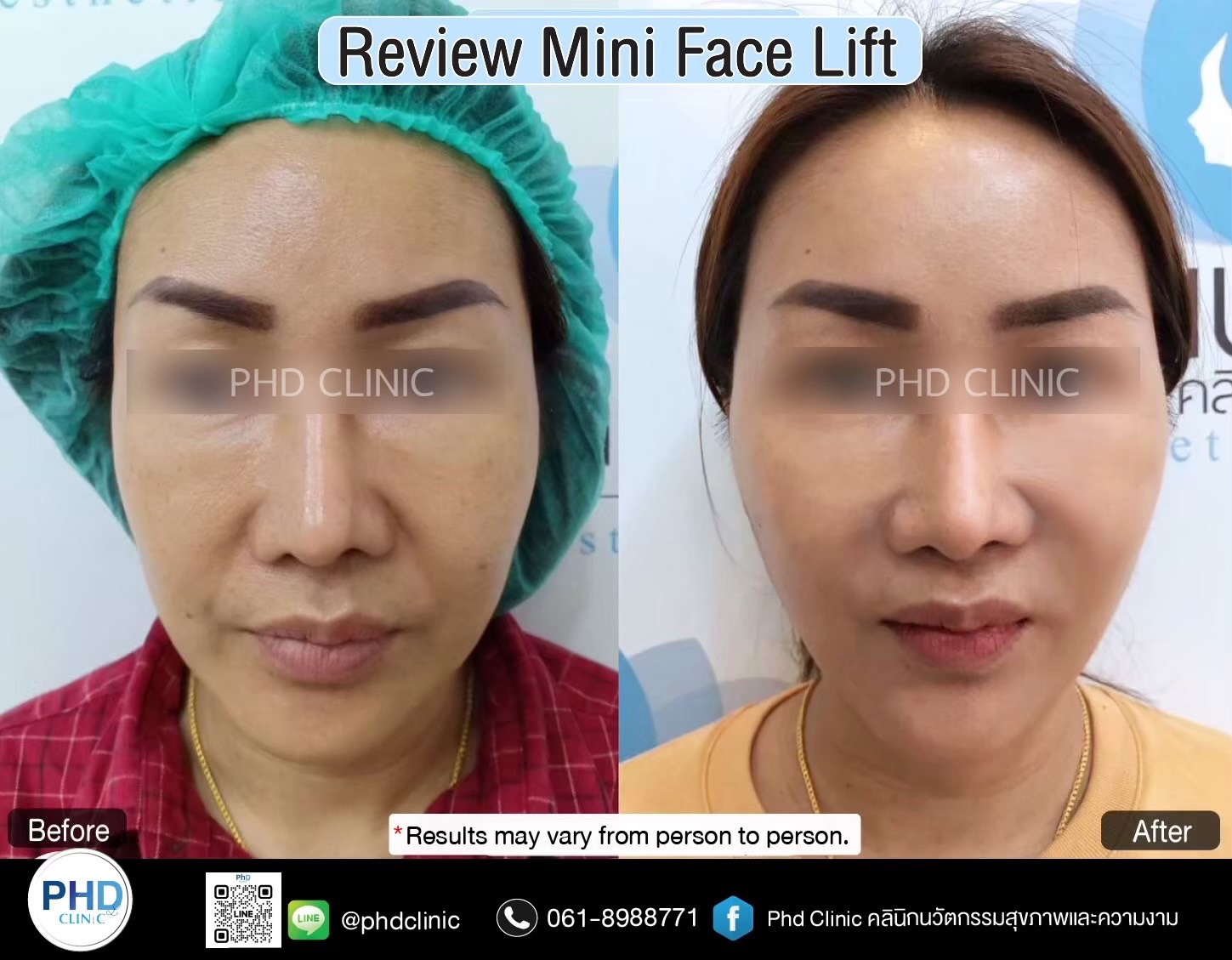
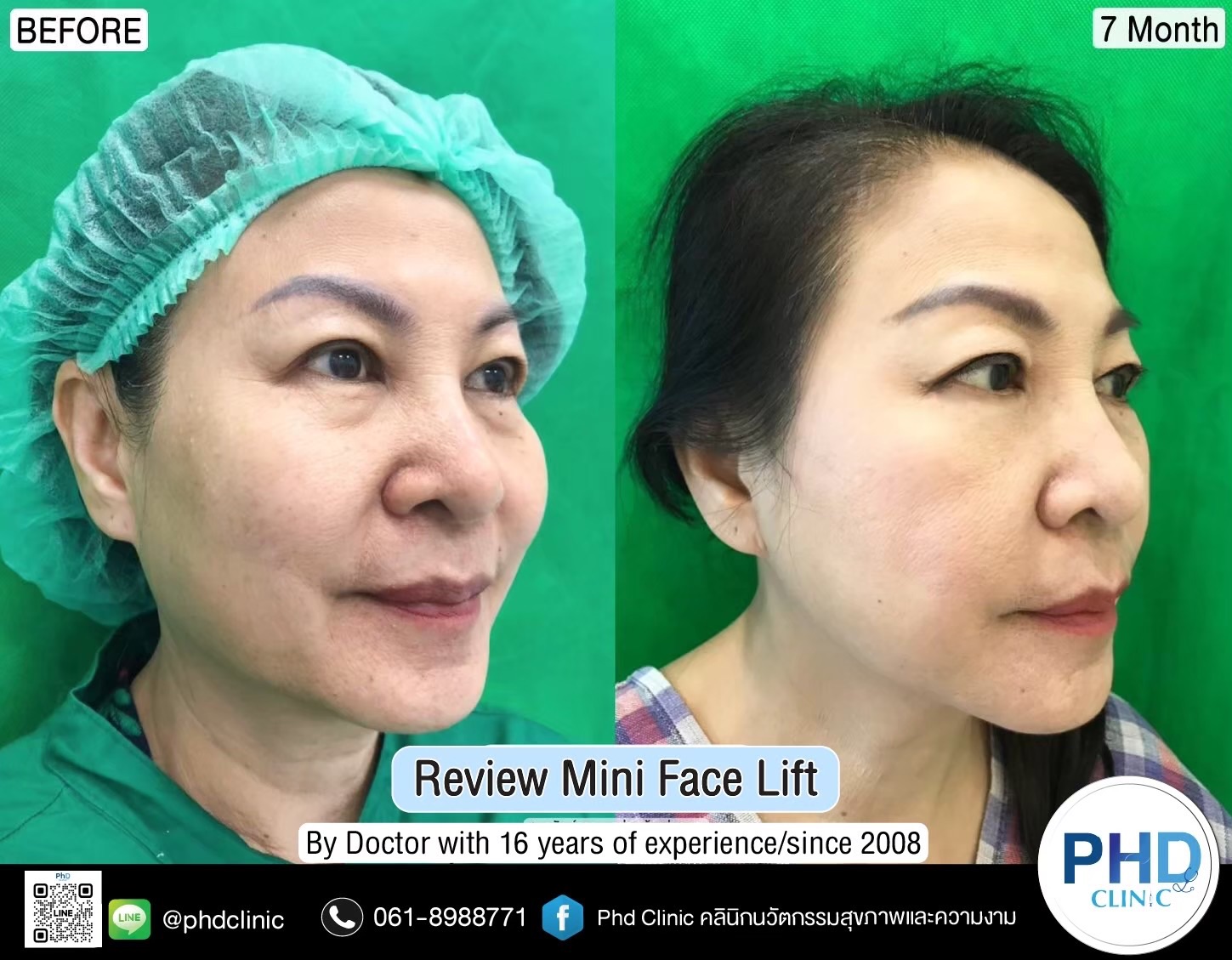
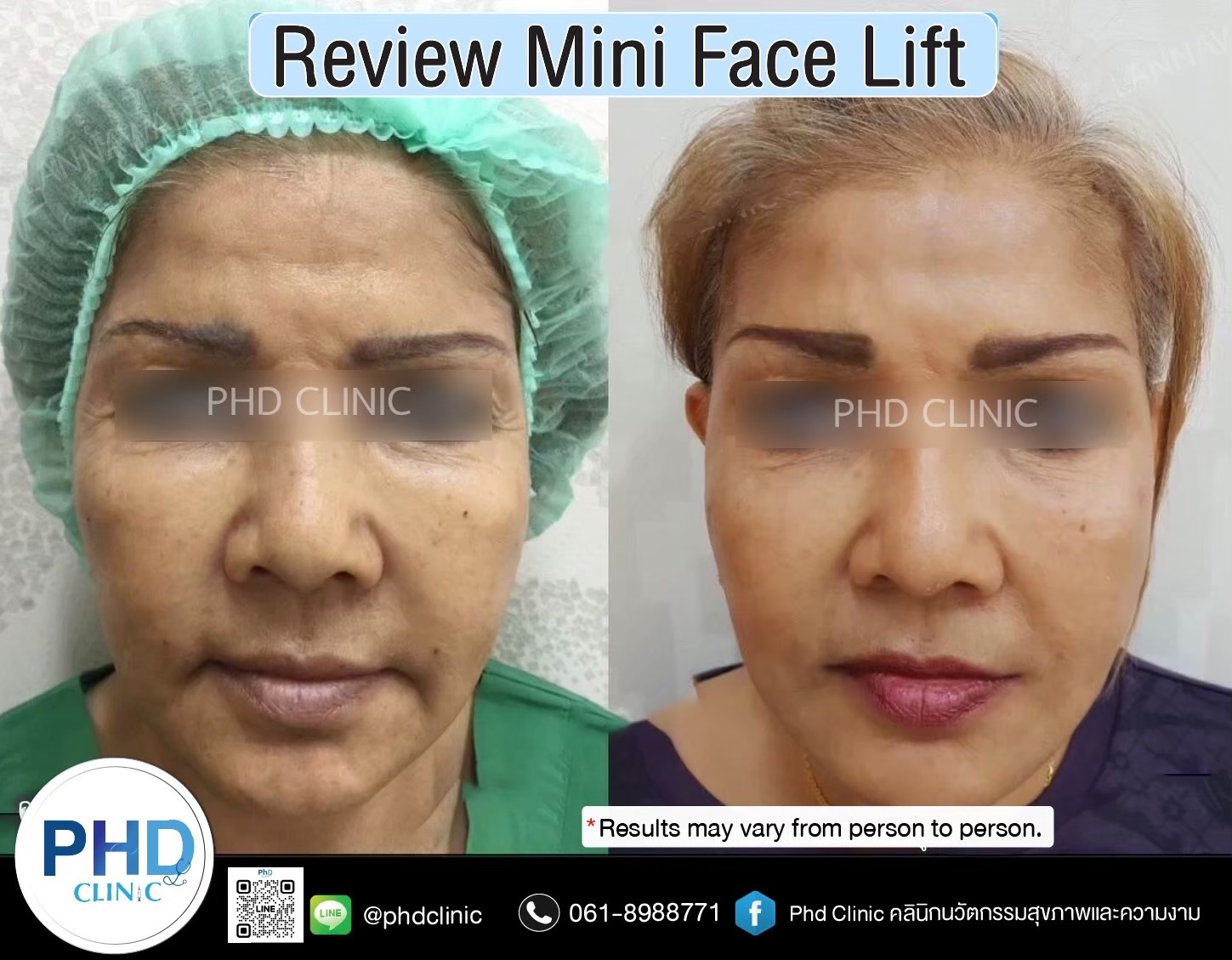
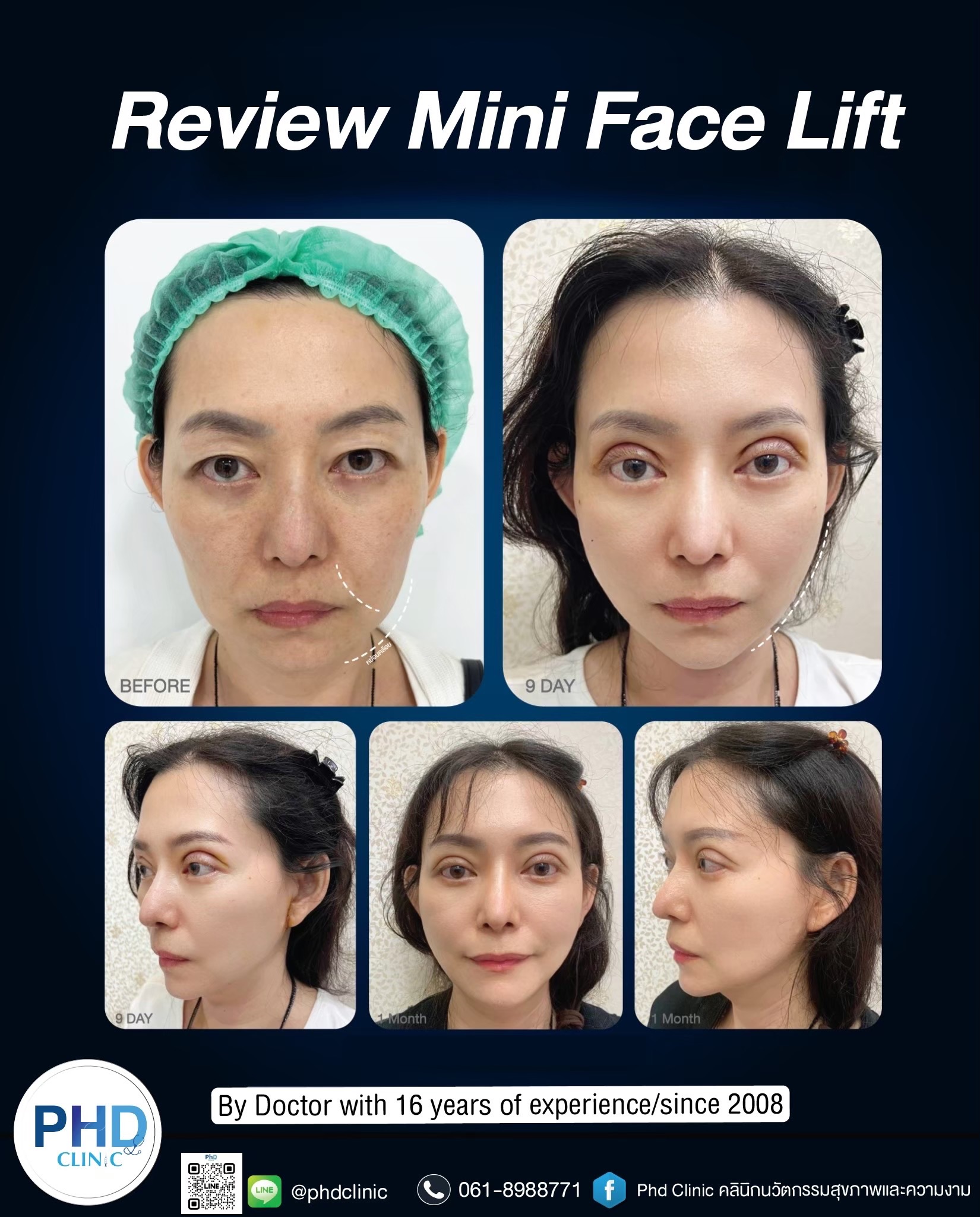
Where is the best facelift surgery in Phuket : Facelift surgery can help reduce facial sagging and wrinkles, restoring a youthful appearance. It tightens the face, giving it a younger look through minimally invasive facial lifting techniques.
What is a facelift?
A facelift is a surgical procedure that lifts and tightens the muscles and fat under the skin, restoring them to their proper positions, and removes excess skin to create a firmer and smoother face. Facelifts help restore a youthful, natural appearance by reducing wrinkles and facial sagging. Modern surgical techniques allow for natural-looking results, quick recovery, and long-lasting effects.
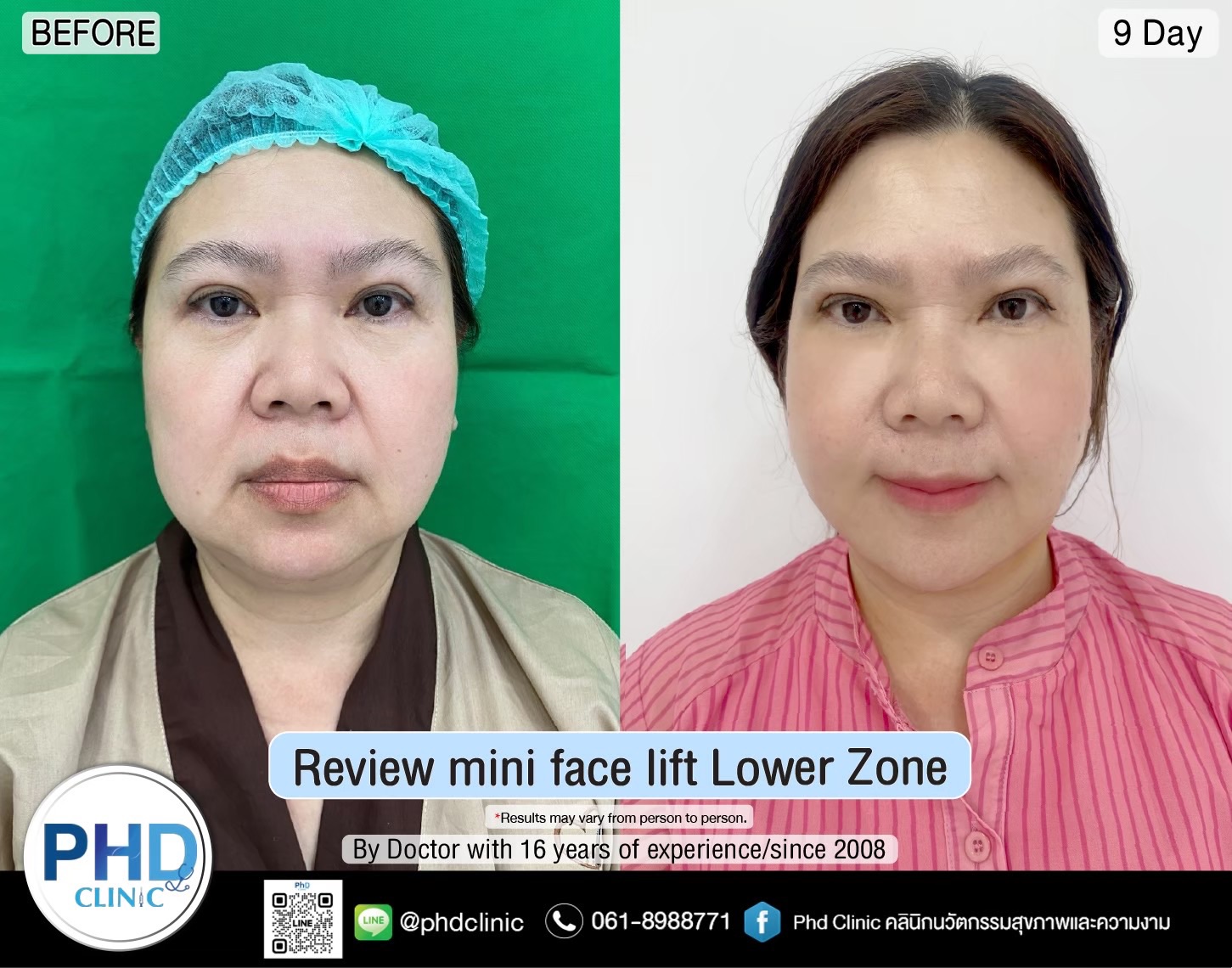
The main reasons why a facelift is the ultimate solution for aging skin are as follows:
1. Structural changes with age (The Aging Process)
As we age, the skin structure doesn’t just sag in the outer layer of the skin, but changes occur deep down to the internal structural levels of fascia and fat.
2. Addressing the Problem at the SMAS (Superficial Muscular Aponeurotic System) Layer
The core of modern facelift surgery isn’t just about tightening the skin. Simply tightening the outer skin layer will make the face look flat, unnatural, and prone to sagging again in a short time. The surgeon will separate the skin layers to access and address the SMAS layer (the fascia layer covering tissues and muscles). This is done by suturing or trimming the SMAS layer to lift and tighten it against gravity. Then, the outer skin layer is pulled taut and excess skin is removed. This method results in a more natural look, enhances facial contours, and provides longer-lasting results.
3. Limitations of Non-Surgical Procedures
Although technologies like skin tightening devices (e.g., Ulthera, Thermage) or thread lifting can effectively stimulate collagen and tighten the skin in individuals with mild to moderate problems, for those with severe skin sagging, double chin, or excess skin, these procedures cannot reduce or remove the excess skin. Therefore, a facelift is the only method that can completely remove that MEDA
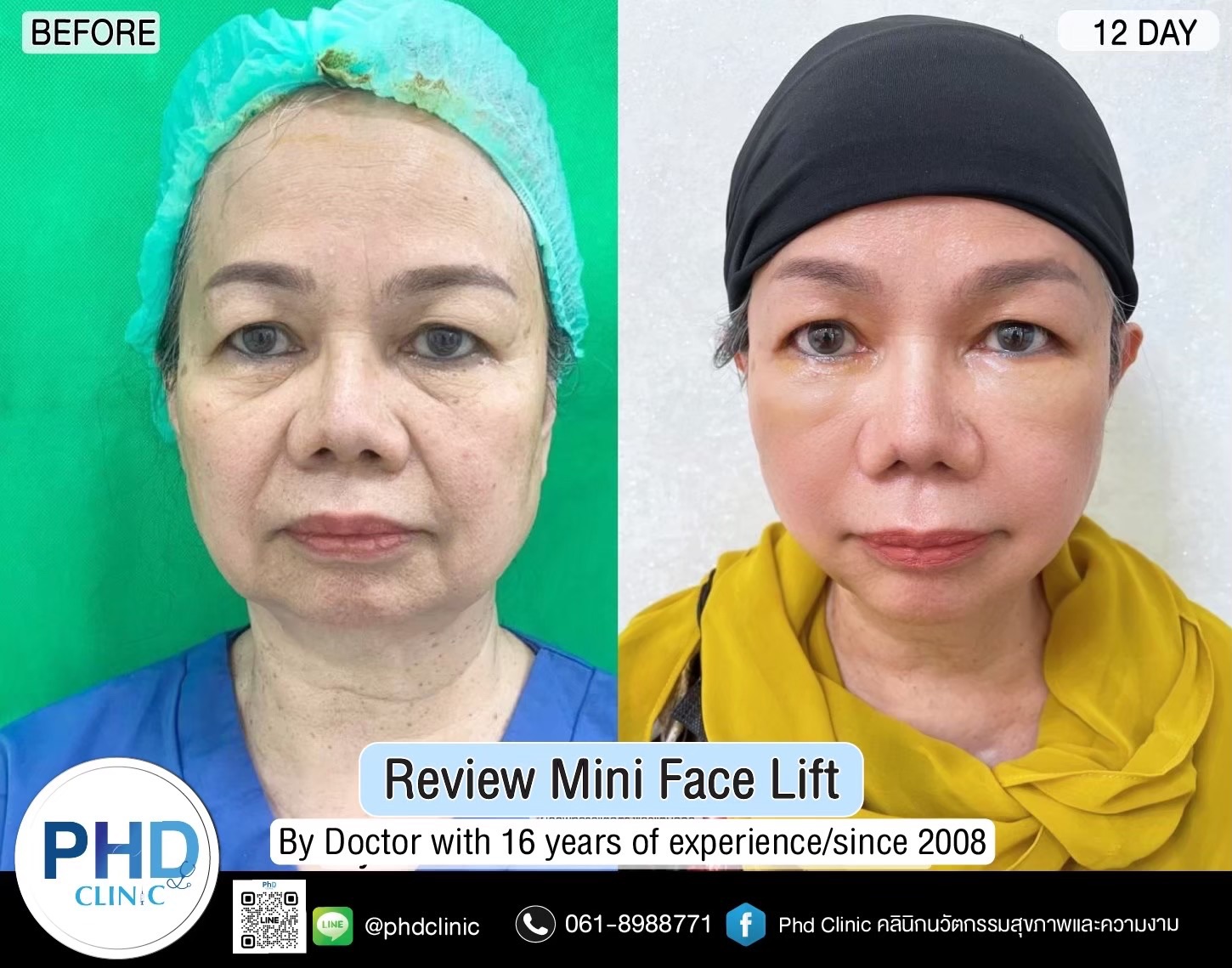
Advantages of a Facelift:
Significantly Rejuvenates: Can reduce the average age of the face by approximately 5-10 years.
Long-lasting Results: The rearrangement of the SMAS layer helps the face maintain a youthful appearance for 5-10 years or more (depending on self-care and individual skin condition).
Comprehensive Correction: Can tighten the jawline, address puffy cheeks, and reduce sagging
What areas can be treated with a facelift?
1. Forehead lift
2. Eyebrow lifting
3. Pull the mid-face.
4. Cheekbone lifting
5. Lower face lift.
6. Correcting a double chin.
7. Pulling the neck both to the sides and in the center.
Furthermore, it can be combined with other types of surgery, such as eyelid surgery, eyelid bag removal, cheekbone augmentation, rhinoplasty, chin augmentation, liposuction, and facial fat grafting, etc.
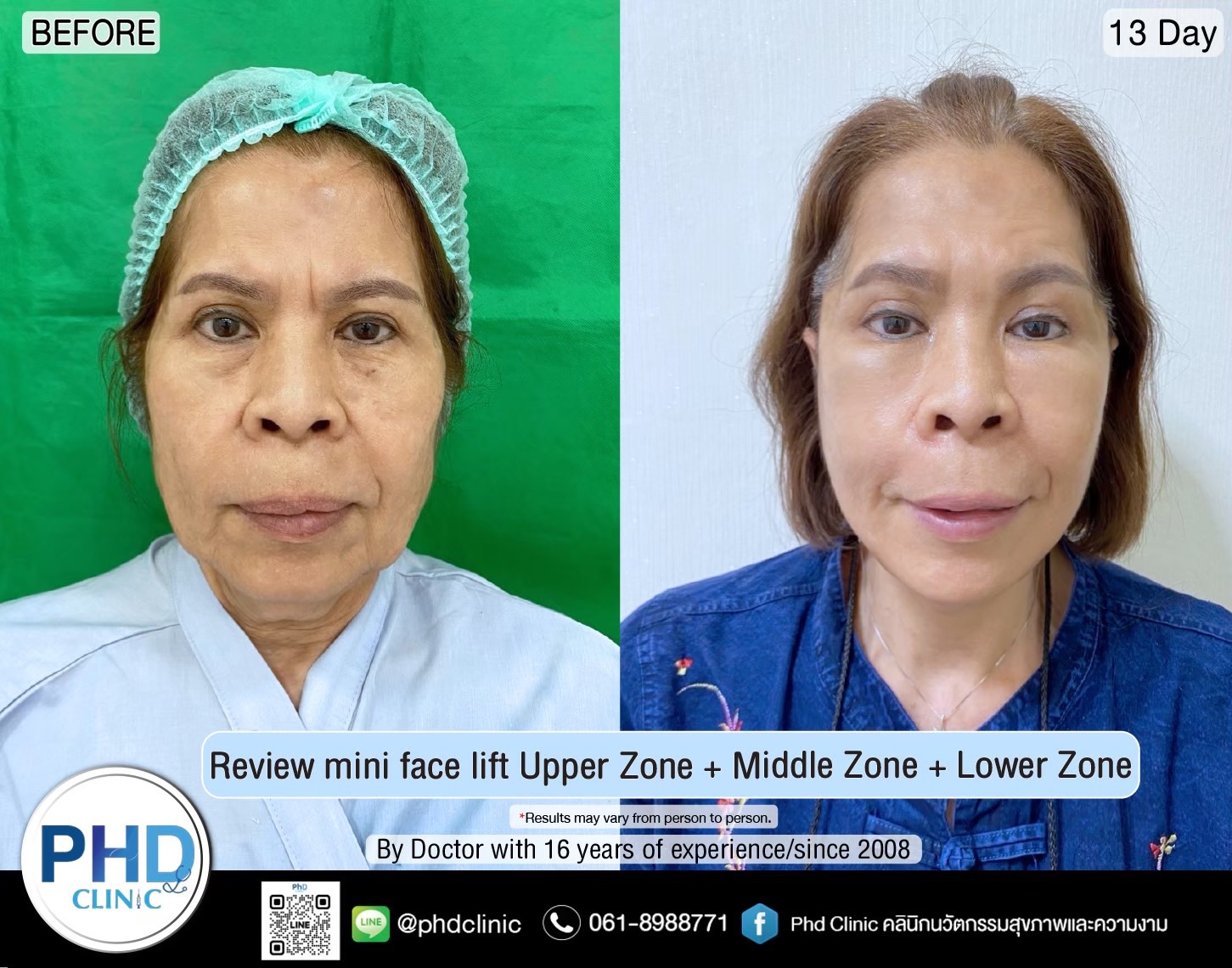
Possible side effects.
Possible side effects include dizziness, nausea, and vomiting, usually resulting from the use of sedatives or anesthesia. In the first day or two, there may be areas of blood pooling under the skin, which usually improve on its own; in some cases, this may need to be suctioned out. Some facial muscles may not function normally, such as unevenness when smiling or raising eyebrows; this usually improves as the nerves and muscles heal, approximately 1-2 months after surgery. Additionally, there may be a permanent or raised scar behind the ear, which can be treated with topical medications or local injections. Hair loss may occur in the surgical area, but it usually regrows within 2-3 months after surgery.
Preparation before facelift surgery.
1. Consult with a doctor to discuss, understand, and plan the surgery.
2. Undergo a health check to assess the patient’s physical readiness.
3. Stop taking aspirin before surgery to prevent difficulty in clotting blood. Quit smoking two weeks before surgery and one to two weeks after, as smoking impairs blood flow to the skin, slowing wound healing.
Phd clinic has a team of doctors with over 16 years of experience in plastic surgery, including facelifts, chin lifts, double chin reduction, and eyebrow lifts, guaranteeing safety. They are also supported by a professional team.
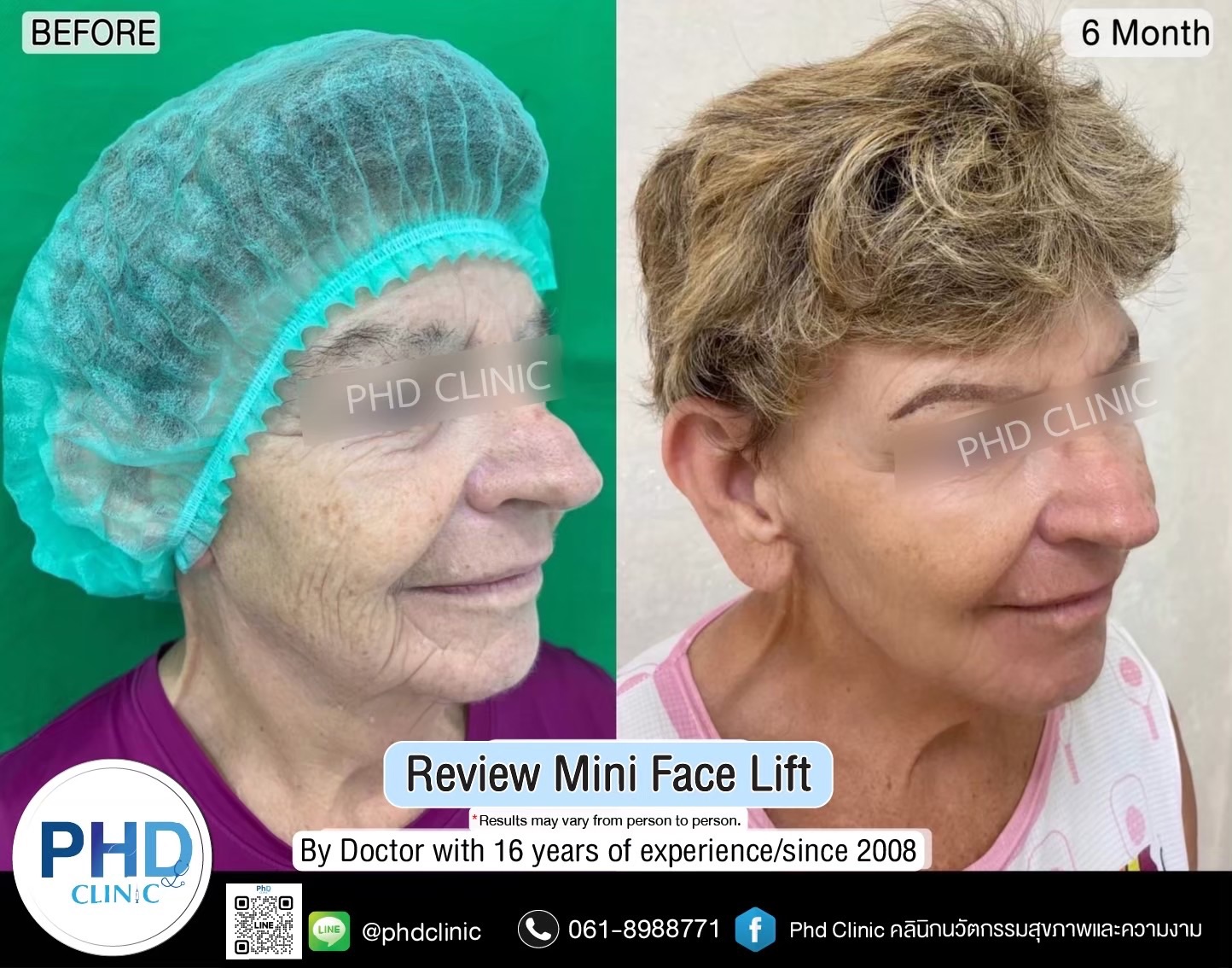
Post-facelift care
The main guidelines are as follows:
1. Managing Swelling and Bruising (The first 1-3 days are the most important)
Immediate Cold Compress: For the first 48-72 hours, apply a cold compress around the surgical site (be careful not to wet the wound or apply direct pressure) to help constrict blood vessels, reduce swelling, and relieve pain.
Elevate Your Head While Sleeping: For the first 3-5 days, sleep with your head elevated by at least two pillows, or at a 30-45 degree angle, to help improve blood and fluid circulation and prevent facial swelling.
Warm Compress (After 72 hours): Once swelling stabilizes and bruising begins to appear, switch to a gentle warm compress to help dissolve blood clots and accelerate bruising reduction.
2. Wound Care and Cleaning
Keep the wound dry: Generally, your doctor will instruct you to keep the wound dry for about 3-7 days (until the stitches are removed) to prevent infection.
Clean gently: Use a cotton swab soaked in normal saline to gently pat away blood or dirt. Then apply an antiseptic or ointment as prescribed by your doctor.
Avoid makeup: Do not apply moisturizer, sunscreen, or makeup over the wound until it is completely closed or your doctor has given permission.
3. Food and Diet
Recommended foods: Focus on easily digestible, bland foods, high-protein foods (to help repair tissue), and vitamins C and zinc (to promote faster wound healing).
Foods to strictly avoid (for at least 2-4 weeks):
Fermented foods, sticky rice, and seafood (risk of inflammation/infection or itching).
Spicy and hot foods (can increase blood pressure, potentially causing swelling or bleeding).
Alcohol and cigarettes (alcohol increases blood flow, leading to more swelling, while nicotine constricts blood vessels, significantly slowing wound healing and increasing the risk of gangrene).
Precautions and Daily Life
• Avoid strenuous activity/lifting heavy objects: Avoid exercise or activities that require bending your head low, as this increases pressure on the blood vessels in the face, potentially causing the wound to tear or bleed.
• Do not scratch the wound: When the wound begins to scab over, it may itch. Do not pick at the scab; let it fall off naturally to prevent keloid formation.
• Take medication as prescribed: Take all antibiotics as directed by your doctor. Pain medication can be taken as needed.
REVIEW