Otoplasty Phuket
Otoplasty Phuket (Ear Enlargement Correction Surgery): Correcting Ear Enlargement and Boosting Facial Confidence.
You may have “enlarged ears,” which might seem like a minor issue, but it can significantly impact your self-confidence and the effort many put into correcting them. Having been teased about it since childhood can be detrimental. Therefore, otoplasty is a highly popular procedure for permanently improving one’s appearance and self-esteem.

What causes protruding ears?
Protruding ears are often caused by abnormalities in the cartilage structure of the ear from birth. There are two main causes:
1. The antihelical fold does not fold normally: This causes the ear to appear flat and protrude to the sides.
2. The concha is too deep or large: This makes the ear appear to protrude more from the head than normal.
Otoplasty (ear correction surgery)
is a surgical procedure to reduce the size and shape of protruding ears, making them more proportionate to the patient’s face. Protruding ears, or “bat ears,” are characterized by the ears not folding properly to the back of the head. Ideally, they should form an angle of approximately 30 degrees. In people with protruding ears, the angle may be higher, making them more noticeable from the front. This is caused by the cartilage of the outer ear not folding normally. It can occur from childhood and may be hereditary.
Otoplasty can be performed from around the age of 6, as the child’s ears reach their full adult size at that time. Patients undergoing otoplasty must consult with a qualified surgeon for diagnosis before any surgery.

Who is suitable for otoplasty (ear correction surgery)?
Otoplasty is ideal for individuals who have problems with their ears protruding excessively, making them appear too prominent and causing a loss of self-confidence. In addition to correcting ear protrusion, the size and shape of disproportionate ears can also be improved. However, the suitability of surgery depends on the
Why choose PHD Clinic for otoplasty?
• Otoplasty requires surgery performed by a specialized plastic surgeon.
• It demands knowledge, expertise, and the artistry to design the ear structure to complement the face—a skill unique to plastic surgeons.
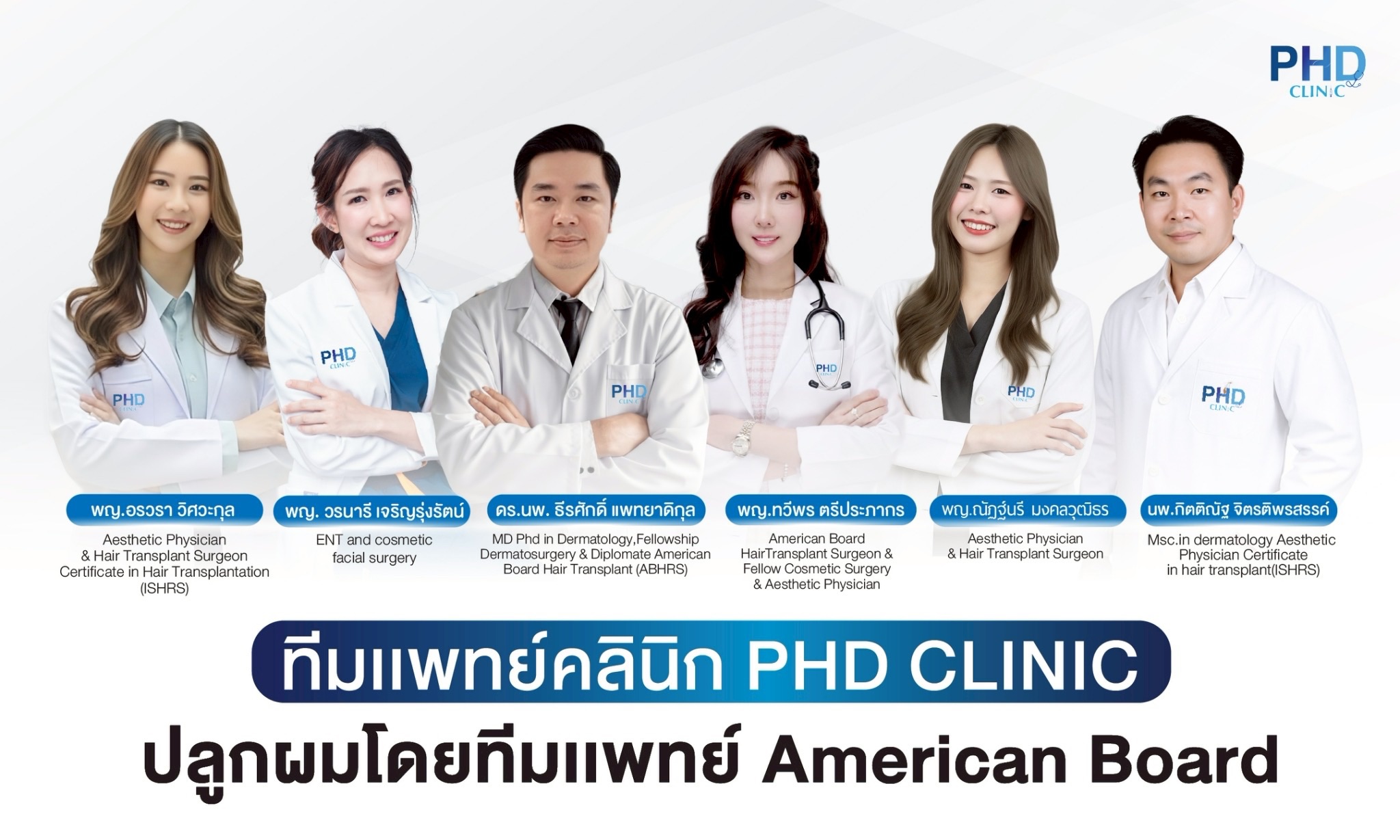
• Our team of specialized plastic surgeons has over 16 years of experience in cosmetic surgery and provides services that meet international standards.

Surgical correction of protruding ears.
Typically, ear correction can be done in children, usually around the age of 12, as at this age the child’s ears have reached their full size, being the same size as an adult’s ears.
Correcting abnormal ear shape is not difficult and is effectively achieved through surgery. However, this is the only method of correction, as well as other techniques to reshape the cartilage. This involves making an incision behind the ear to reshape or cut the cartilage, then suturing it back to the desired shape.
However, the techniques used for ear surgery may differ between the left and right ears, as each ear is slightly different. Patients need not worry about visible scars after ear correction surgery, as there will only be a thin line hidden behind the ear, invisible to others from the front.
The procedure for surgical correction of protruding ears.
• The doctor will analyze and evaluate the structure of the ear.
• Local anesthesia can be chosen depending on the patient’s preference and the doctor’s discretion.
• A small incision is made in the crease behind the inner ear to hide the scar.
• The ear was reshaped, pulled closer to the head, and the incision was closed using a hidden suture technique.
• The surgery takes approximately 2-3 hours.

Preparation before otoplasty (ear correction surgery)
1. Physical Preparation and Doctor Consultation
• Health History: Inform the surgeon in detail about any pre-existing conditions (e.g., hypertension, diabetes), drug allergies, food allergies, and past scarring patterns (e.g., prone to keloids).
• Health Check-up: Some patients may undergo blood tests or a basic physical examination as recommended by the doctor.
• Quit Smoking: Quit smoking at least 2-4 weeks before surgery, as nicotine constricts blood vessels, slowing wound healing and increasing the risk of infection.
2. Avoiding Medications and Supplements (Very Important)
• Avoid pain relievers and anticoagulants: 10-14 days prior to surgery, as these can increase bleeding risk and make it difficult to stop bleeding during surgery.
• Avoid supplements and herbal remedies: Such as Vitamin E, fish oil, ginkgo biloba extract, ginseng, or garlic tablets, as these affect blood circulation and clotting.
3. Lifestyle and Nutrition
• Avoid Alcohol: Avoid all alcoholic beverages for at least one week before surgery to reduce the risk of swelling and inflammation.
• Eat a Healthy Diet: Focus on protein and fruits and vegetables. To aid in post-operative tissue repair:
• Get enough rest: Try to get plenty of sleep to ensure your body is in the best possible condition.
4. Preparation on the Day of Surgery
• Cleanliness: Wash your hair thoroughly before coming to the clinic (as bandages will be needed for several days after surgery, and the wound must not get wet).
• No makeup: Do not wear makeup or lipstick on the day of surgery, and remove all jewelry (earrings, necklaces) beforehand.
• Clothing: Wear clothing with front buttons or zippers for easy removal and dressing without having to pull it over your head, to prevent injury to the ear after surgery.
• Arrange for a caregiver: Since the surgery may involve the use of local anesthesia or sedation, have a relative or friend pick you up and take you home. Do not drive yourself. MEDA

Post-Op Care for Otoplasty (Ear Correction)
1. First 3 Days: Recovery and Swelling Reduction Period
• Sleeping: You should sleep with your head elevated (using 2-3 pillows or a neck support pillow) and only on your back to reduce swelling and prevent pressure on the ears.
• Do not remove the bandages: The doctor will wrap your head with a sling to support the ear’s shape. Do not remove or loosen it yourself until your next appointment.
• Cold compresses: You can apply cold compresses to your forehead or cheeks (do not apply directly to the ears) to help reduce heat and swelling.
2. Cleaning and Bathing
• Avoid getting the wound wet: Before suture removal (7-10 days), absolutely do not let the wound get wet. If you need to clean your body, use a towel to wipe yourself down, or have your hair washed at a hair salon, instructing the stylist to be especially careful.
• Wound care: If your doctor allows you to care for the wound yourself, use cotton swabs soaked in normal saline to gently clean any blood around the wound and apply antiseptic as prescribed by your doctor.
3. Precautions and Activities to Avoid
• Avoid strenuous activities: Avoid vigorous exercise, bending low, or lifting heavy objects during the first two weeks, as this can increase blood pressure and cause wound swelling.
• Avoid impacts: Be careful when wearing clothing that is pulled over the head (wear button-front shirts instead) and be cautious when playing with pets or young children.
• Avoid trigger foods and alcohol: Avoid alcohol and cigarettes for at least two weeks after surgery, as well as spicy and fermented foods, to reduce the risk of wound inflammation.
4. Medication and Symptoms Requiring Medical Consultation
• Take all prescribed medication: Especially antibiotics (antibacterial drugs), take them until the course is complete. Pain relievers can be taken as needed.