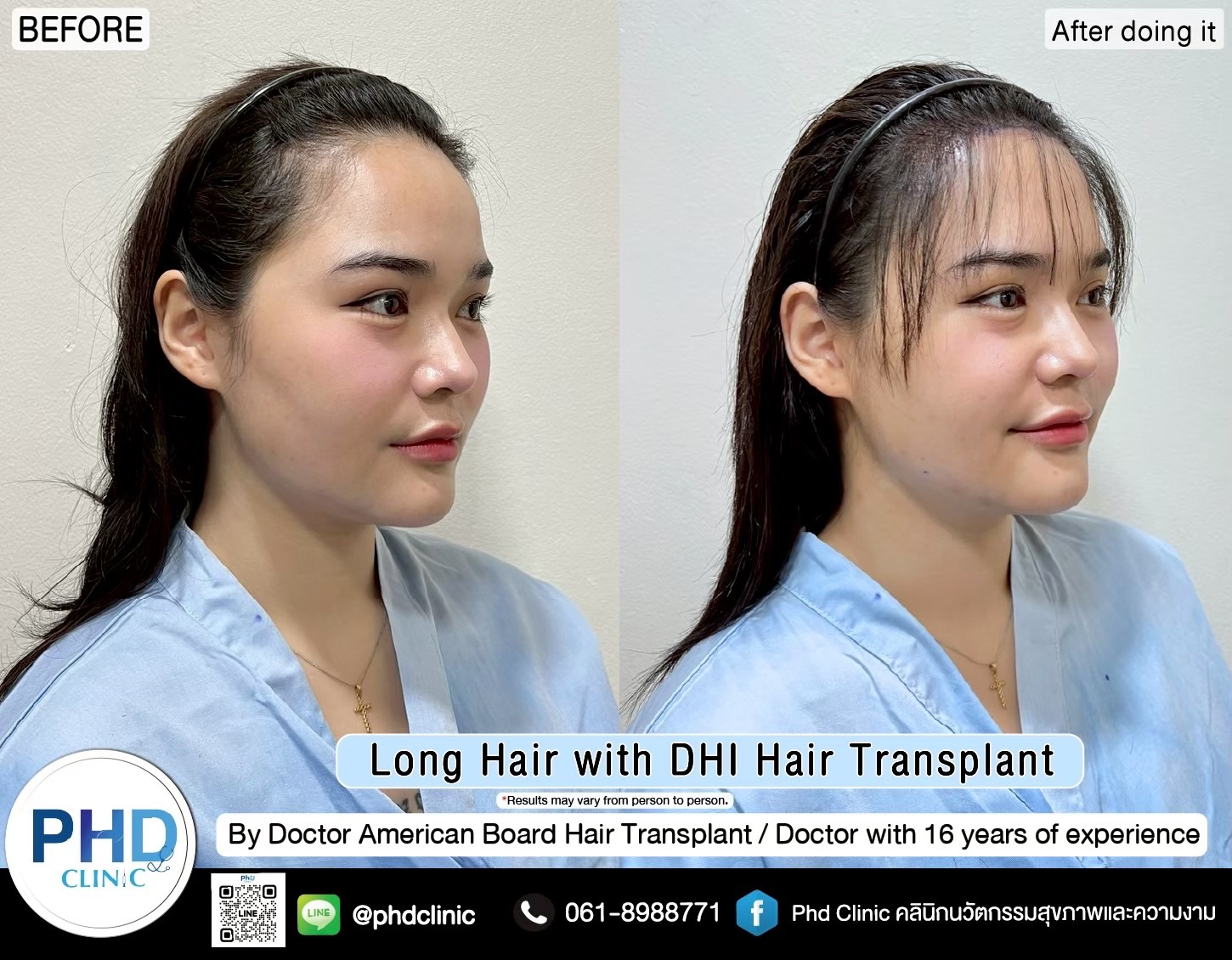
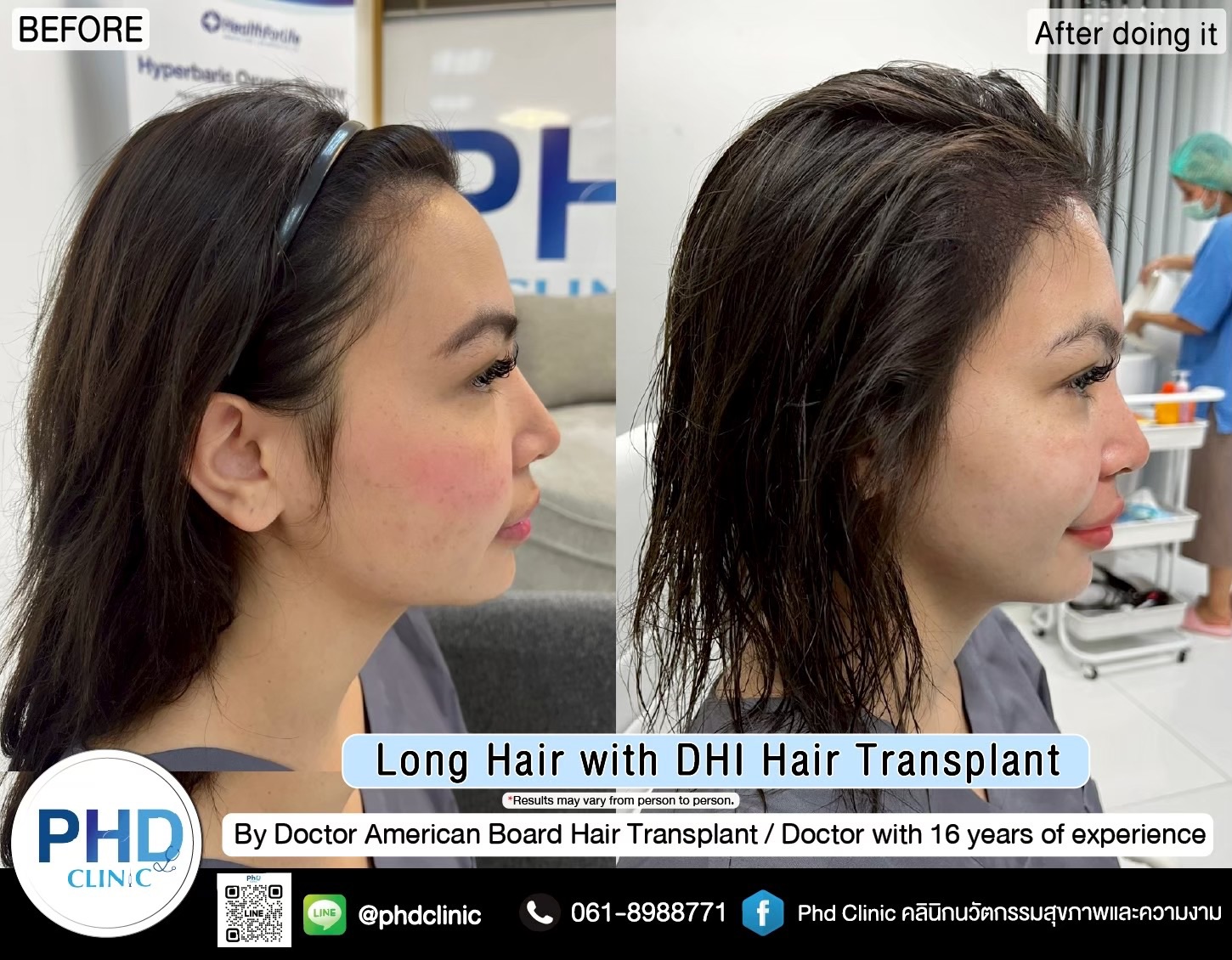
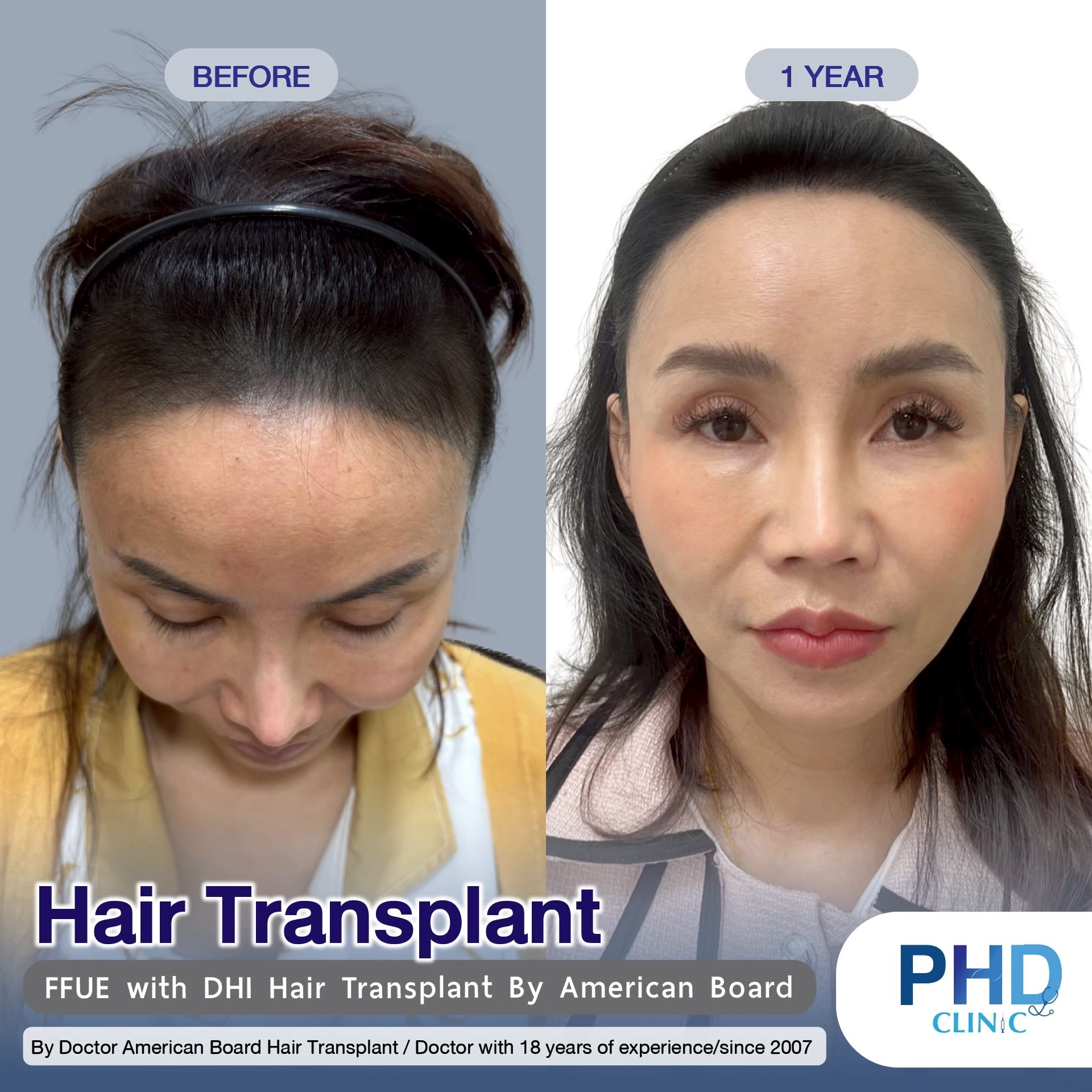
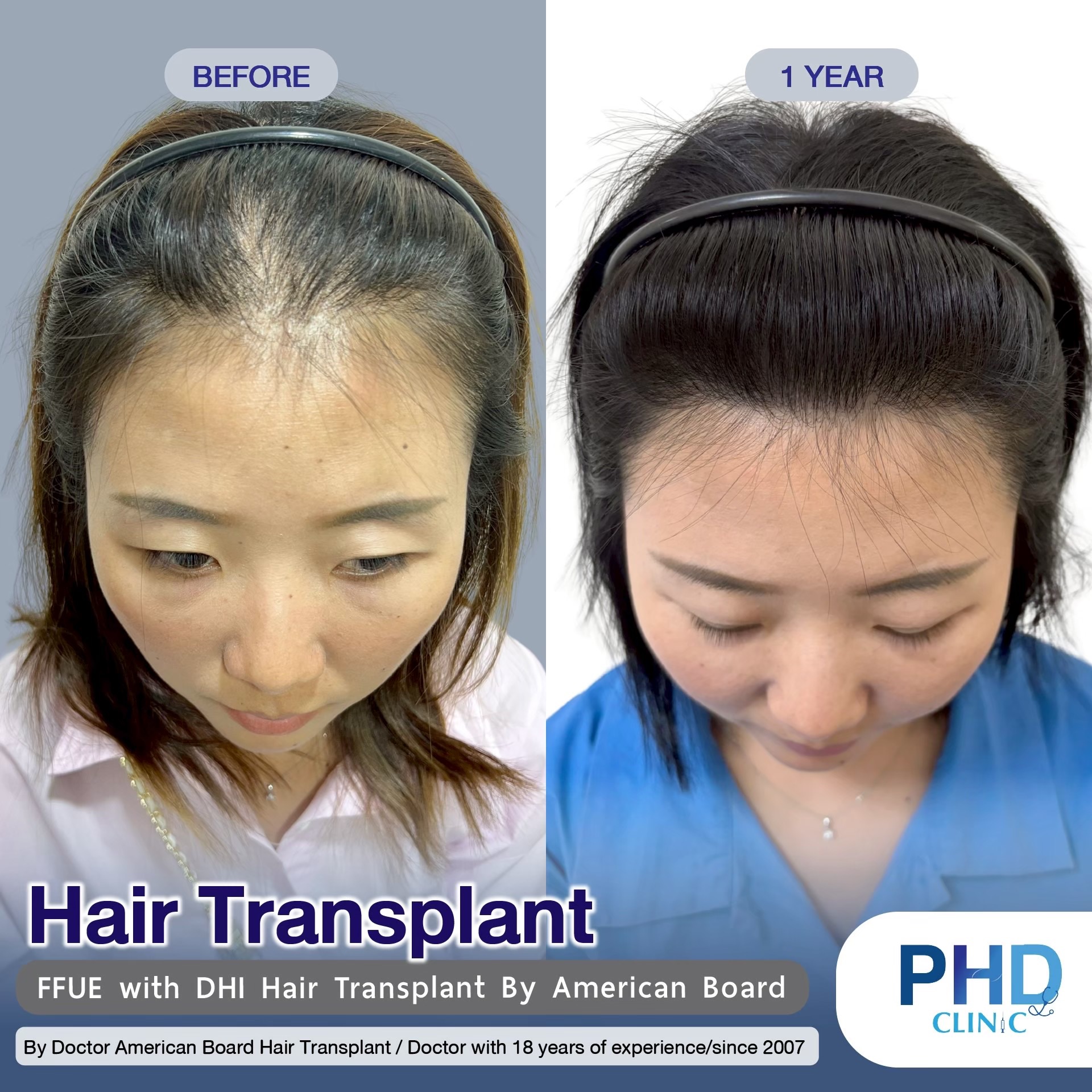
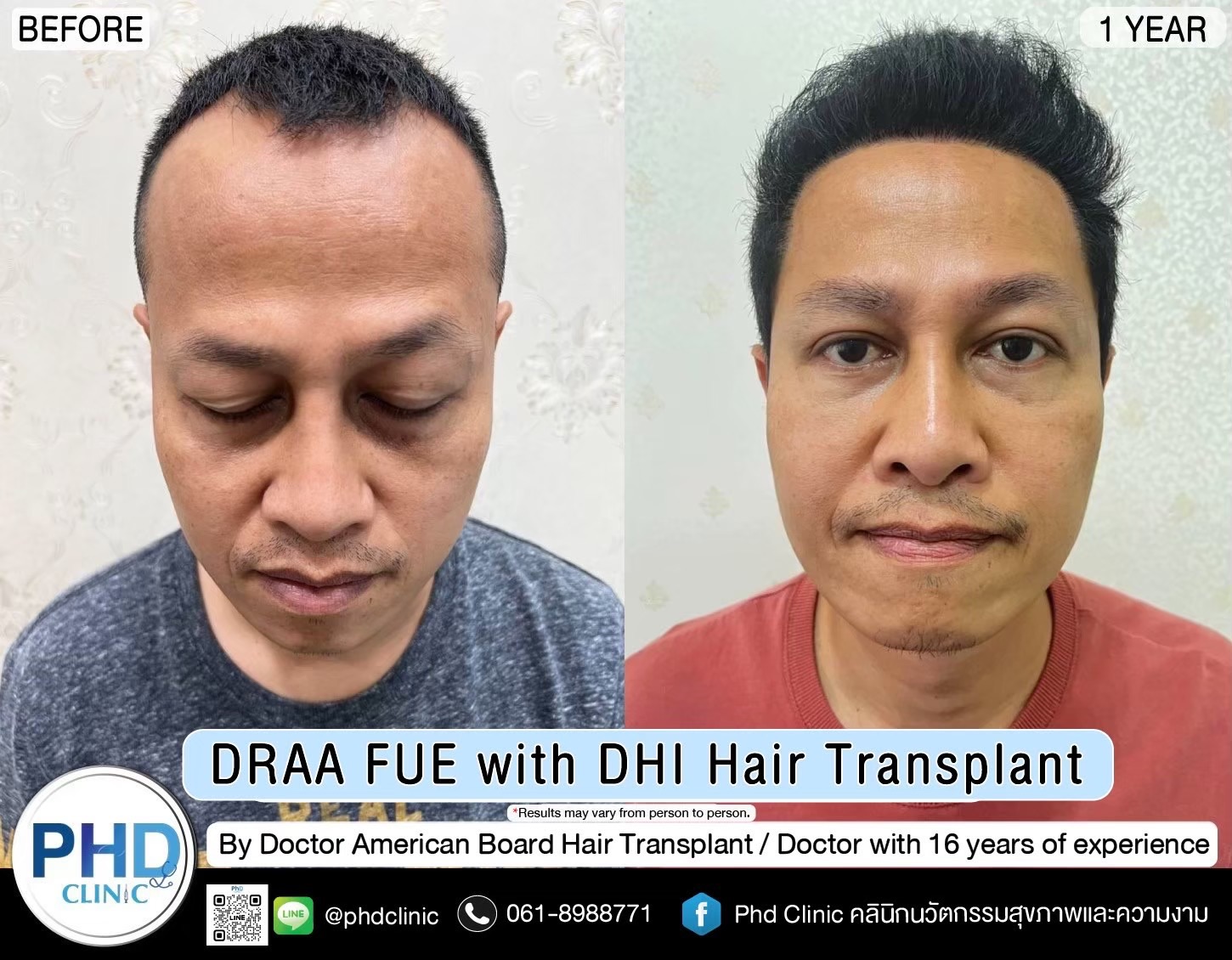
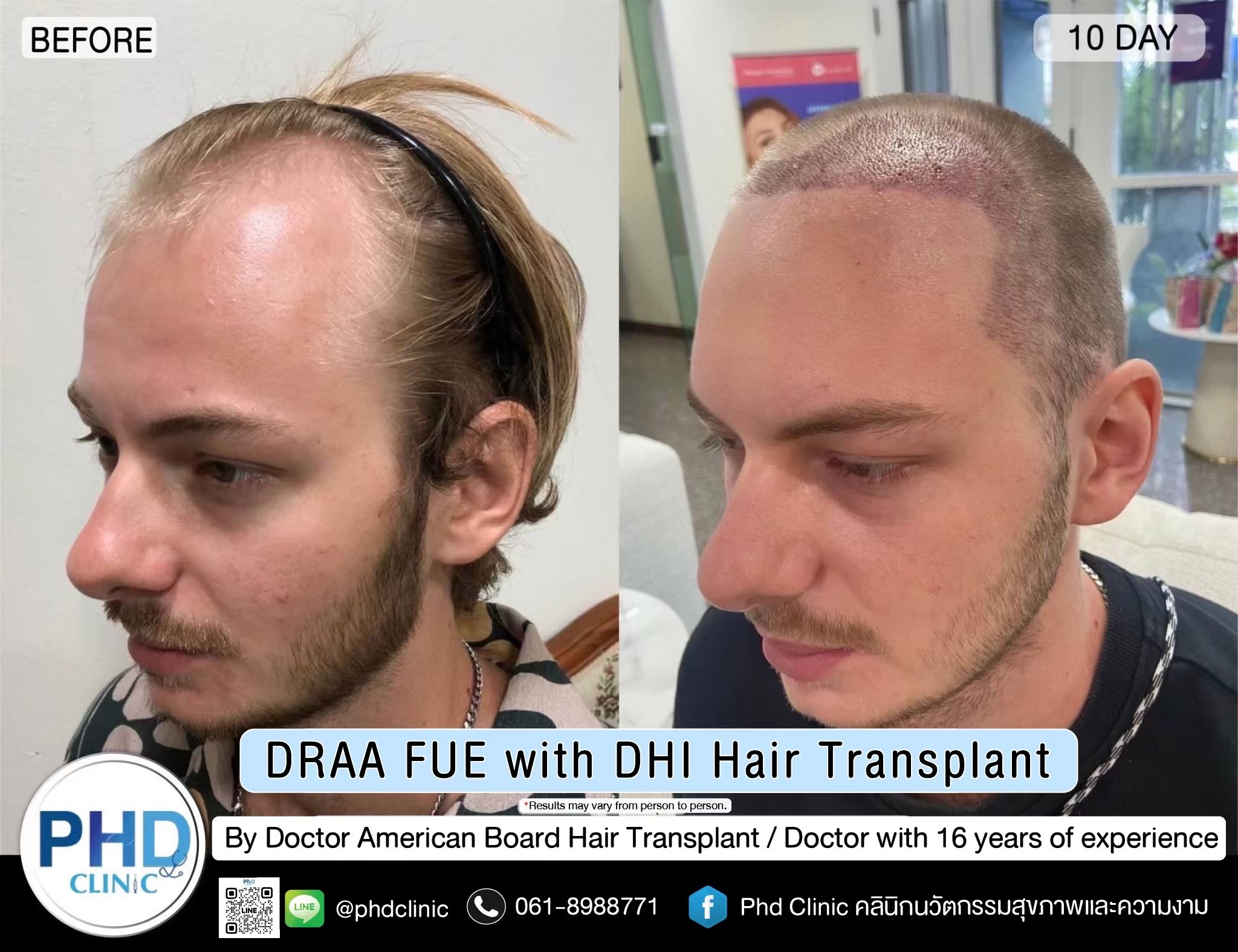
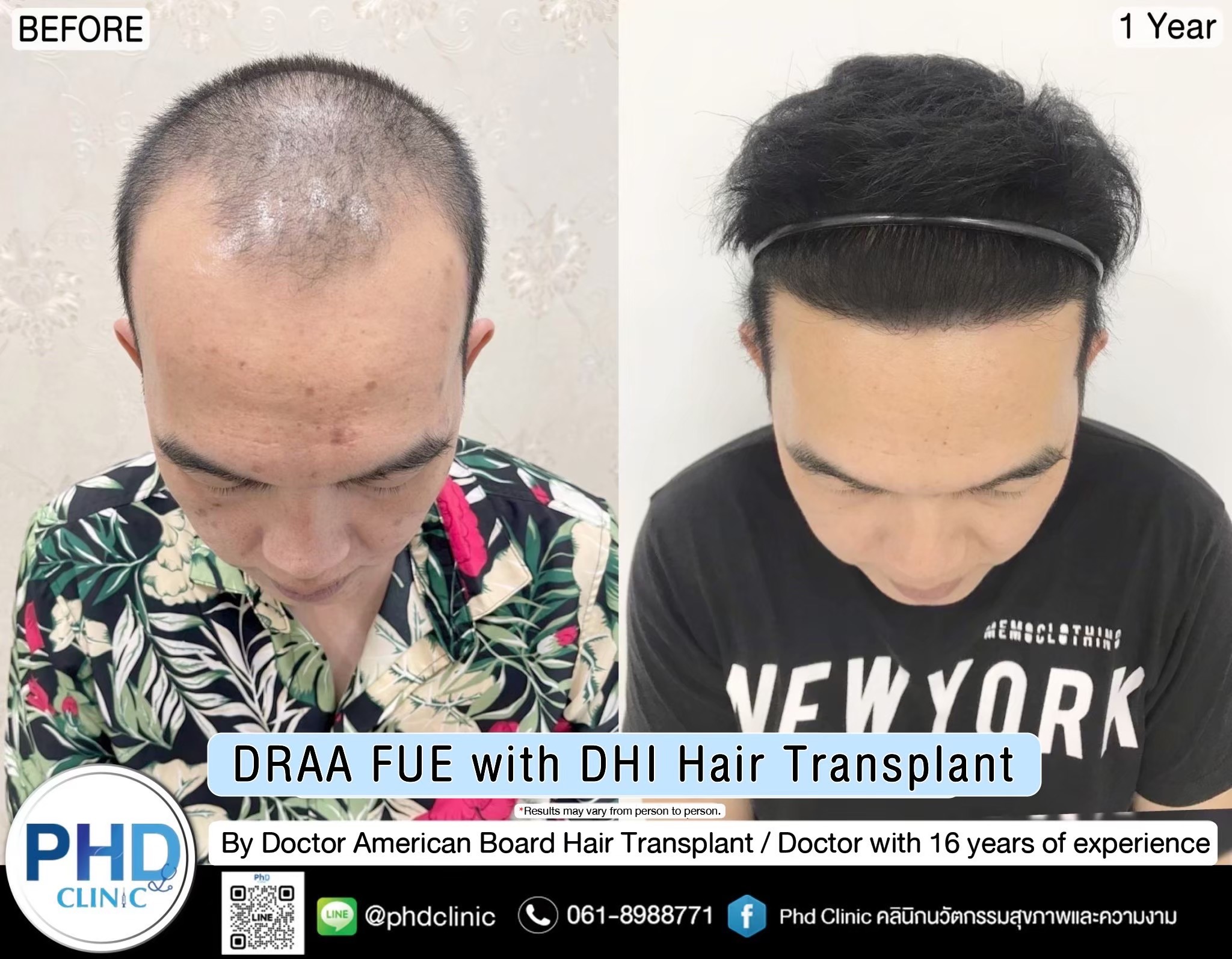
What is hair transplantation ?

What is hair transplantation ? How many main techniques are there ?

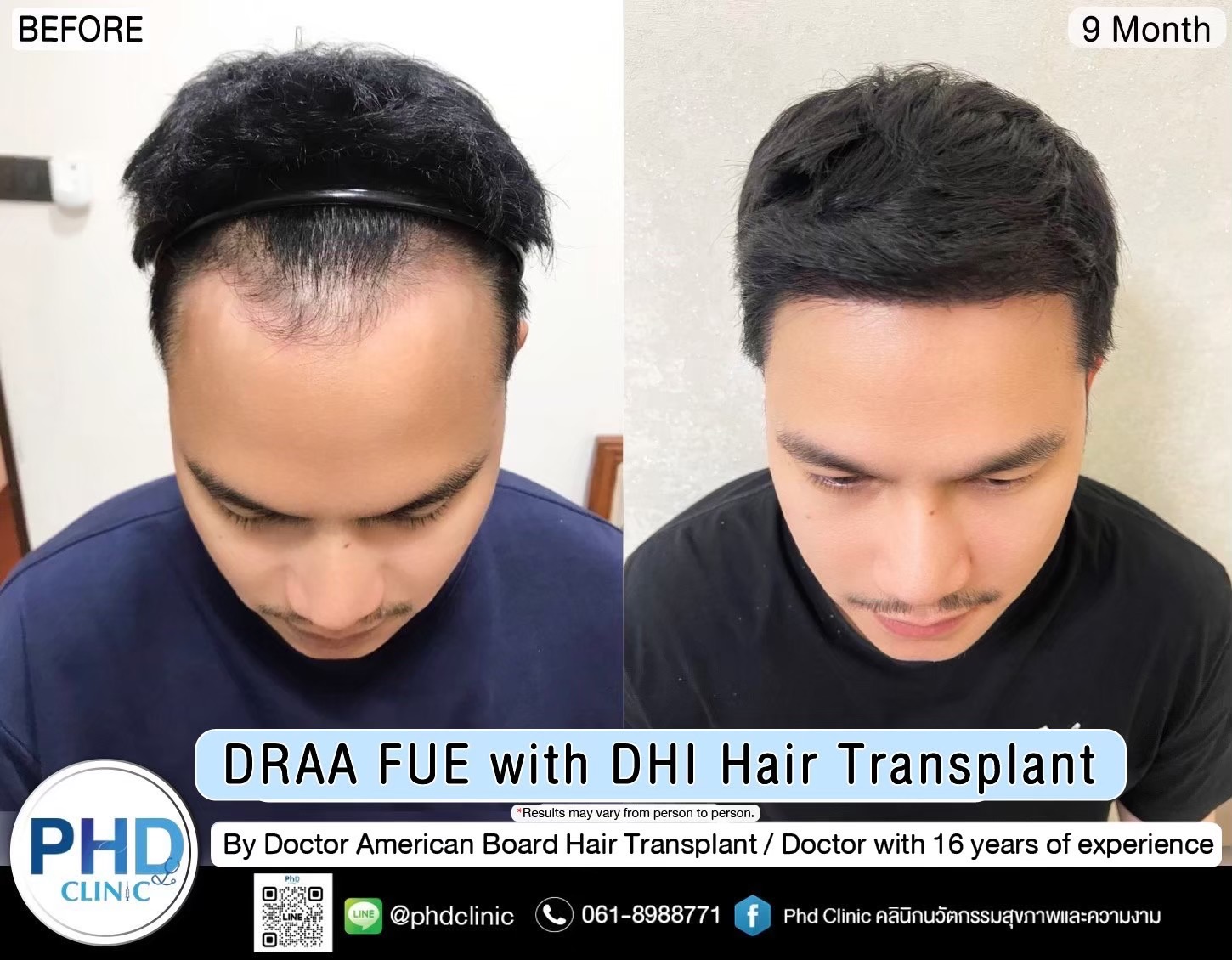
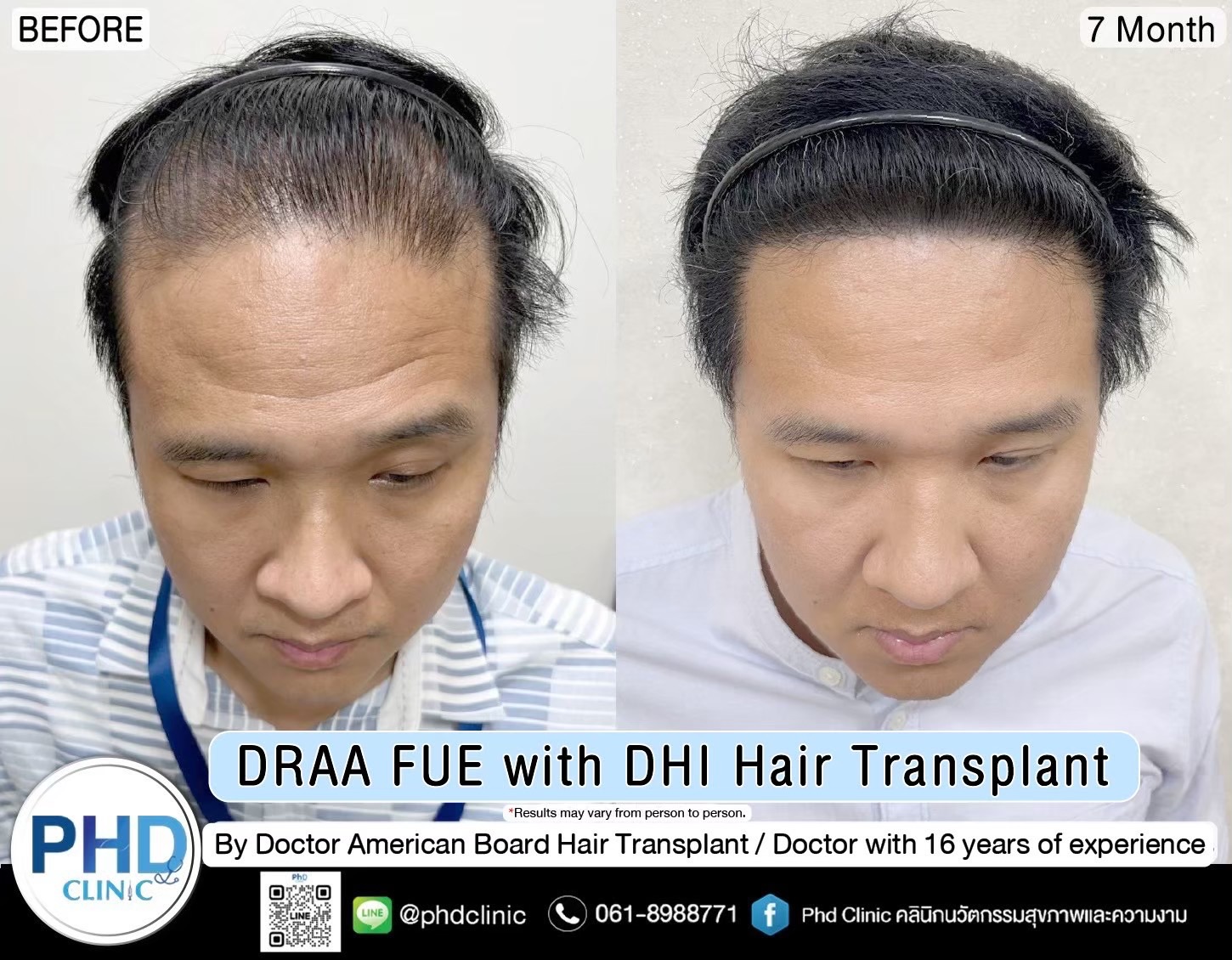
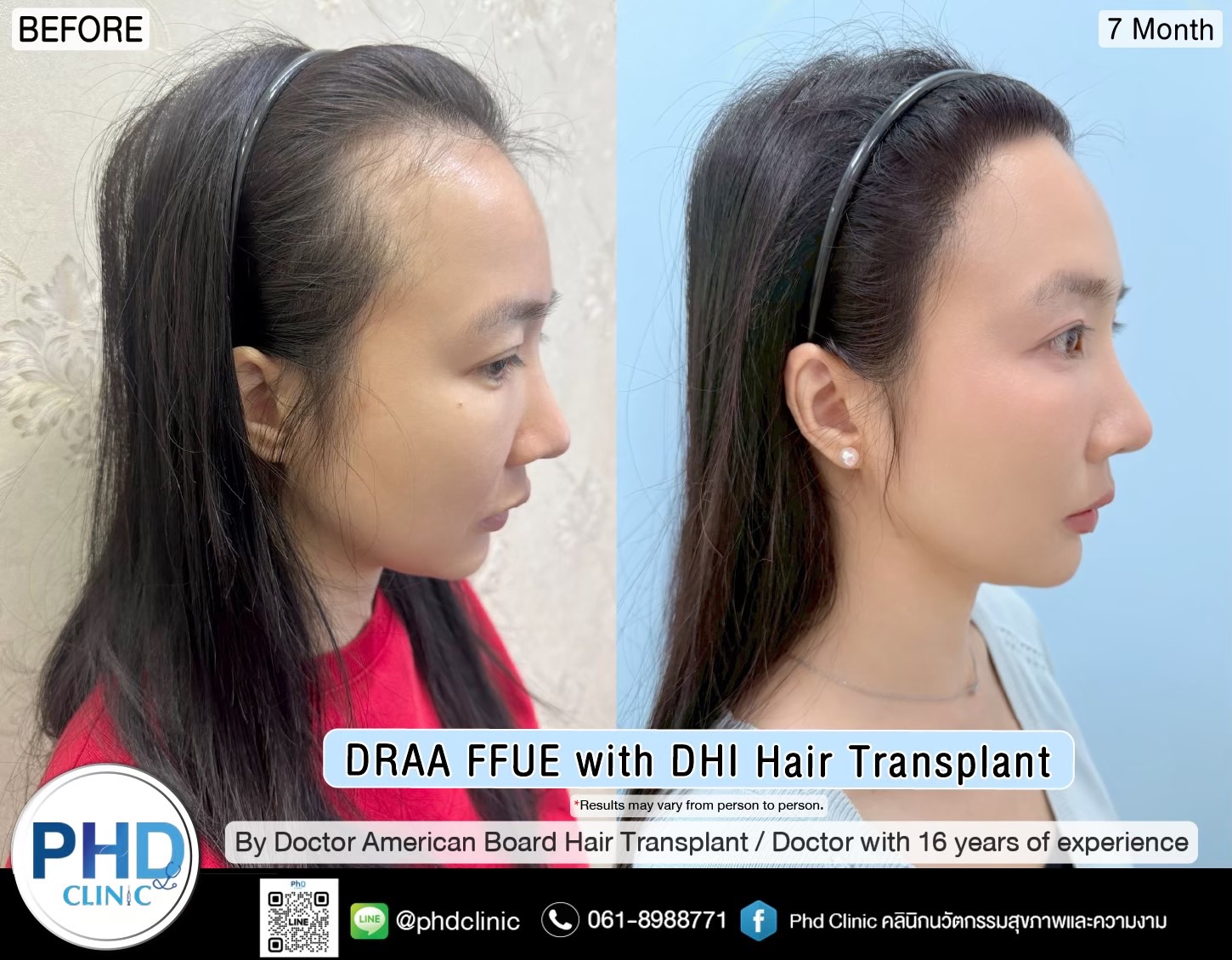
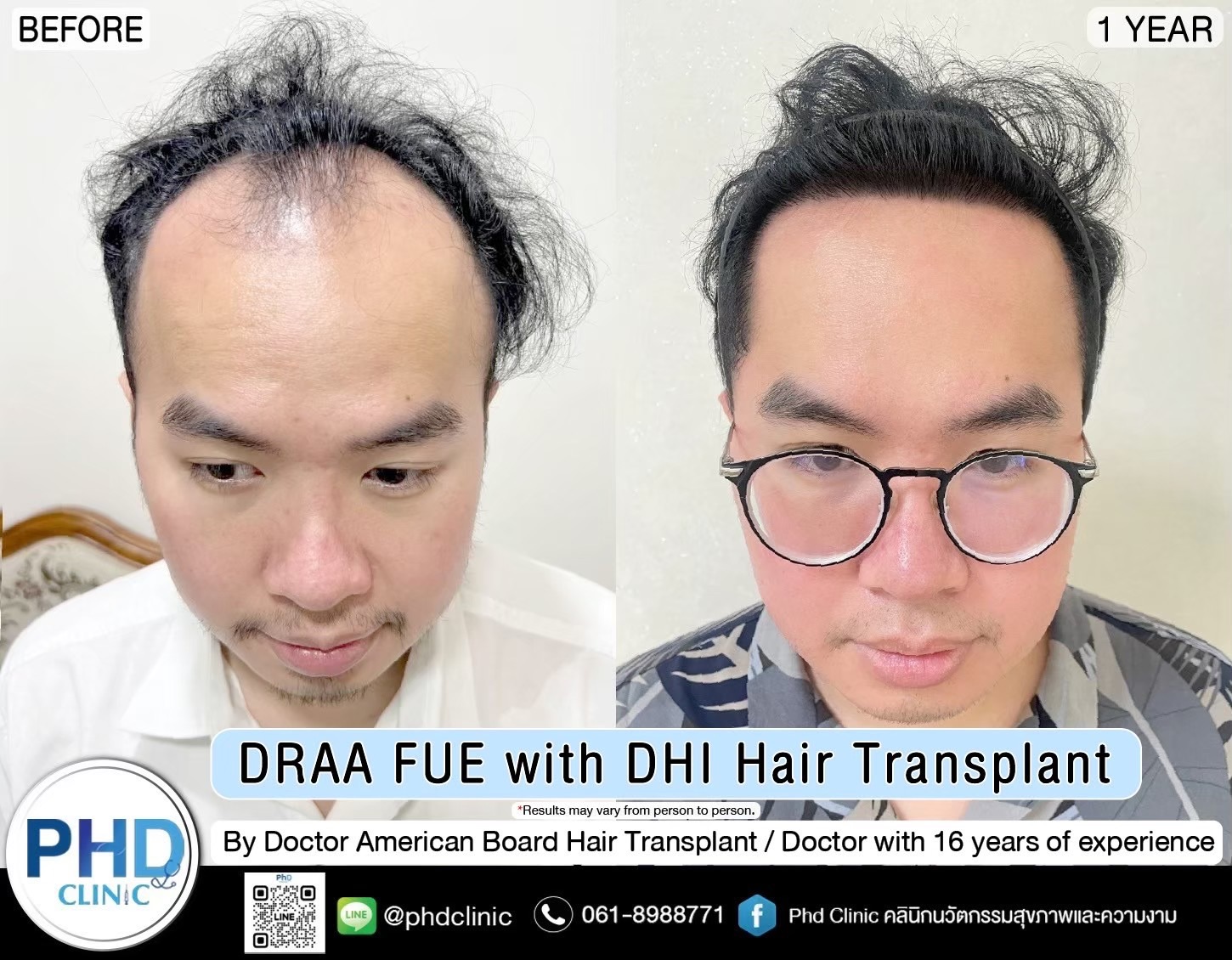
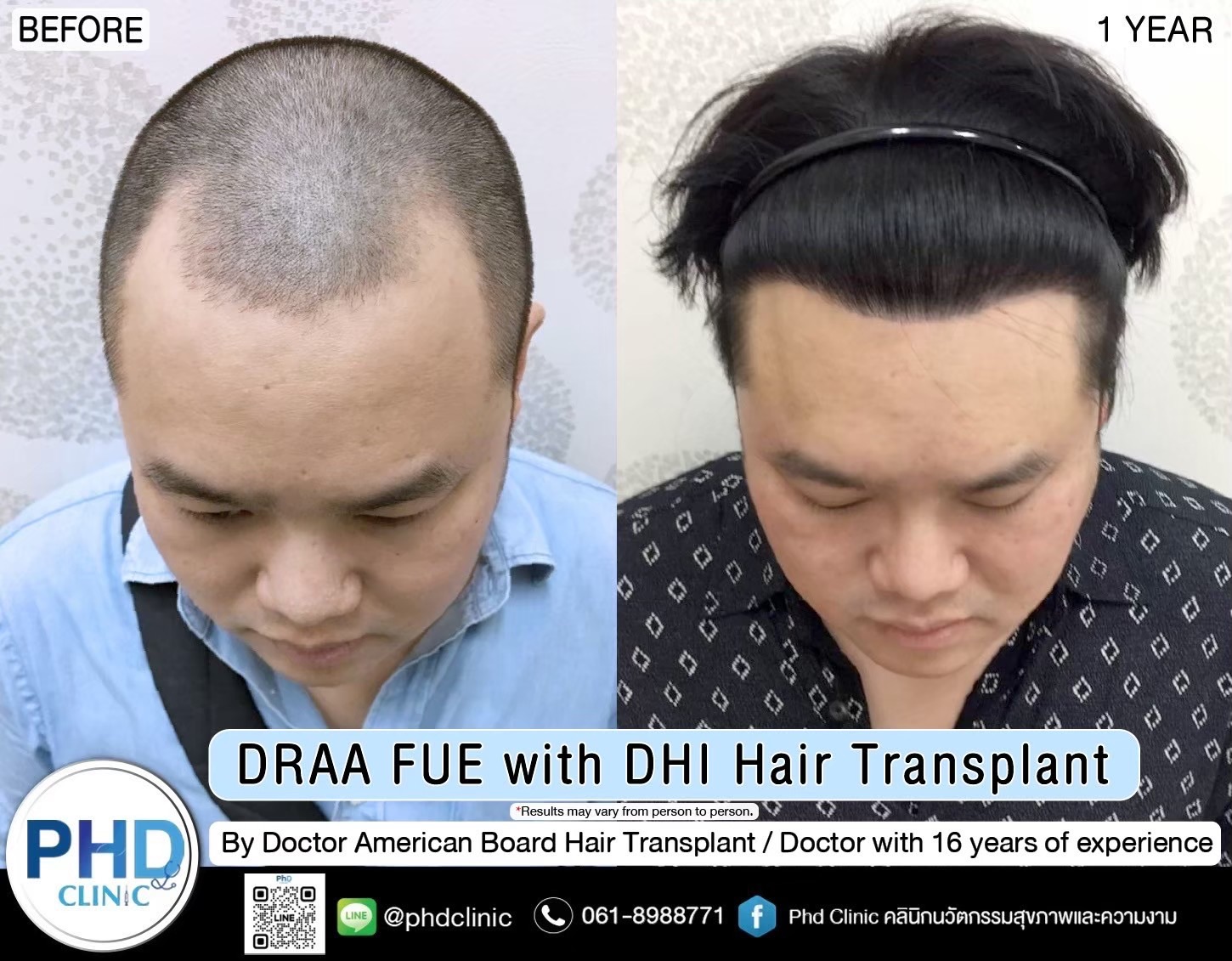
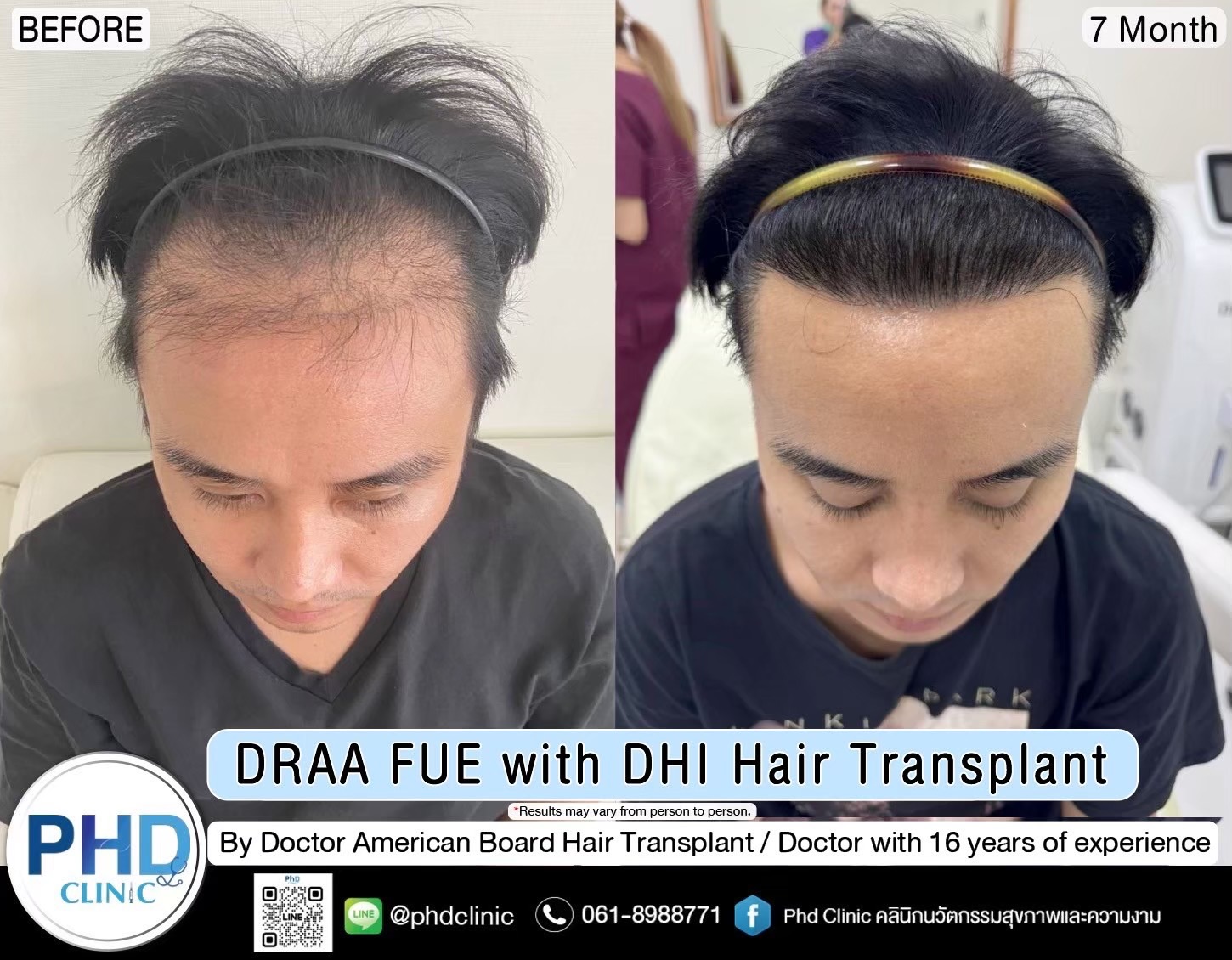
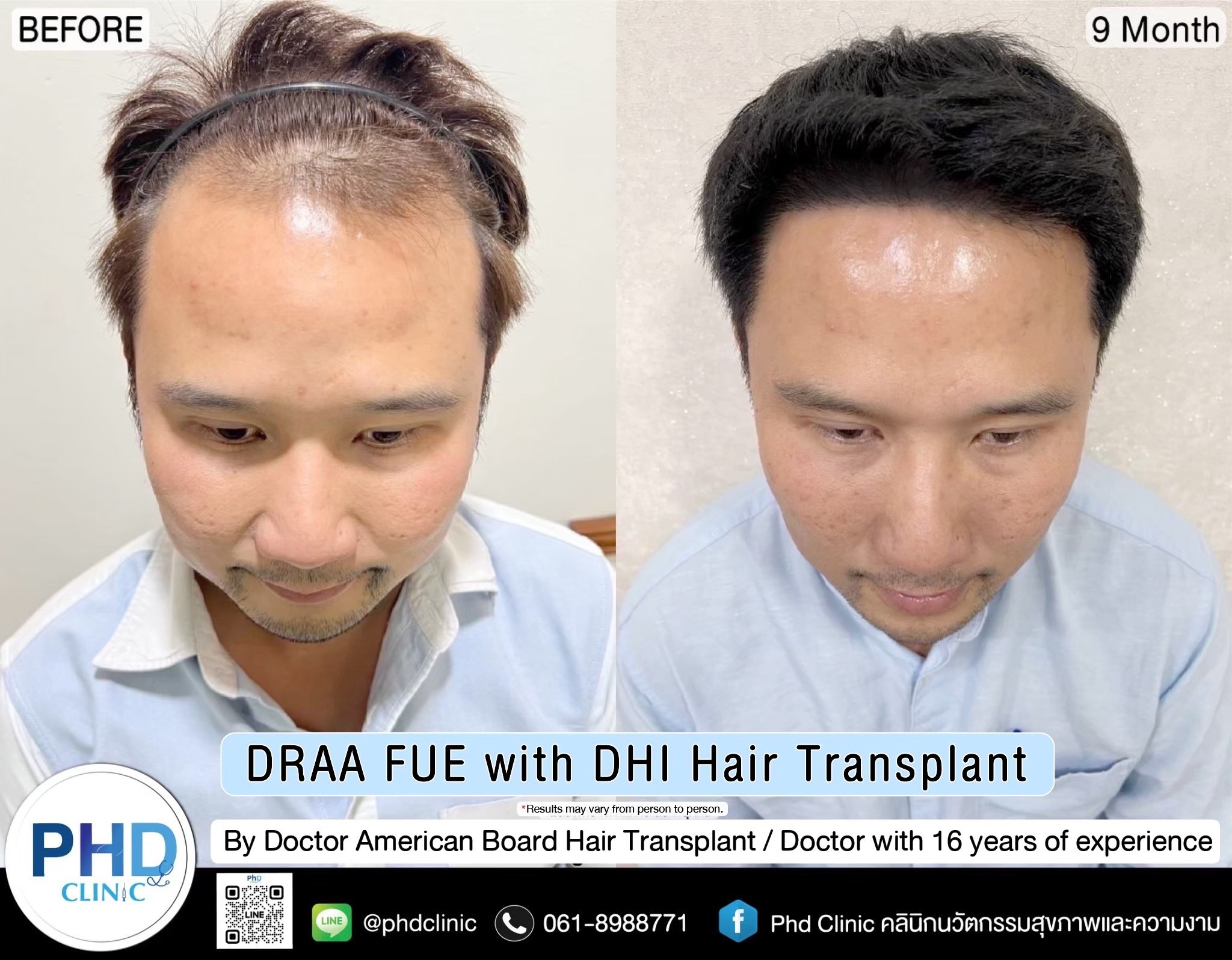
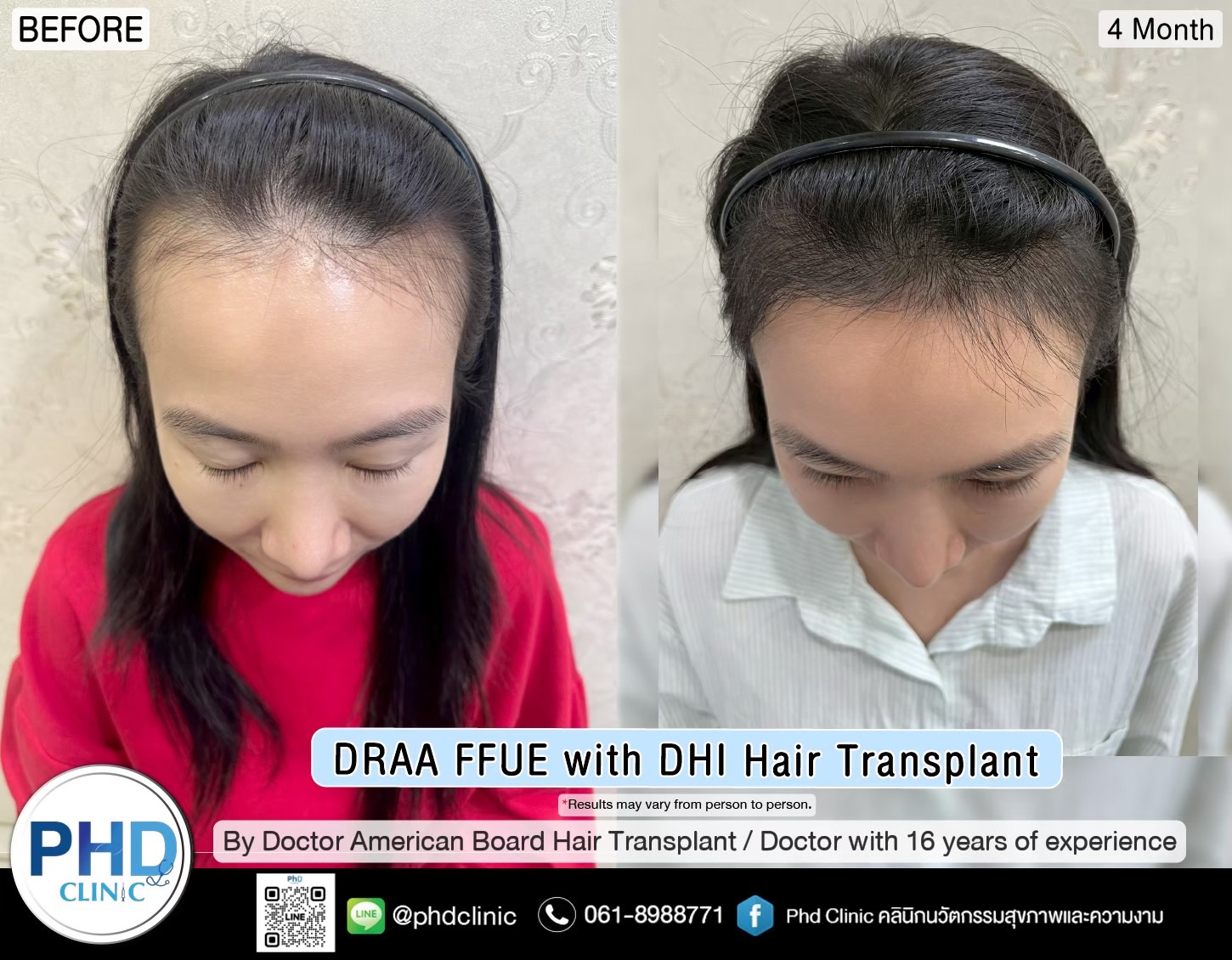
What is hair transplantation ? : Hair transplantation is the process of taking your own hair follicles from an area of ​​healthy hair that is resistant to hormones that cause hair loss—typically the nape and sides of the head (donor area)—and transplanting them to an area of ​​thinning or baldness (recipient area). This allows new hair to grow naturally and last longer.
 
The key point is that it doesn’t involve taking hair from another person, but rather transplanting. MEDA

Hair Transplantation

How many main techniques are there for hair transplantation ?

Currently, based on the method of extracting hair follicles from the donor area, there are two main techniques.
 
1. FUT — Follicular Unit Transplantation
2. FUE — Follicular Unit Extraction
 
What is hair transplantation ?

FUT — Follicular Unit Transplantation

1. FUT — Follicular Unit Transplantation
 
FUT (Follicular Unit Transplantation) is a traditional technique where a doctor takes a strip of scalp from the back of the head and then separates it into small hair follicle units, or follicular units.
 
The general procedure is as follows :
 
1. The doctor assesses the area of ​​hair loss and the donor area.
2. Local anesthesia is administered.
3. A strip of scalp is removed.
4. The incision at the back of the head is sutured closed.
5. The medical team separates the hair follicles into follicular units.
6. The transplant area is prepared.
7. The hair follicles are transplanted according to the designed direction and angle.
 
Limitations

What is hair transplantation ?

FUE — Follicular Unit Extraction

2. FUE — Follicular Unit Extraction
 
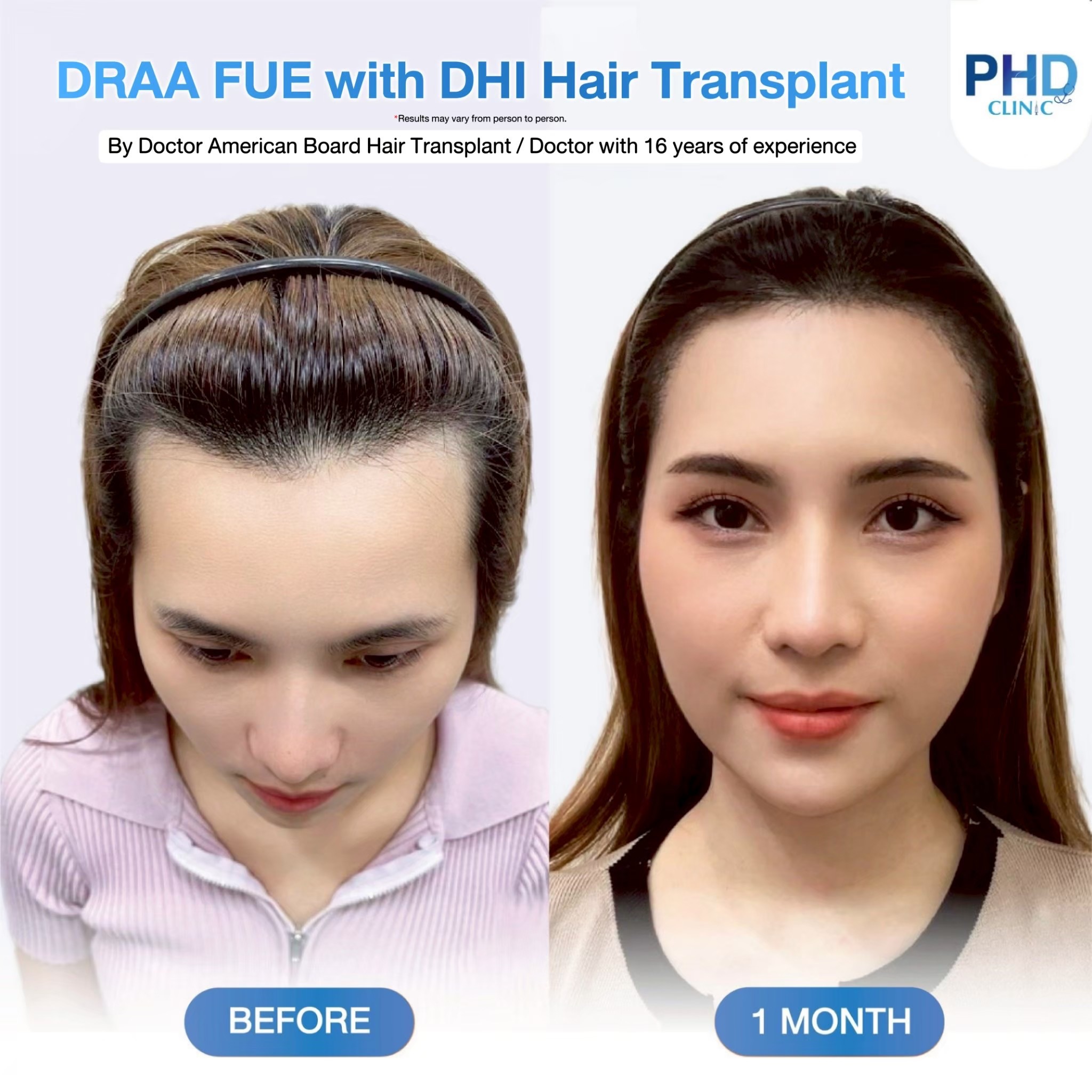
FUE (Follicular Unit Extraction) is a very popular technique today. The doctor uses small instruments to make small holes around the hair follicle and extracts the follicular unit one graft at a time.
 
Each graft may contain approximately 1–4 hairs, depending on the individual’s hair follicle structure.
 
Typical Procedure:
 
Assessment → Hairline Design → Donor Area Preparation → Graft Extraction → Recipient Area Preparation → Graft Planting
 
Hair follicle extraction can be done manually or with instruments that ensure more consistent extraction and graft collection.
 
Advantages of FUE:
 
* No need to cut a strip of scalp.
* No long scar like with FUT (Follicular Unit Transplantation).
* Small scars in the donor area.
* Relatively quick recovery for the donor area.
* Suitable for those who want shorter hair than with FUT.
What is hair transplantation ?

what is DHI ?

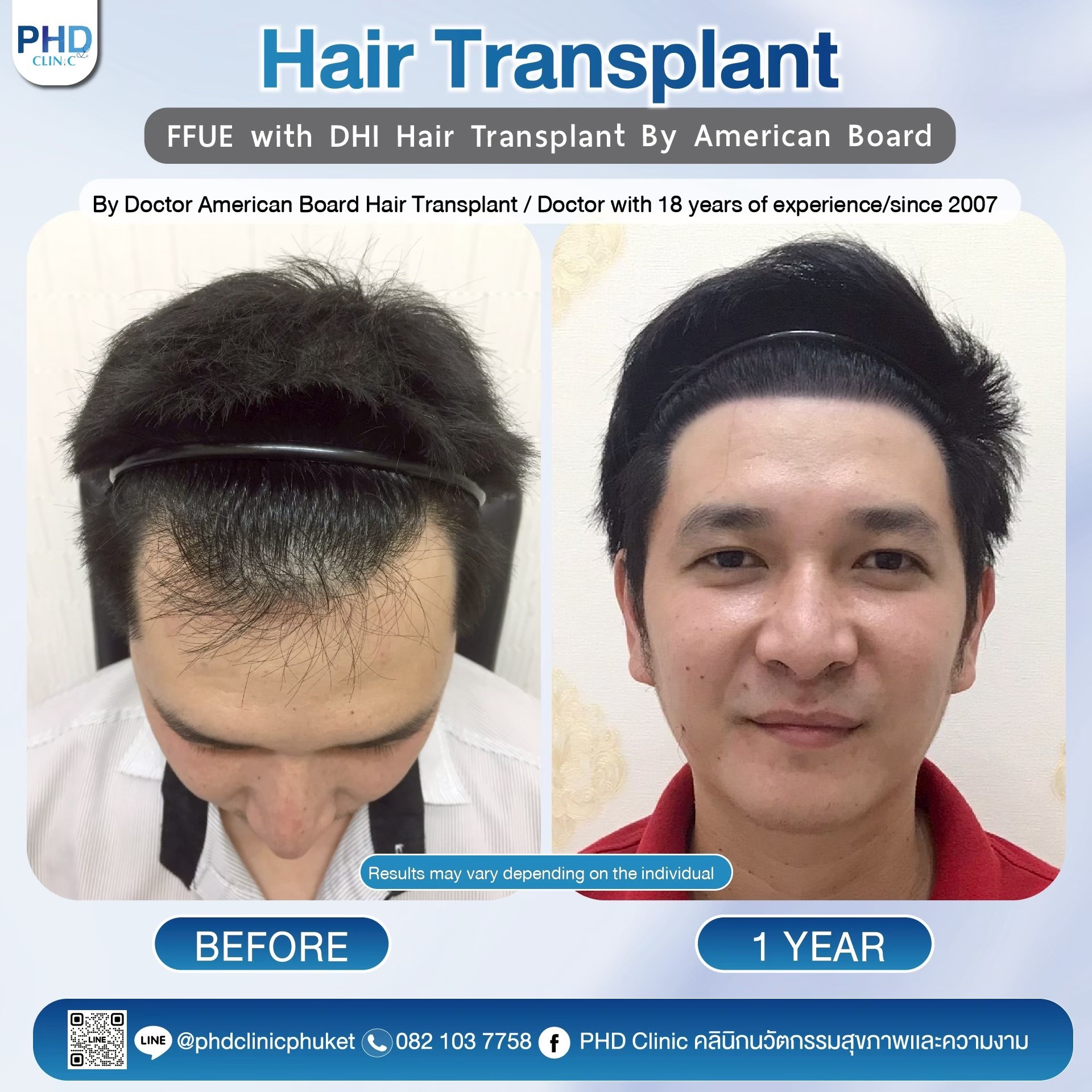
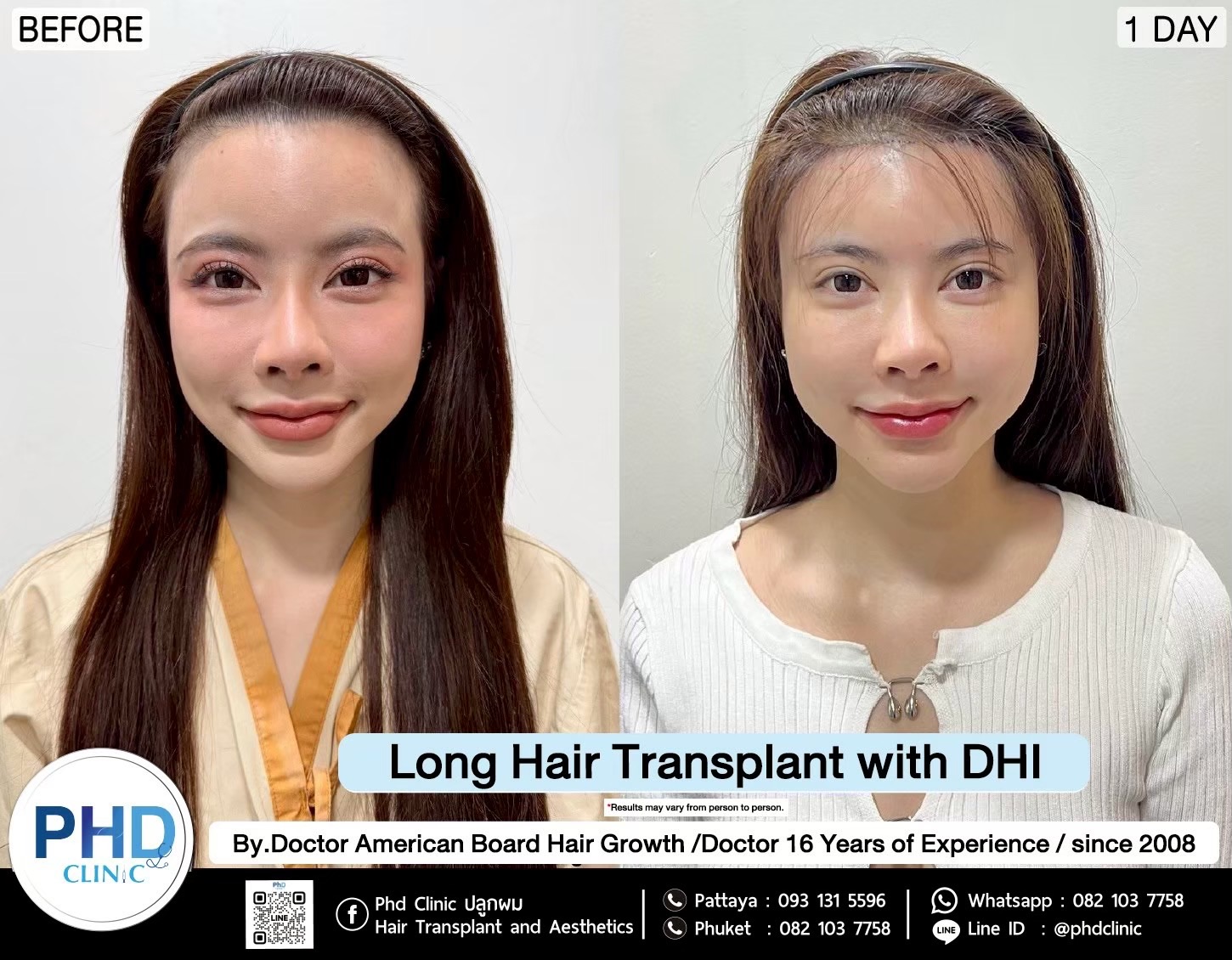
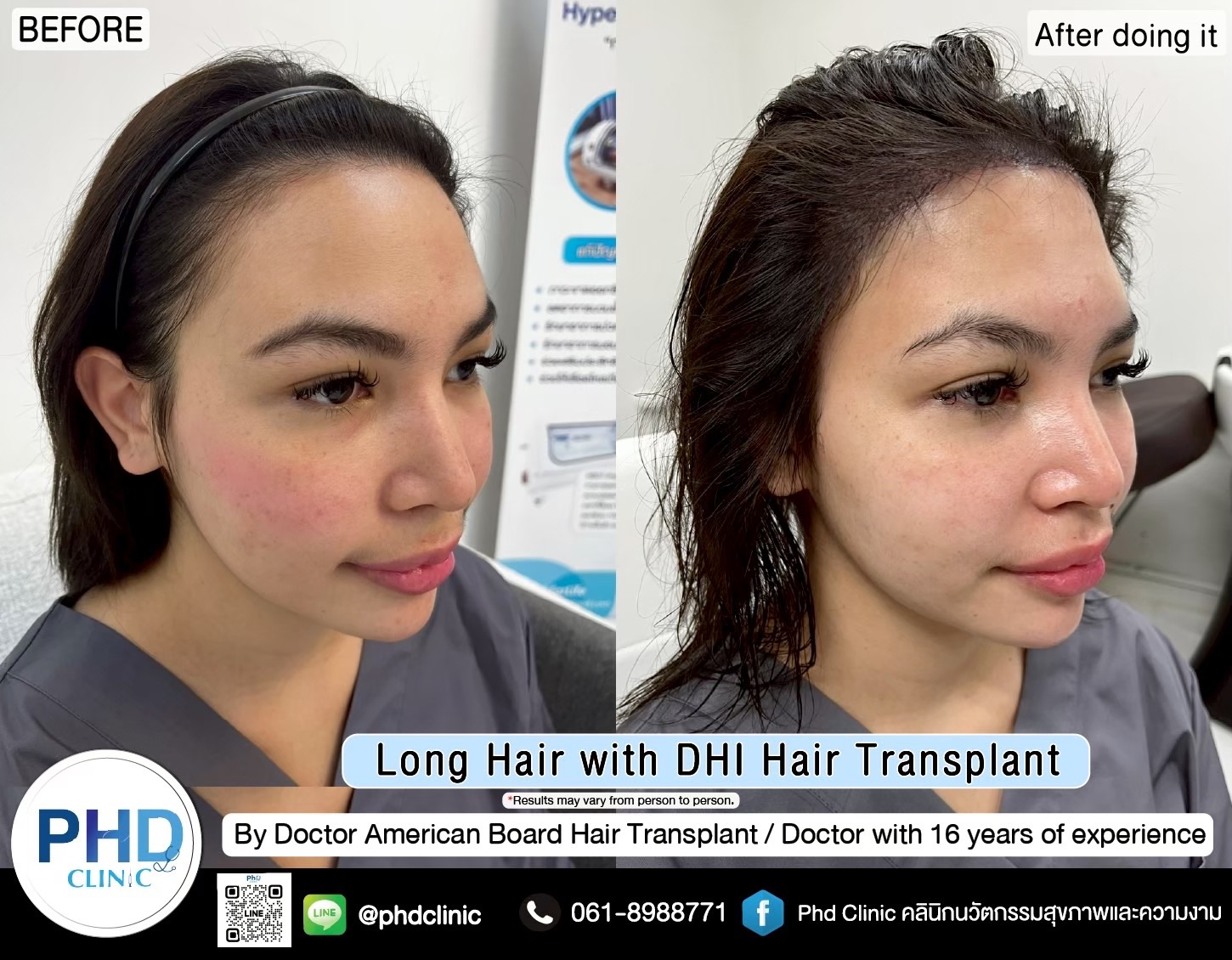
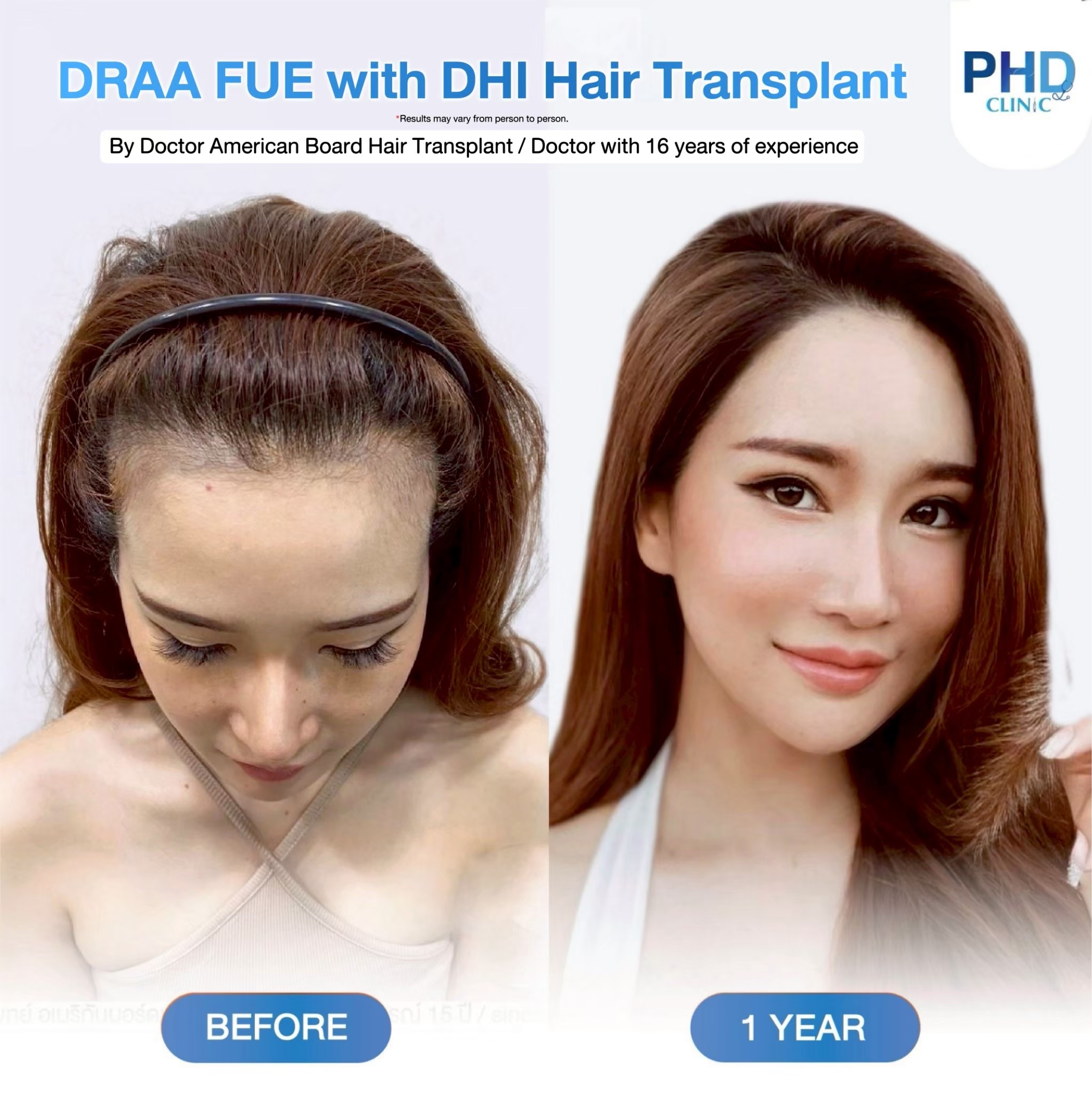
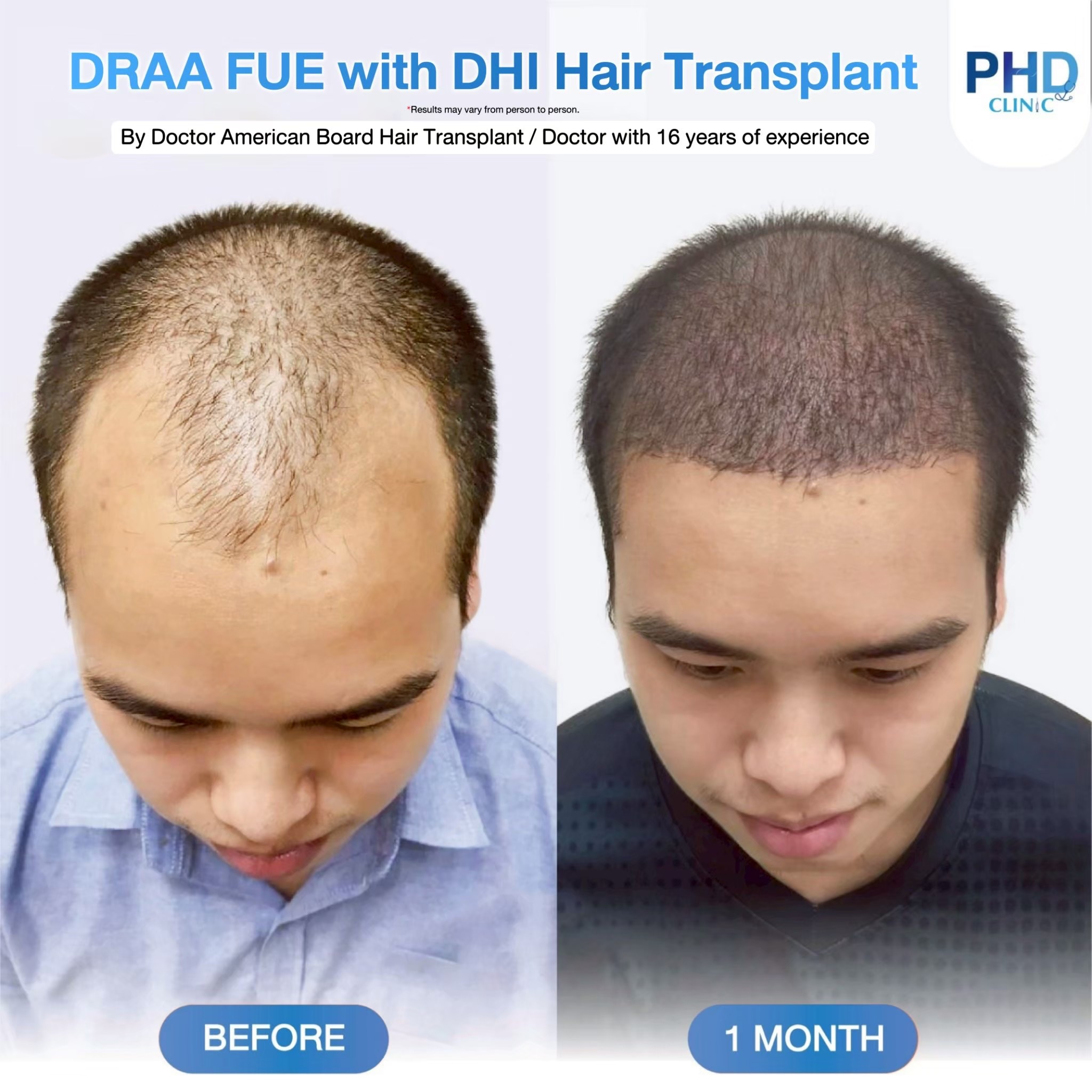
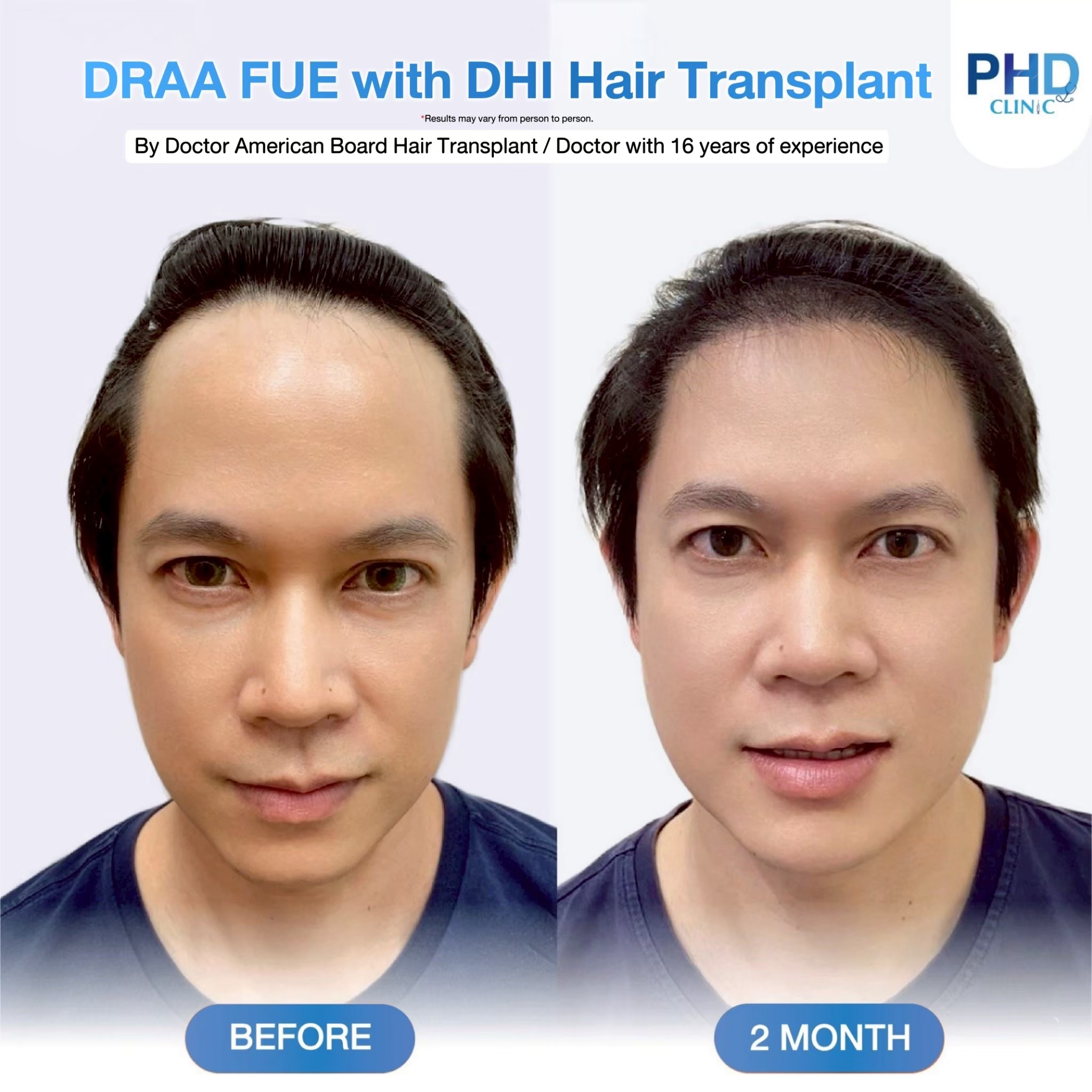
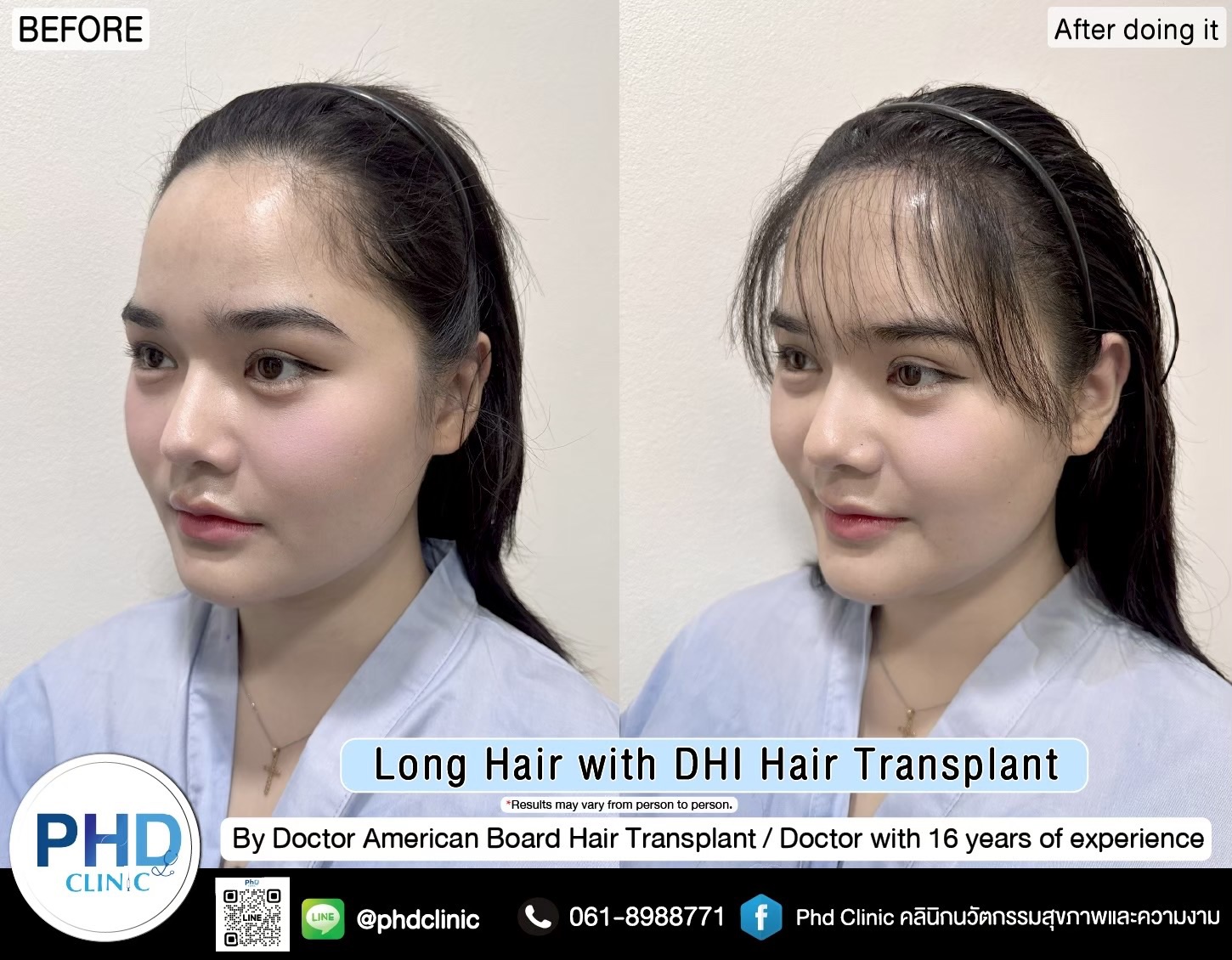
DHI (Direct Hair Implantation) is a hair transplant technique that involves moving hair follicles one graft at a time using a specialized pen called an Implanter Pen or DHI Pen. This pen is used to grasp and directly implant the hair follicle into the desired area.
 
How is DHI performed ?
 
The general steps are as follows:
 
1. Assessment and hairline design: The doctor assesses the area of ​​hair thinning and the number of grafts needed.
2. Harvesting hair follicles from the donor area: This is usually done using the FUE (Follicular Unit Extraction) method, where hair follicles are harvested one graft at a time.
3. Inserting the hair follicle into the Implanter Pen: The harvested graft is placed into the hair transplant pen.
4. Direct implantation into the hair thinning area: The doctor can determine the position, direction, and angle of the hair follicle during the implantation process.
 
Advantages of DHI :
 
* Allows precise control over the angle and direction of hair follicles.
* Suitable for areas requiring precision, such as the hairline.
* Does not require a long incision like FUT.
* Allows for targeted hair density growth.
* In some cases, it may reduce contact with hair 
What is hair transplantation ?

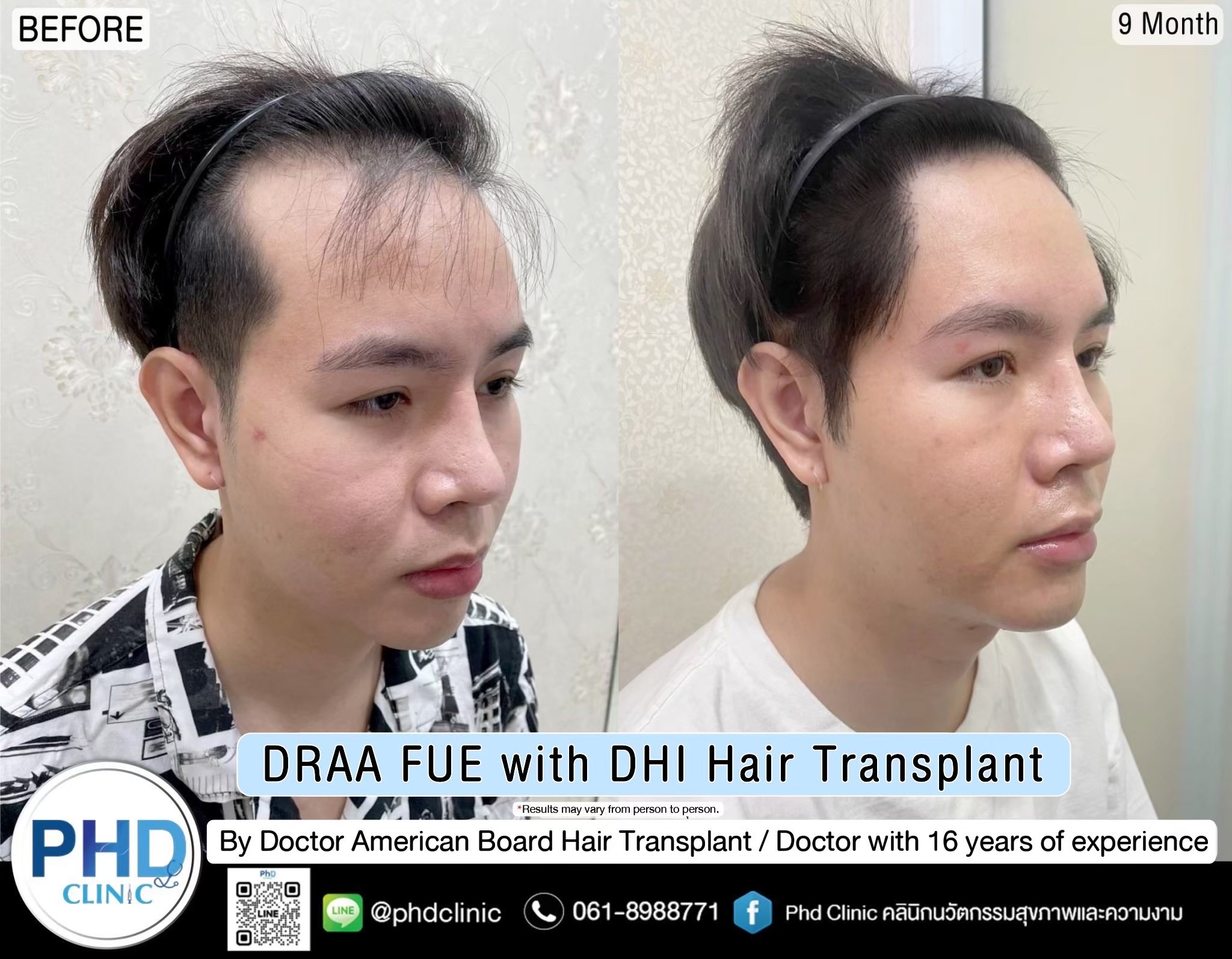
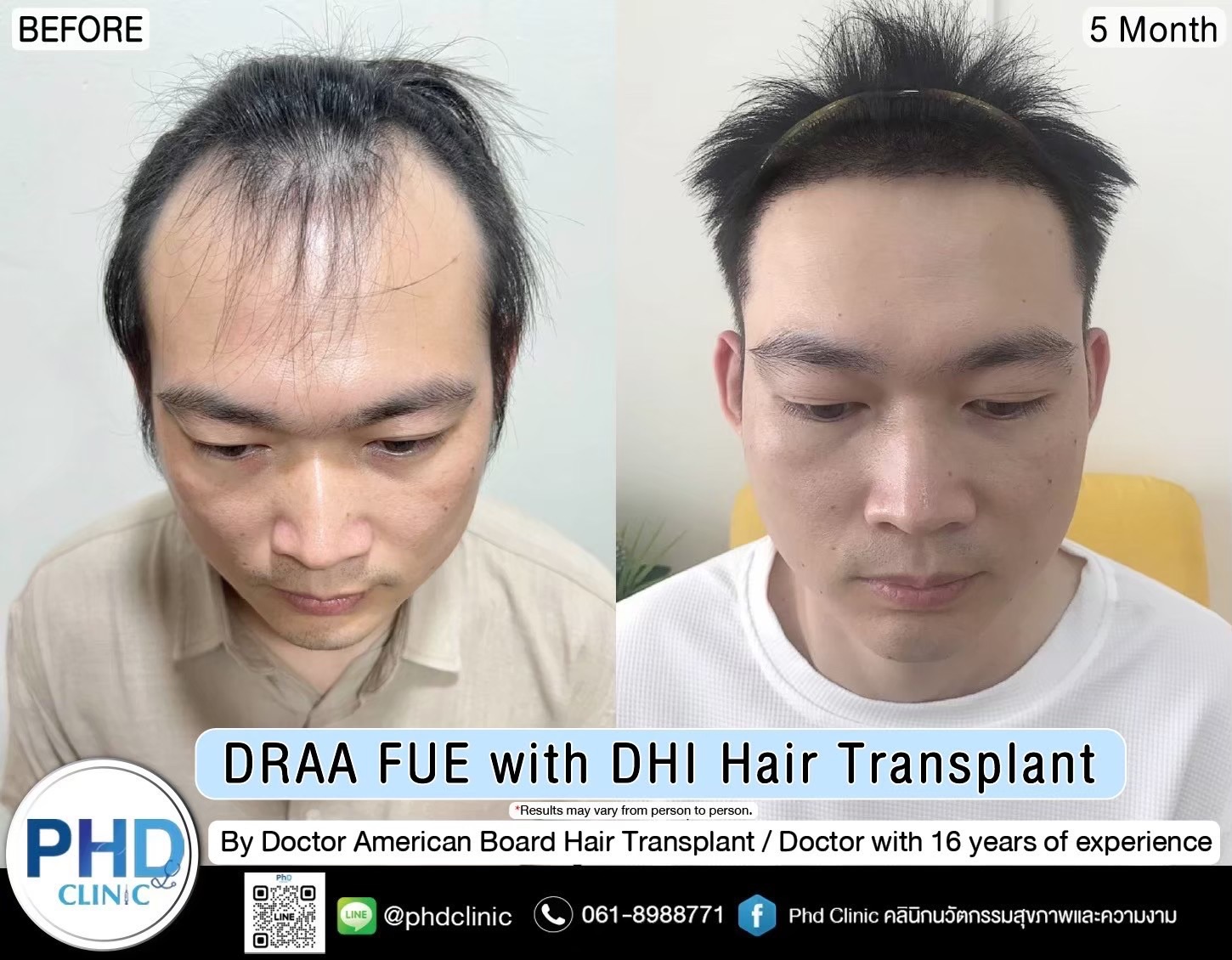
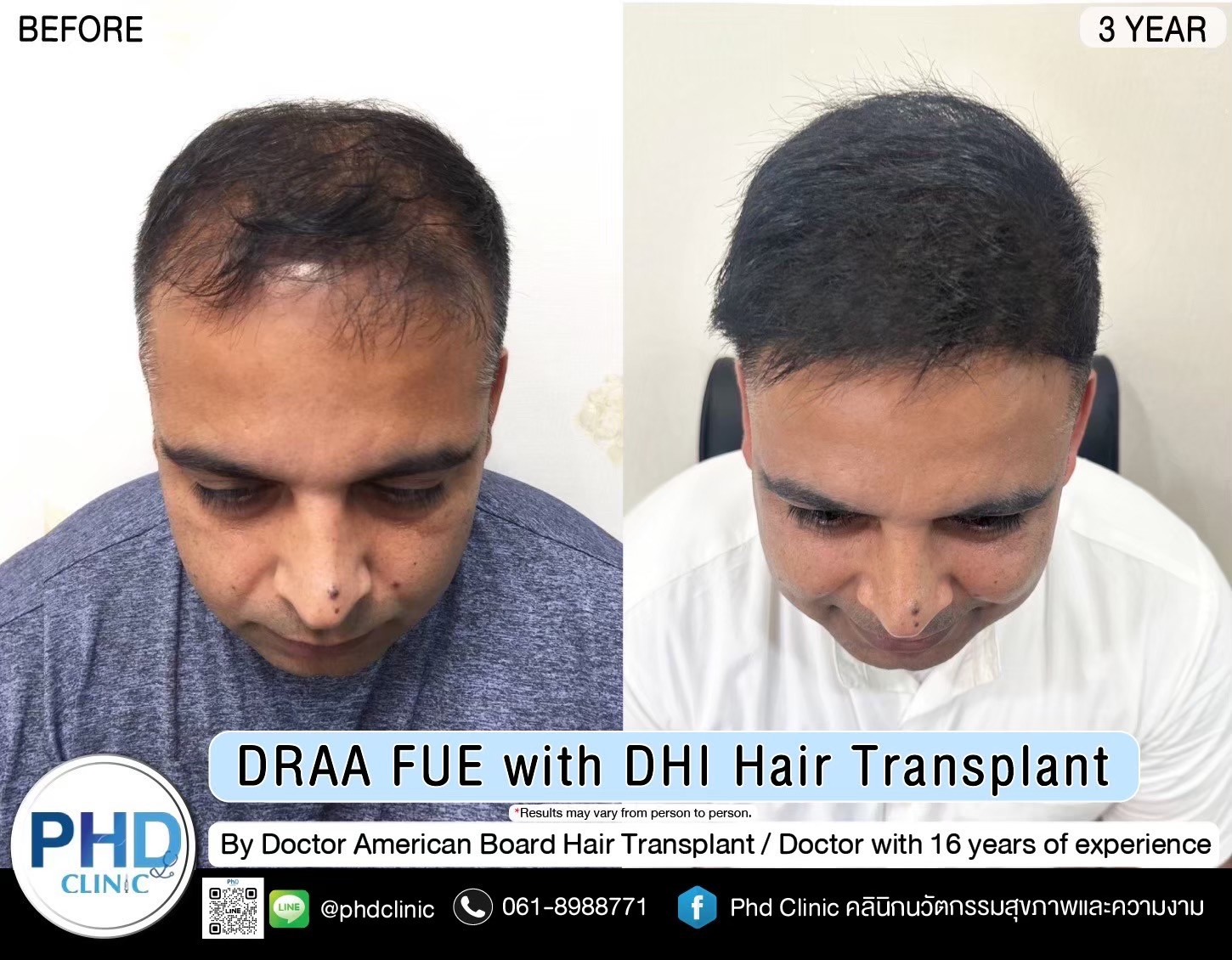
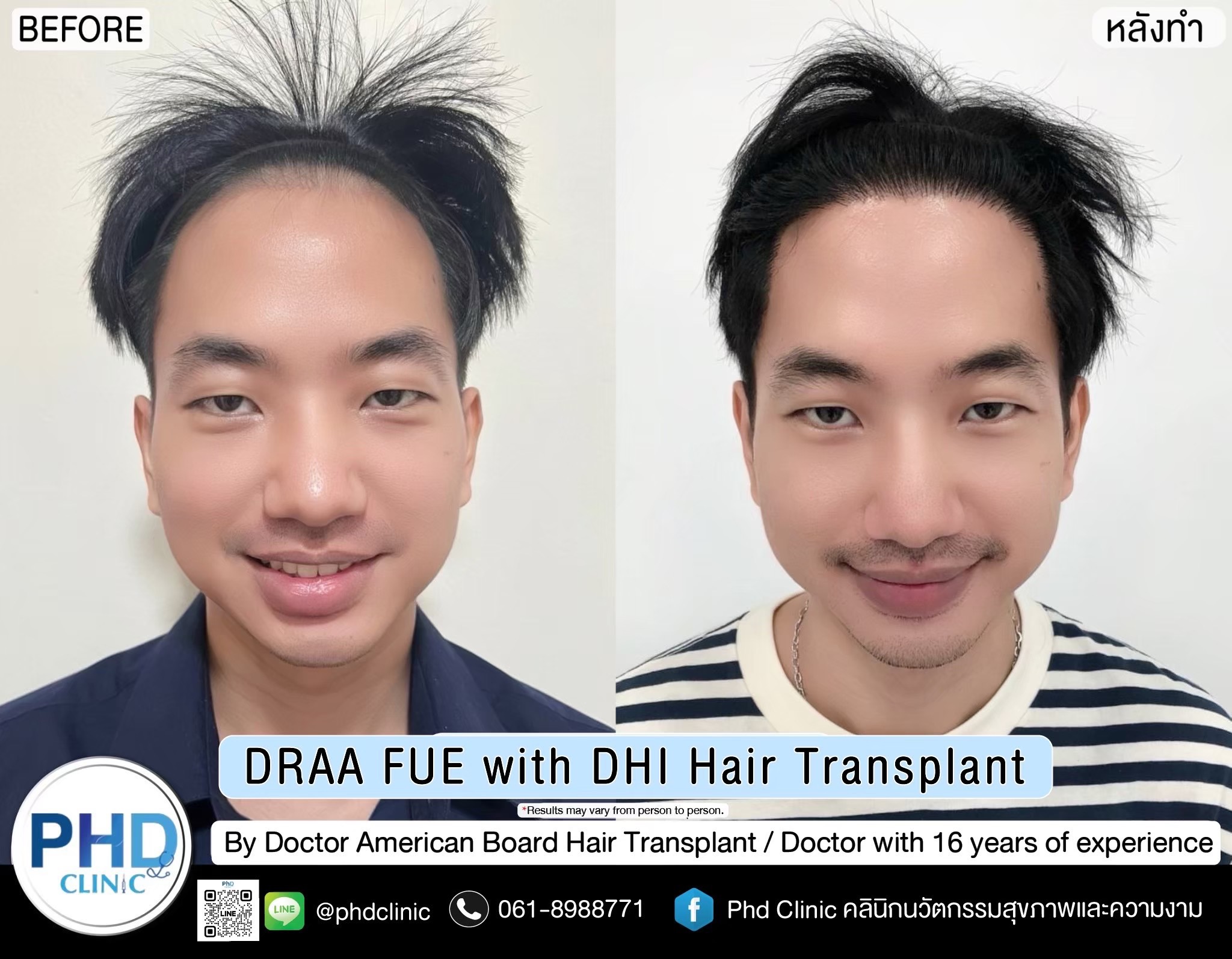
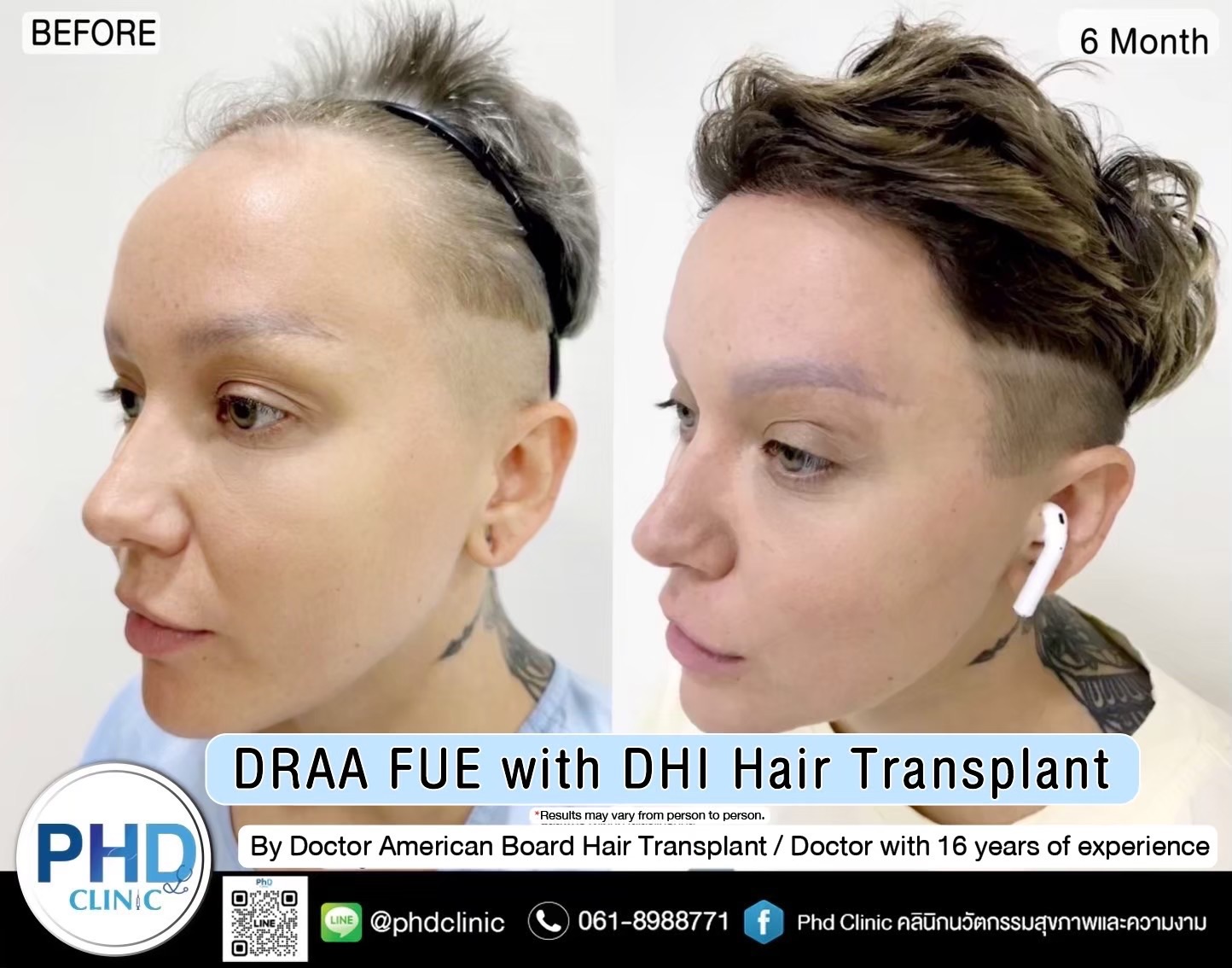
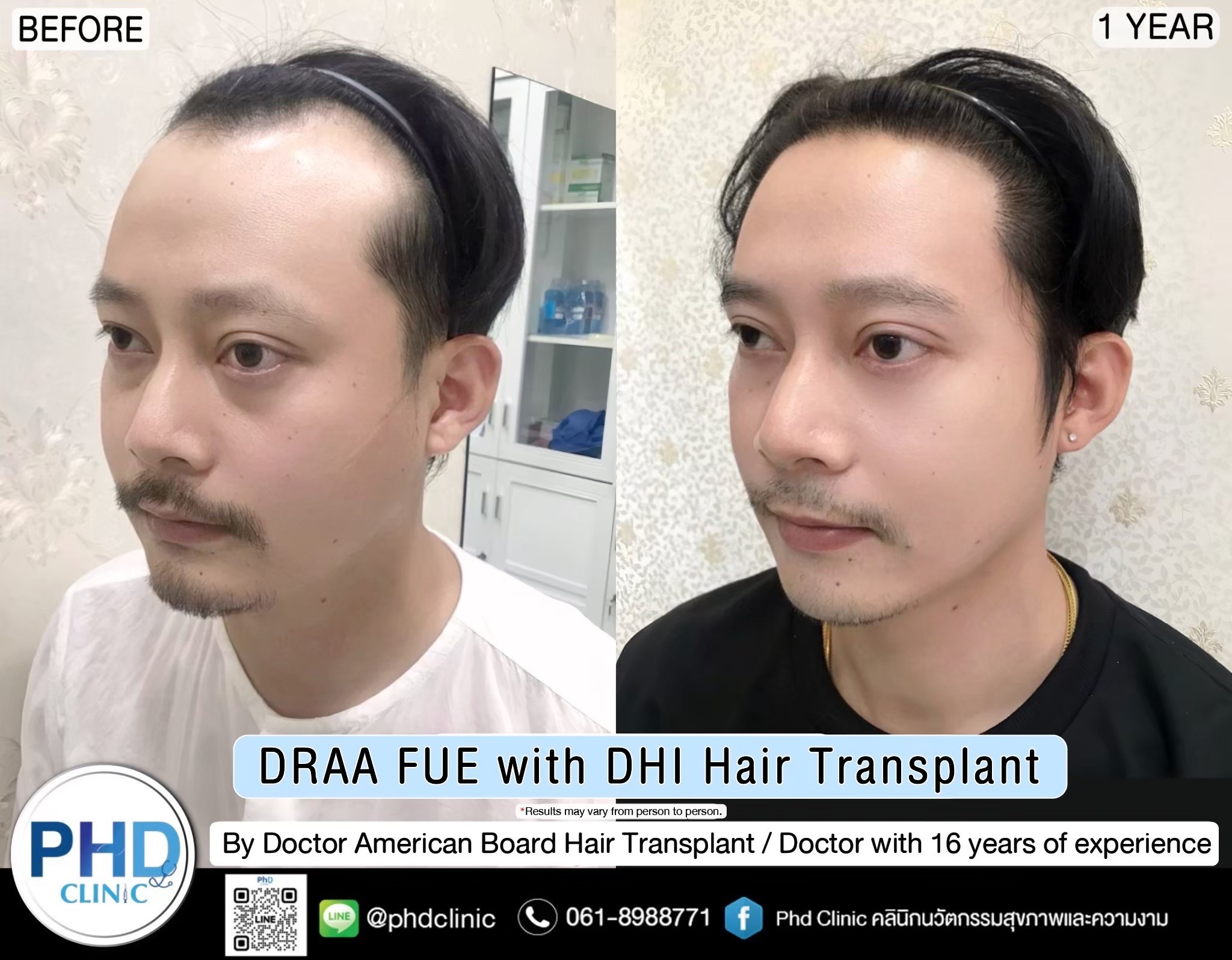
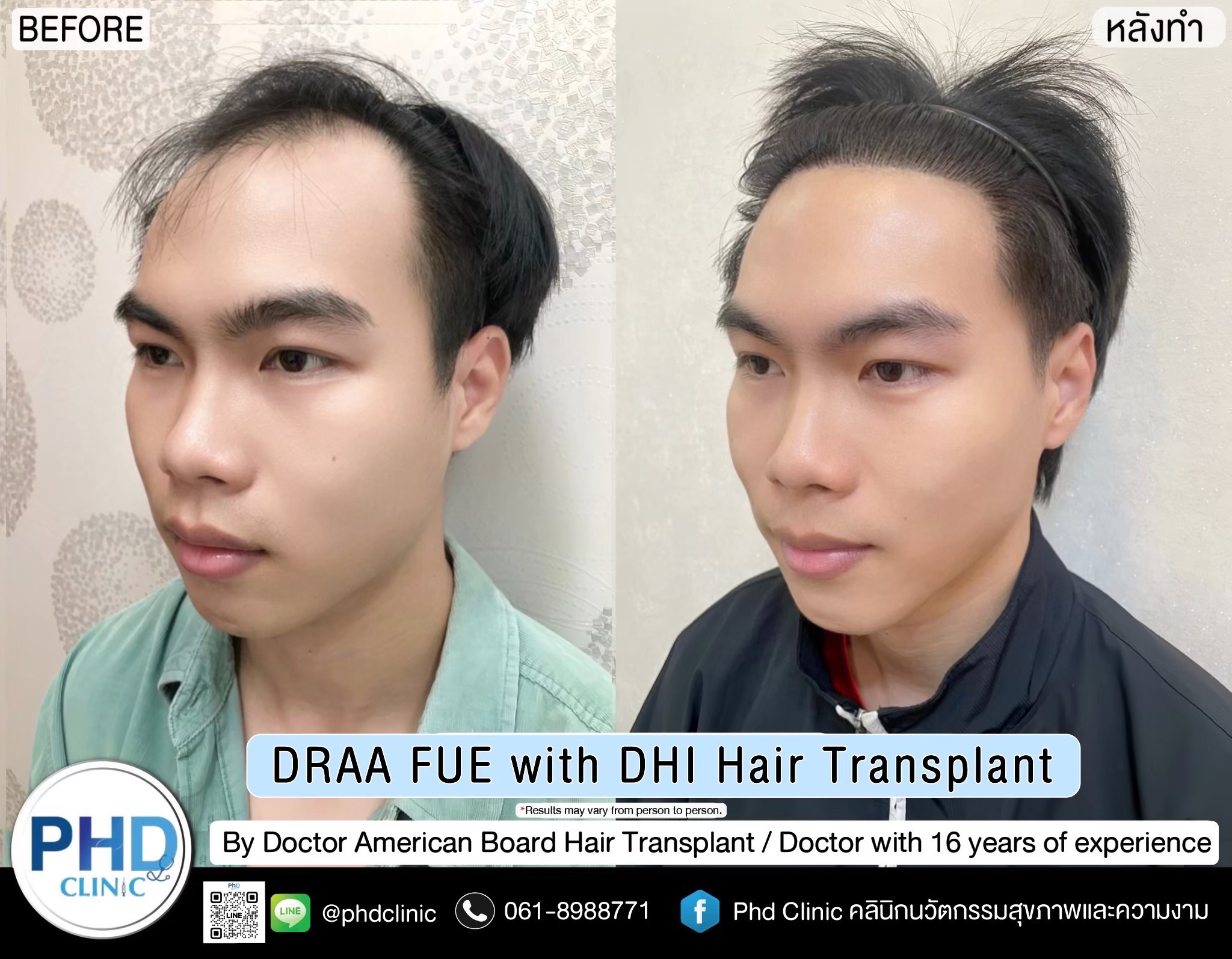
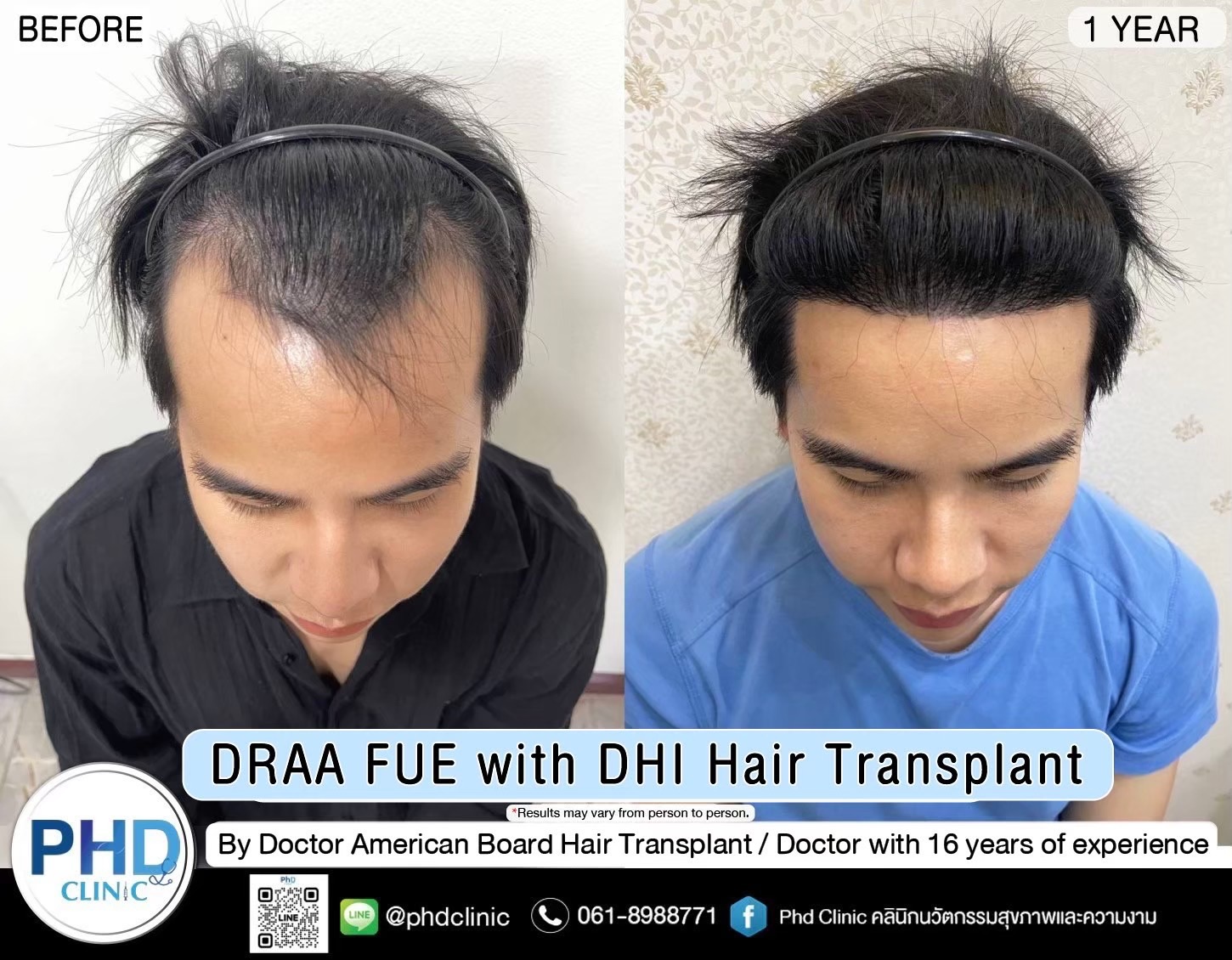
Review

REVIEW PHD REVIEW PHD REVIEW PHD REVIEW PHD REVIEW PHD REVIEW PHD REVIEW PHD REVIEW PHD REVIEW PHD REVIEW PHD REVIEW PHD REVIEW PHD REVIEW PHD REVIEW PHD REVIEW PHD REVIEW PHD REVIEW PHD REVIEW PHD REVIEW PHD REVIEW PHD REVIEW PHD REVIEW PHD REVIEW PHD REVIEW PHD REVIEW PHD REVIEW PHD REVIEW REVIEW PHD

LINE