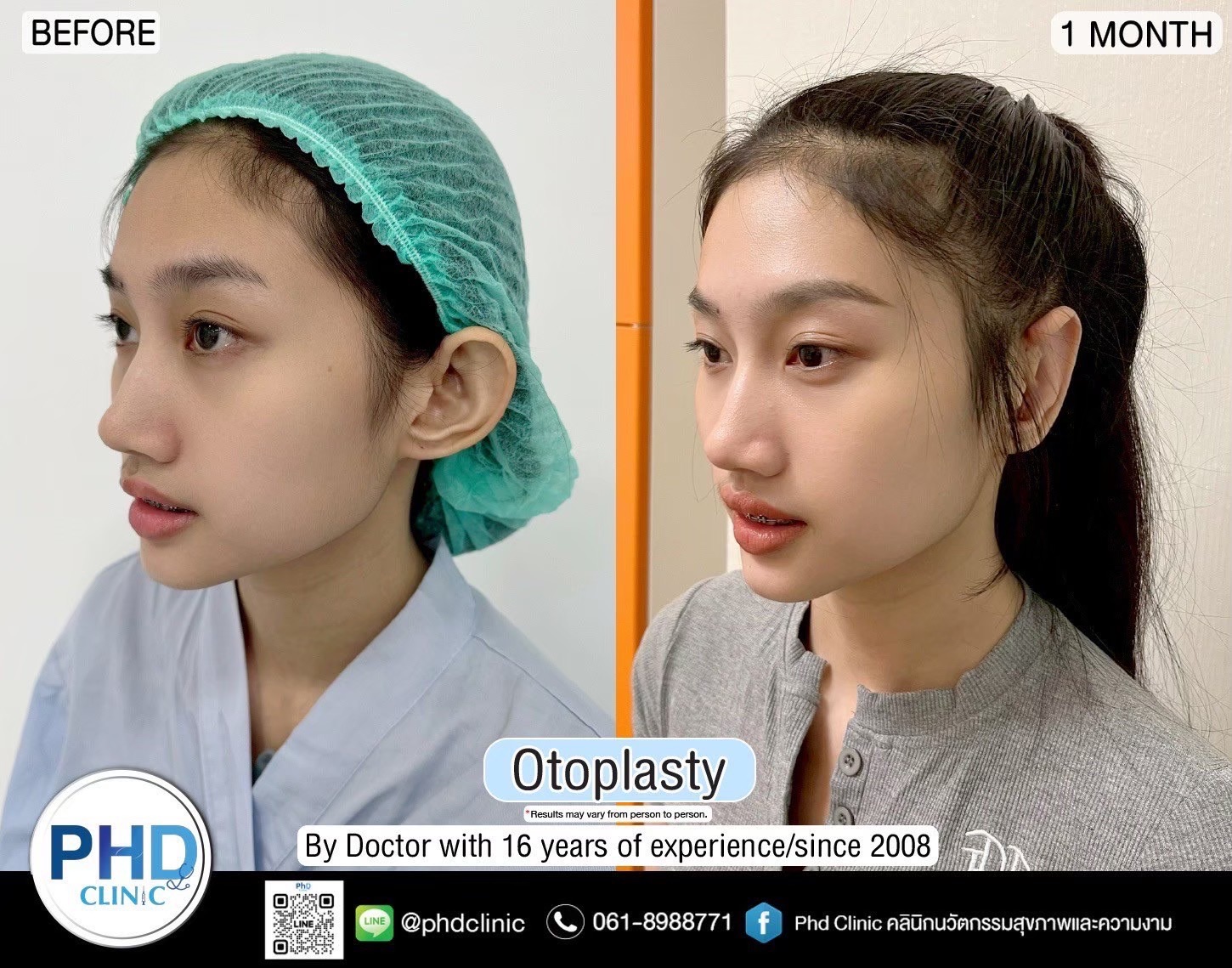

Where is the best Otoplasty in Phuket
What are protruding ears?

What is otoplasty (or correction of protruding ears)
The working principles of surgery.
the surgeon will consider addressing the problem based on two main physiological causes.
1. Creating a New Antihelix: For individuals with flat cartilage lacking a natural Y-shaped fold, the doctor will make an incision behind the ear and use sutures to pull and secure the cartilage, creating a new antihelix. This allows the upper part of the ear to fold backward.
2. Concha Reduction: For people whose cartilage in the concha is too large and deep, pushing the ear outwards, the doctor will trim away some of the excess cartilage and suture the ear closer to the skin of the skull with pins. MEDA
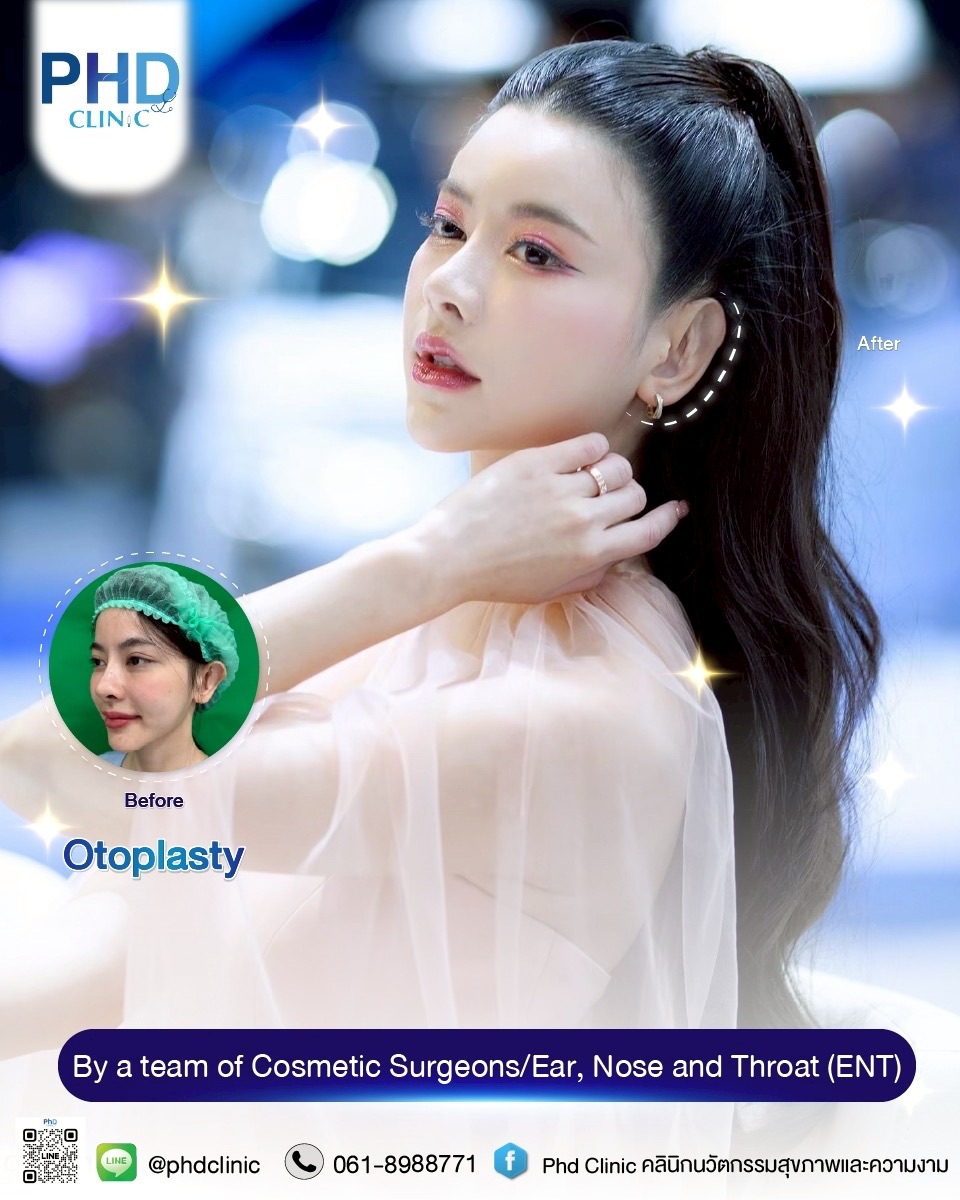
Surgical techniques
The surgeon will consider the technique based on each individual’s ear structure, and the main steps are as follows:
Incision: The doctor will make an incision behind the ear, making the scar invisible from the front.
Cartilage reshaping:
Suturing technique: Sutures are used to pull the cartilage into a new antihelical fold, causing it to curl back.
Cartilage resection technique: If the ear socket is too deep, the doctor will trim some of the excess cartilage to allow the ear to fit closer to the head.
Wound closure: The wound behind the ear will be closed with dissolvable sutures or regular sutures (which will require a follow-up appointment for suture removal).
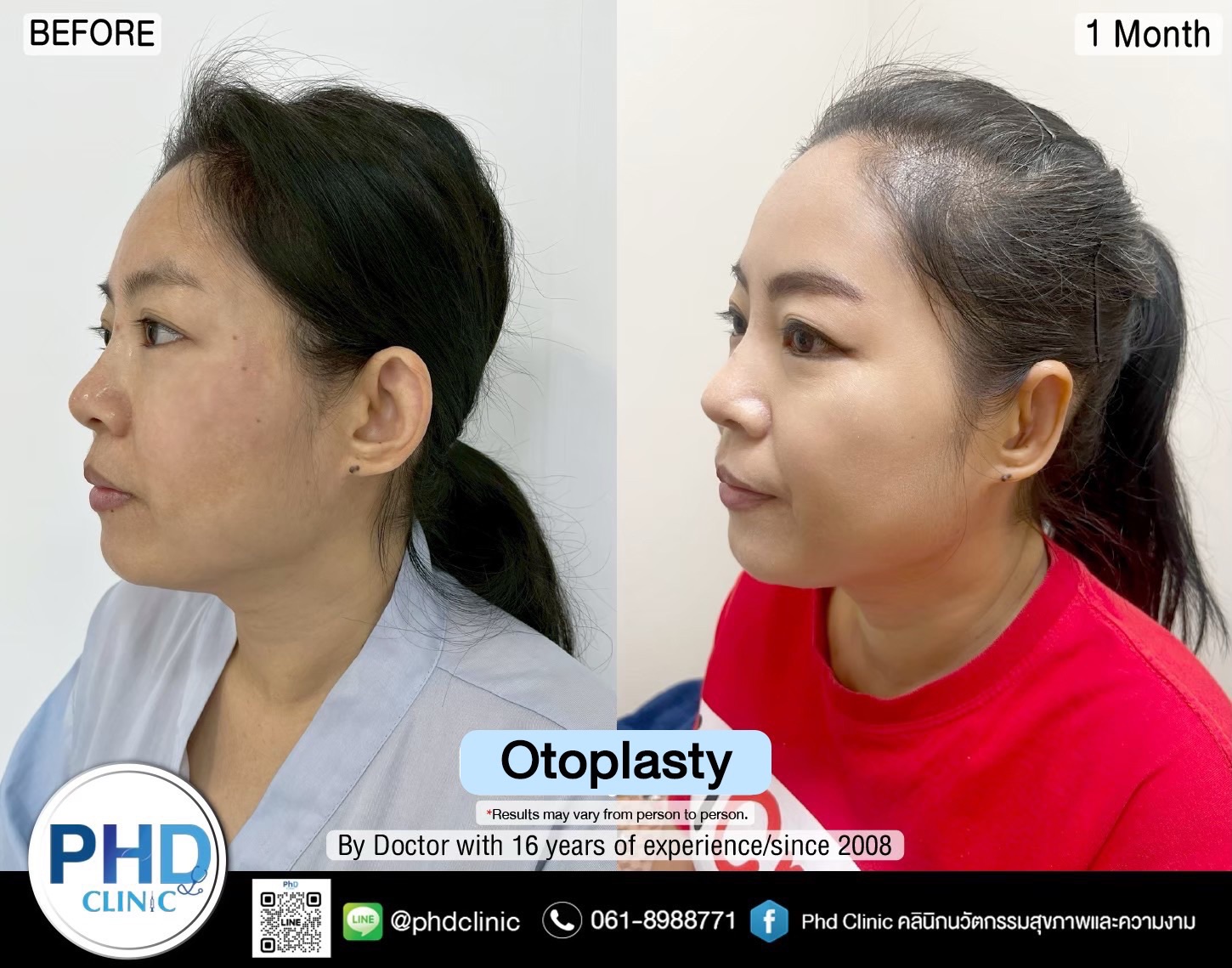
Pre-operative preparation steps
Procedures on the day of surgery and anesthesia.
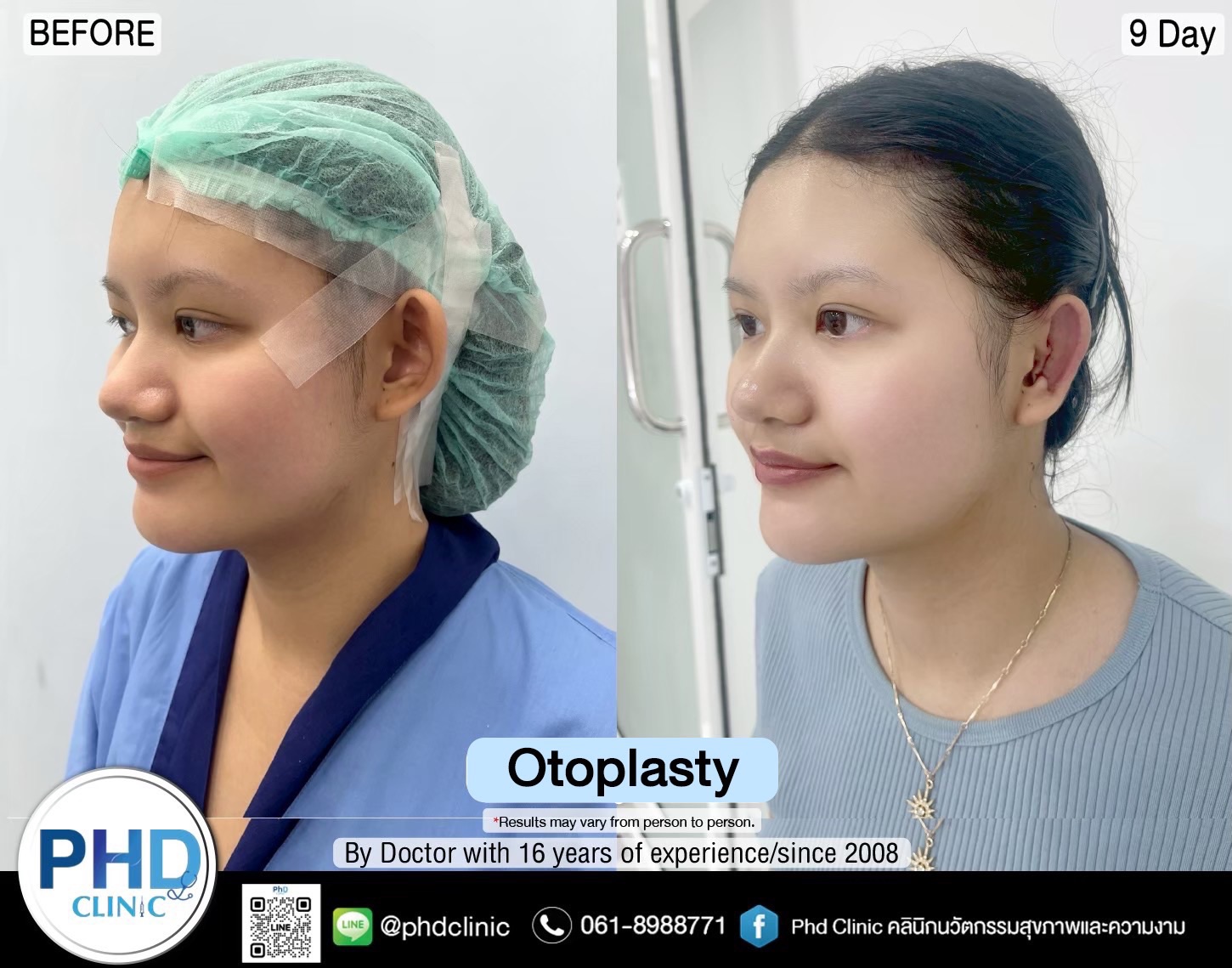
Post-operative care