Hair clinic Bangkok Restore your hair, reclaim your youth.
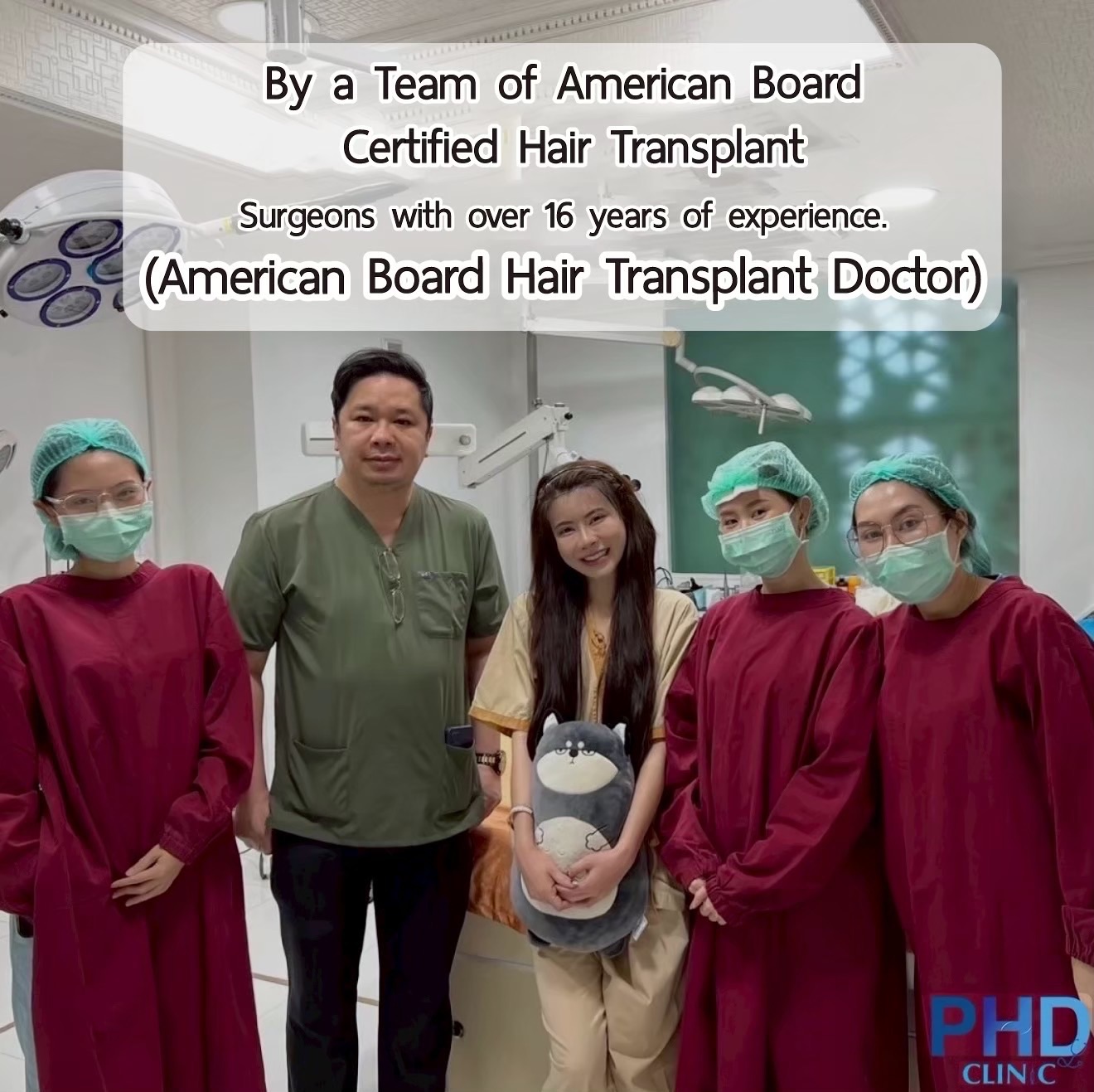
Permanent hair transplantation performed by American Board Certified Hair Restoration Surgery (ABHRS) physicians. We guarantee effective treatment results, selecting only highly specialized medical teams to deliver the best possible hair transplant outcomes.
Understanding Hair Transplantation
Hair transplantation is a minimally invasive surgical procedure that moves hair follicles from a “donor site” (usually the back or sides of the head) to a “recipient site” where hair is thinning or balding. It is the most effective and permanent solution for androgenetic alopecia (pattern baldness). MEDA
Hair transplant techniques at PHD Clinic
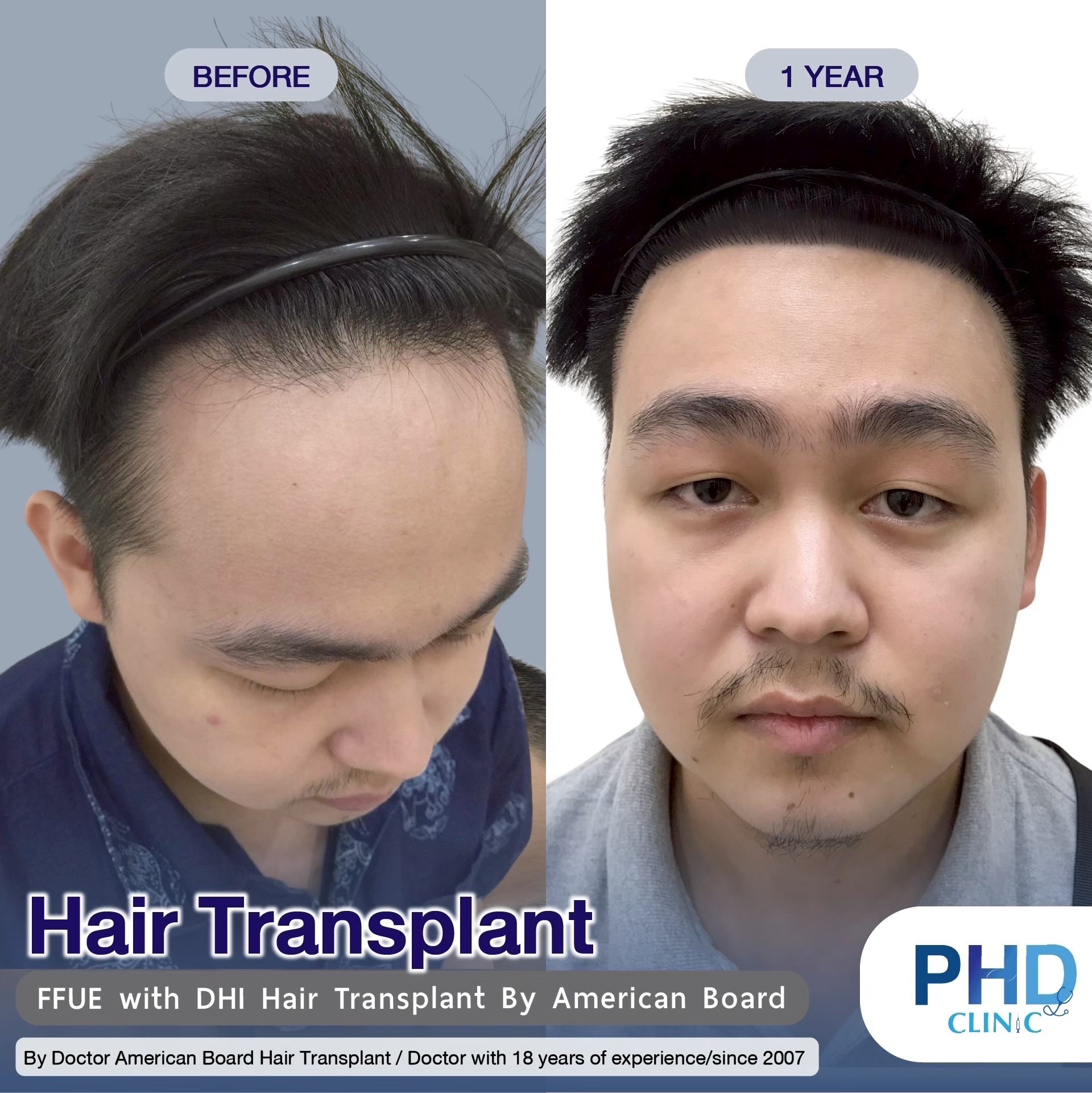
The Follicular Unit Extraction (FUE with DHI( Direct Hair Implantation)) hair transplant technique is an innovative hair transplant that does not require surgery. The results are natural and beautiful. The FUE with DHI( Direct Hair Implantation) technique has also been confirmed by FUE with DHI( Direct Hair Implantation) specialists from the United States that the area where new hair is transplanted using the FFUE with DHI( Direct Hair Implantation) is strong and does not recede or deteriorate.
The FUE with DHI( Direct Hair Implantation) is an innovative method for transplanting hair follicles. It involves extracting hair follicles and transplanting them into areas where there is no hair to be treated. The surgeon does not need to cut long pieces of the patient’s scalp, and there are no suture marks like with other hair transplant methods.
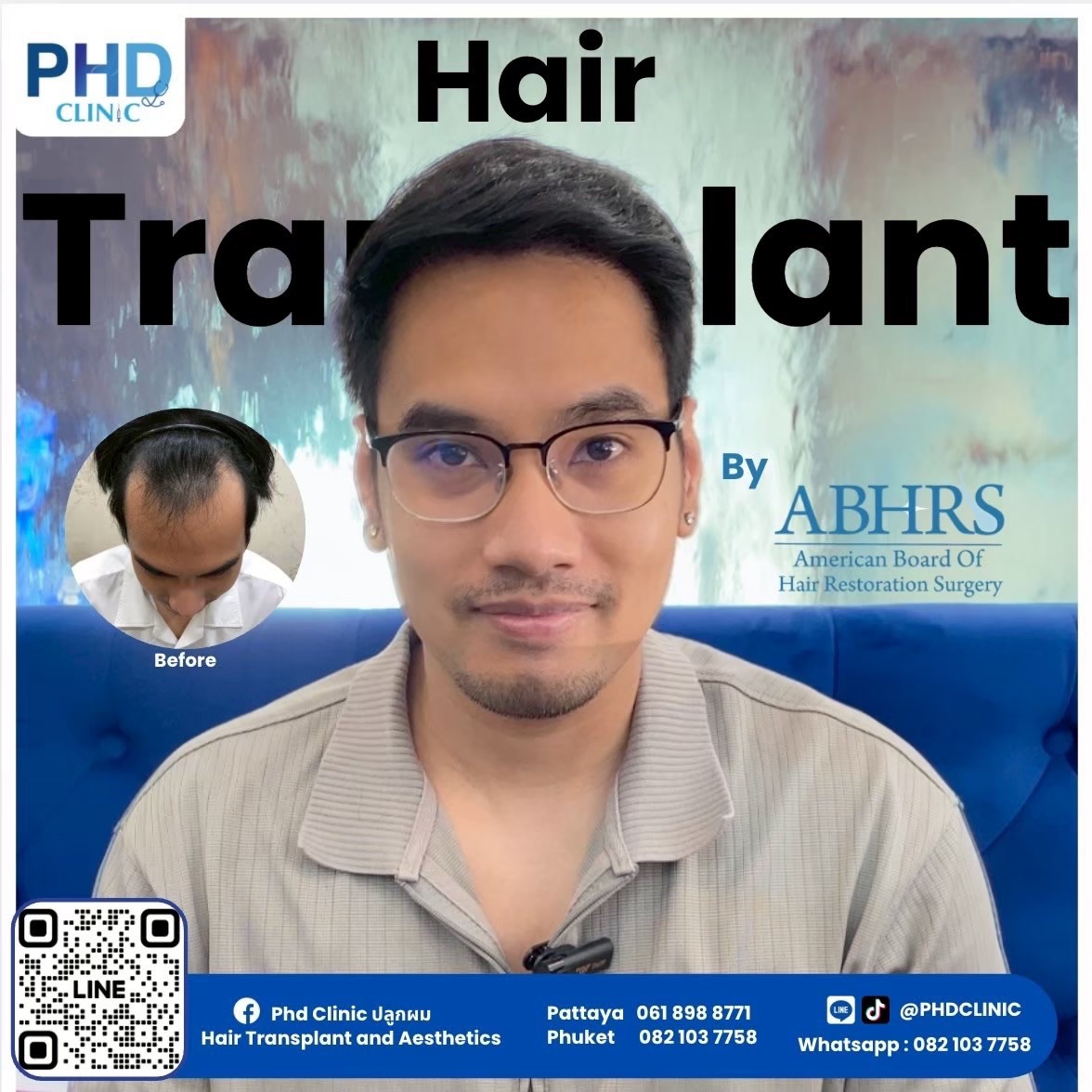
FUE with DHI( Direct Hair Implantation) technique treatment steps and methods
The specialist will inject anesthesia or give the patient a mild sleeping pill. Then the doctor will start the hair transplant treatment with the FUE with DHI( Direct Hair Implantation). This will use a special punch tool with a small head of 0.6-0.9 millimeters to punch the scalp area around the designated hair follicles, deep into the hair roots. The doctor will select hair cells from the back of the head and pull out those strong hair follicles. The doctor will then make a small incision of 0.6-0.9 millimeters in size in the area of the scalp where the new hair is to be transplanted and calculate the replacement grafts (hair root cells), similar to moving hair root cells to replace them in different positions.
The various steps in hair transplantation require meticulous care and the doctor’s expertise. If the doctor is not skilled in the procedure, the hair root cells may be broken off. Besides causing problems to the hair root cells, it may result in unnatural hair growth and negative effects during the treatment period.
It is certain that the results and differences depend mainly on the person supervising the treatment. The FUE with DHI( Direct Hair Implantation) technique requires meticulousness and precision. After the FUE with DHI( Direct Hair Implantation), the patient should not touch the wound, pat it dry, or wash their hair. The wound should also not be exposed to water in the area where the FUE with DHI( Direct Hair Implantation) was performed for 24 hours.
People who are suitable for hair transplantation
– People with hair loss problems
– People with thinning hair problems
– People with baldness problems
– People who have a receding hairline or baldness caused by genetics
– People who have a problem with the front hair being concave in the shape of the letter M
– Those who want to adjust their facial frame to be more proportional
Depending on individual needs and concerns, there are many solutions, ranging from vitamin supplements to stimulate hair growth to hair transplants. Currently, the most effective and closest solution to baldness is to transplant healthy hair follicles from the back of the head to the affected area. This hair transplant requires no recovery time and is painless. The advantage of this method is that the new hair is the patient’s own natural hair, giving it a natural appearance. It is hair formed from healthy hair root cells and can grow back once it falls out. Patients can confidently return to their daily activities, such as swimming and cycling. After the hair transplant, there are no maintenance costs; they can wash, cut, dye, and more themselves, or go to a regular barbershop.
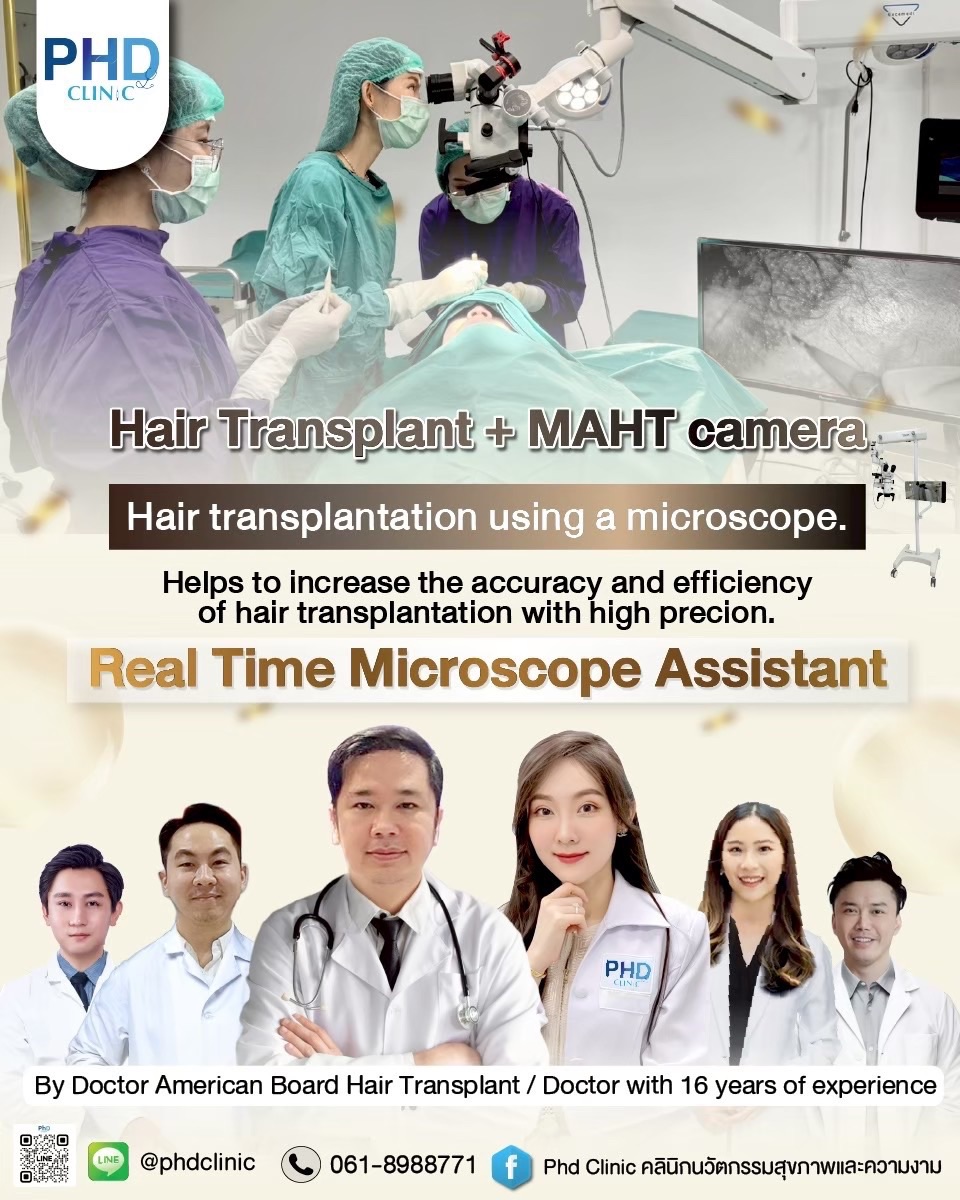
Why Choose Hair Restoration?
• Permanent Results: Unlike topical treatments, transplanted hair is genetically resistant to balding, meaning it will grow for a lifetime.
• Natural Appearance: Modern techniques allow surgeons to mimic your natural hair growth pattern, making the results virtually undetectable.
• Minimal Downtime: Most patients can return to work within 3–5 days after the procedure.
Preparation before hair transplant
1. Customers should stop taking medications such as vitamins at least 1-3 days before the hair transplant.
2. In case the customer has a chronic disease such as diabetes, high blood pressure,
heart disease, etc., you must inform the doctor before the hair transplant
. 3. It is recommended that customers cut their hair short before the hair transplant (if inconvenient, please inform the staff).
4. Do not drink any alcoholic beverages 2-3 days before the hair transplant.
5. If you are allergic to any medication, please inform the doctor on the day of the pre-hair transplant consultation.
6. You must have a blood test at least 3 days before the hair transplant.
7. On the day of the hair transplant, it is recommended that you wear a shirt with buttons in the front or a shirt and have a relative pick you up and drop you off (if inconvenient, please inform the staff. The clinic provides a pick-up and drop-off service.)
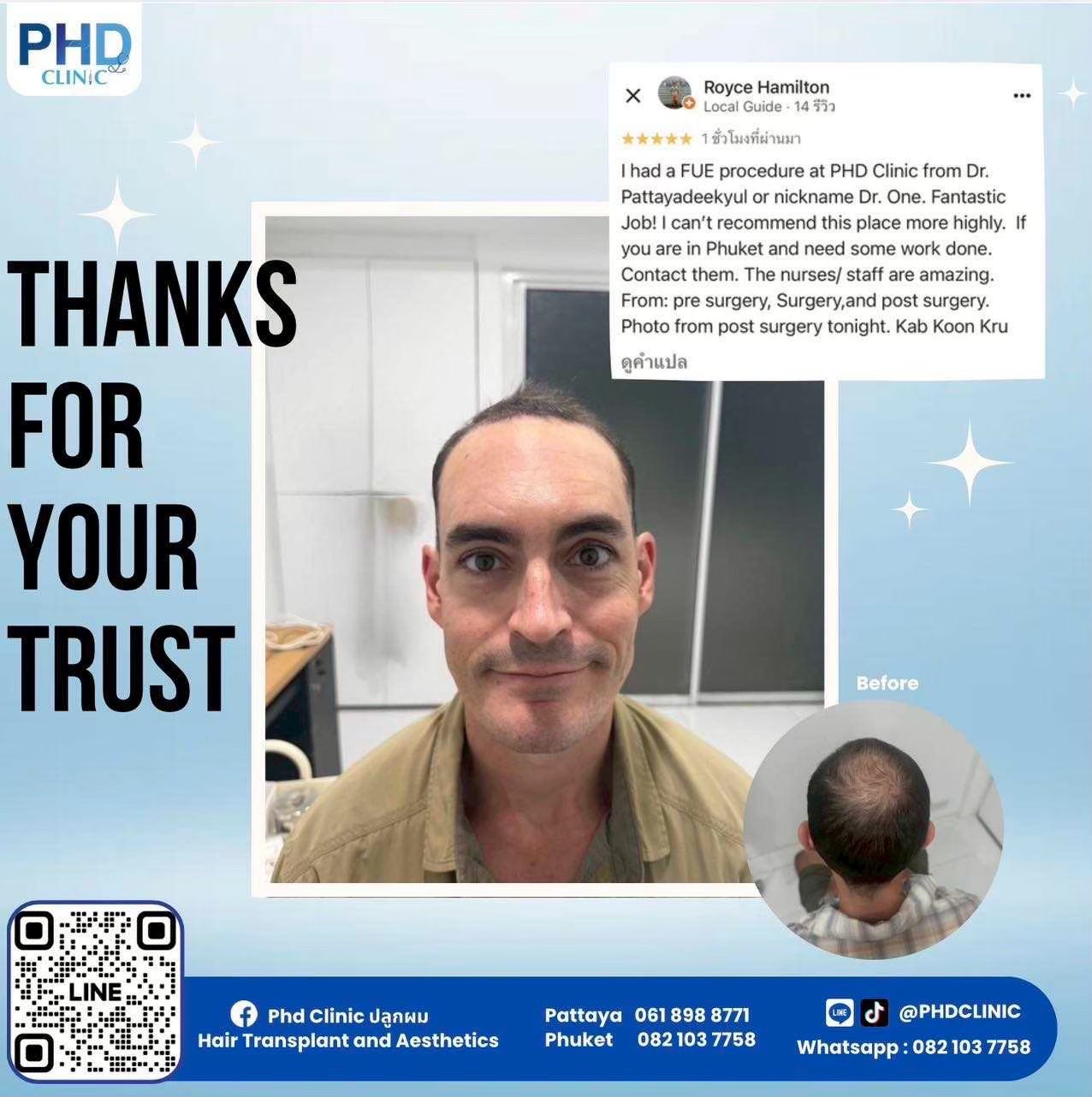
Post-hair transplant care
1. Do not let the hair transplant wound get wet for the first 24 hours.
2. After the hair transplant, do not sleep on your side or stomach. You should sleep with a U-shaped pillow under your head or flat on your neck and raise your head.
3. Refrain from drinking alcoholic beverages for at least 2 weeks.
4. Reduce smoking, as cigarettes are an obstacle to the growth and emergence of hair root cells.
5. Refrain from strenuous exercise or contact sports for about 2 weeks.
6. Refrain from swimming and sauna for 1 month.
7. Avoid prolonged exposure to the sun, or if you must go outdoors, cover your head with a cloth.
8. After the hair transplant, do not pick, scratch, or touch the transplanted area. If you feel itchy, place a clean tissue on it and press gently on the itchy area.
9. After the hair transplant, you can wash your hair as usual. For the first month, use a mild shampoo or baby shampoo.
10. Do not pick at the wound scab! Let the scab fall off naturally, or let the medical team pick it off for you.
11. Refrain from eating foods that are forbidden or pickled to prevent the transplant wound from becoming inflamed.
12. Strictly follow your doctor’s advice.
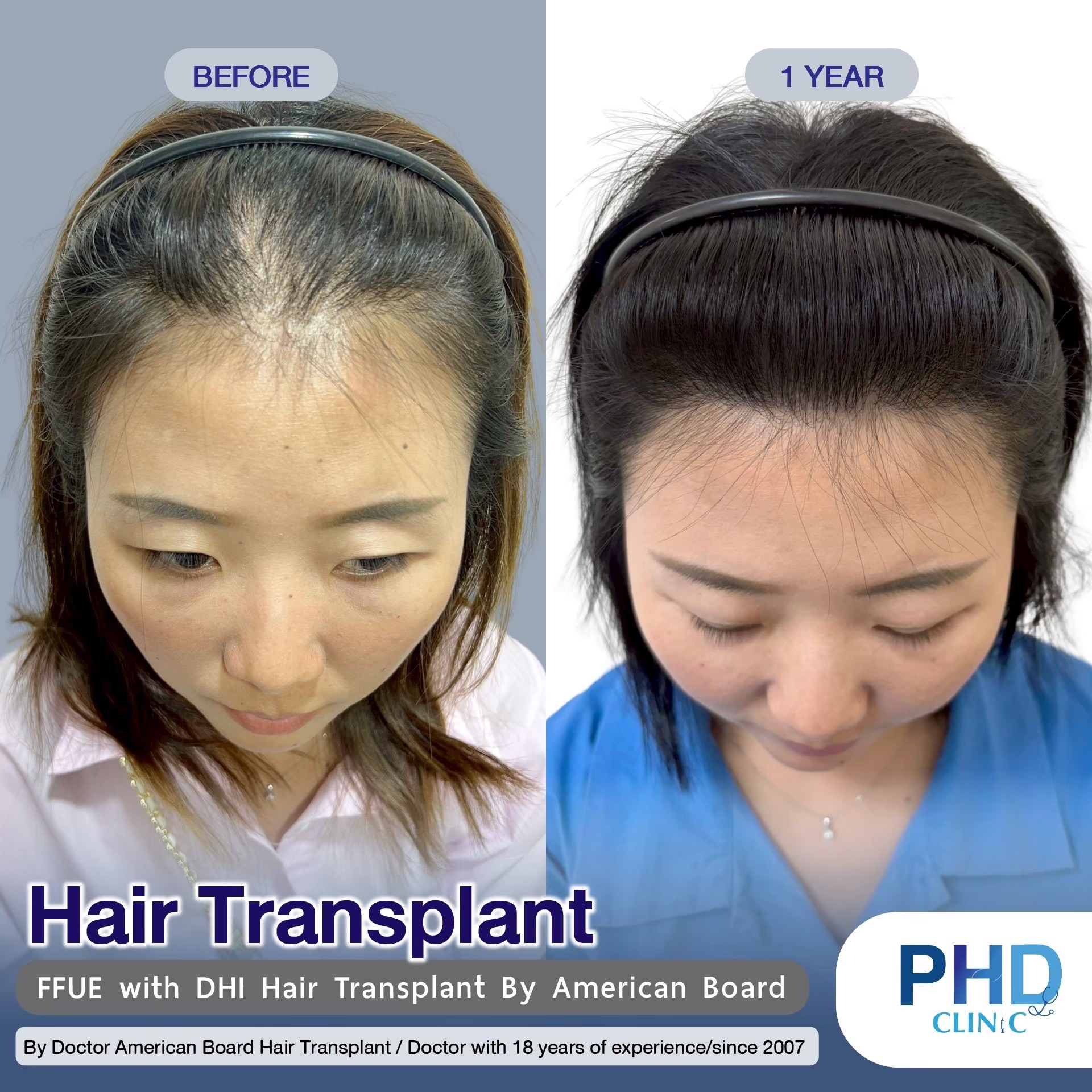
Advantages of hair transplantation
1. Increase your confidence in life. No matter what haircut or hairstyle you choose, you won’t have to worry anymore.
2. Better health results from hair transplantation. Hair has a life cycle similar to normal hair, it can fall out and grow back.
3. Fewer side effects, less chance of complications than other surgeries.



