
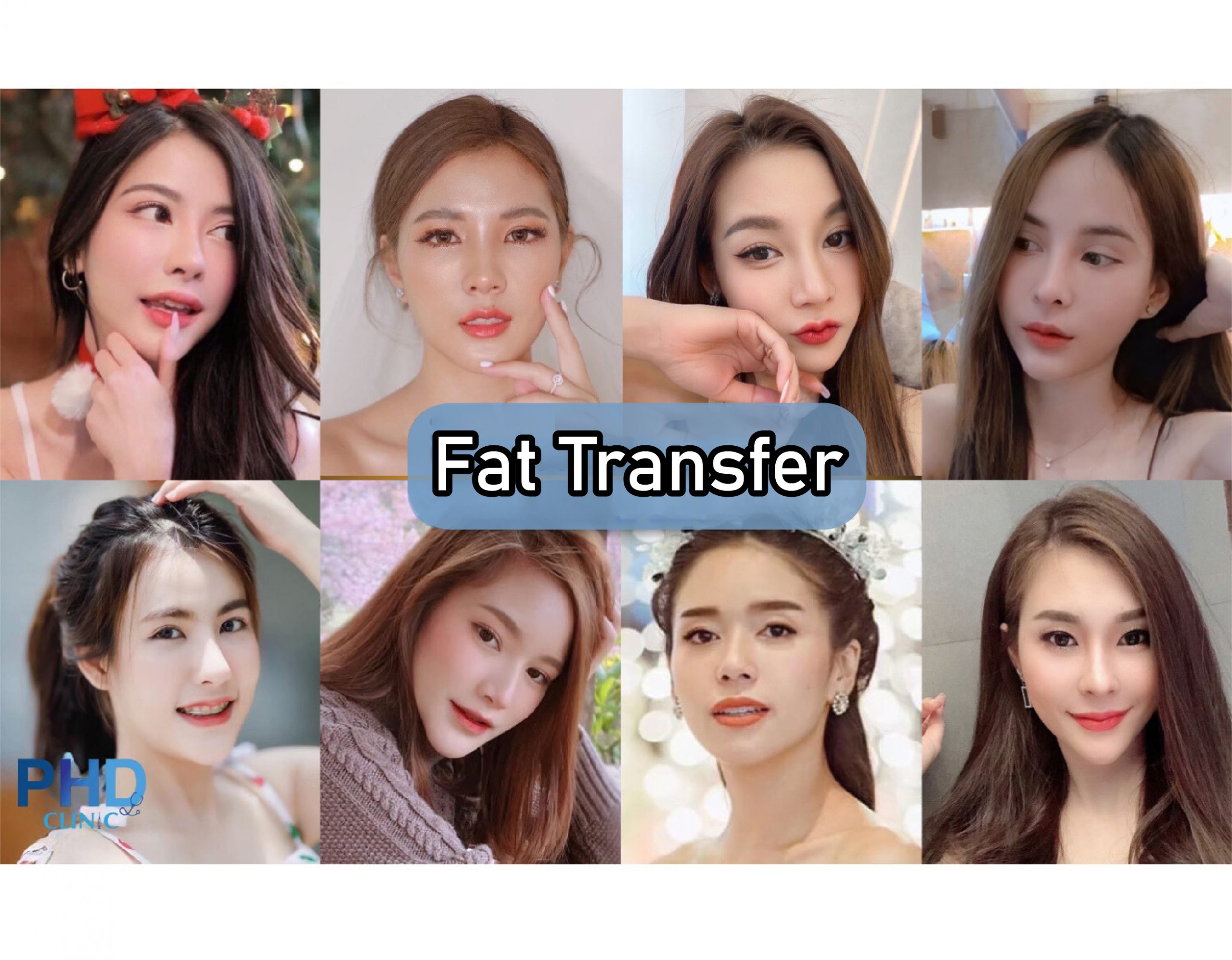
Fat Transfer Pattaya Filling the gaps, Feeling the glow.
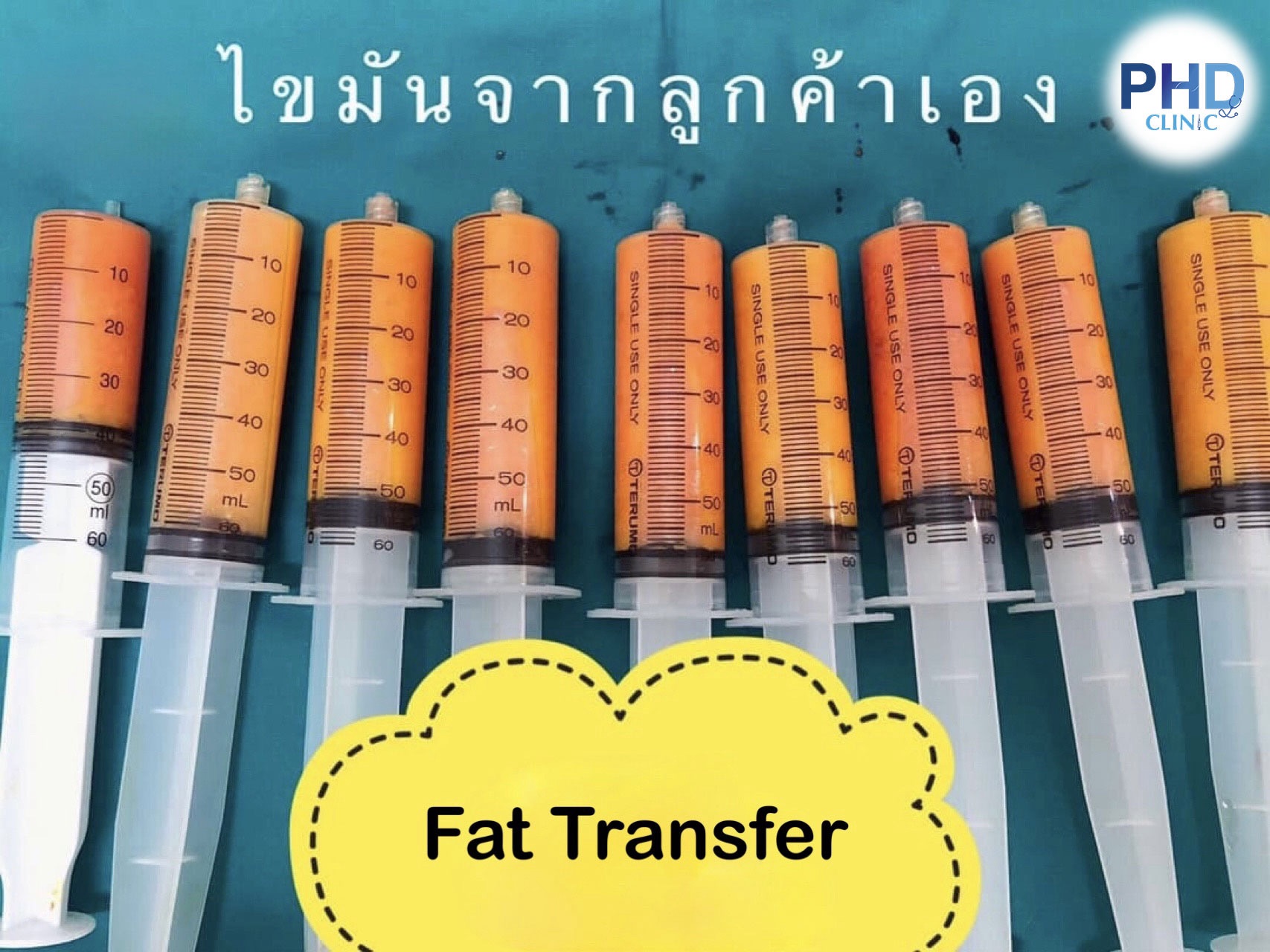
Advantages of facial fat transfer
– No foreign substances enter the body because the patient’s own fat is used.
– There is no scarring as no surgery is required, just fat injections into the face.
– The injected fat that remains after 6 months is permanent.
– Fat contains fat cells, which makes the face appear more natural and youthful after fat injection.
– There is no significant pain during or after the procedure.
Safe and harmless
Preparation before facial fat transfer
– Inform the doctor of any history of drug allergies, medications and dietary supplements taken, including any chronic diseases and surgical history. Bring any medications you regularly take for the doctor to assess.
– Stop taking blood thinning medications (Aspirin, Ibuprofen), vitamins A, E, C, herbs, ginseng, ginkgo, and fish oil 2 weeks before receiving the service.
– Refrain from smoking and drinking alcohol at least 2 weeks before surgery to reduce the risk of infection and prolonged swelling.
– Injections should be avoided while the patient is ill, such as with a cold or fever, as this will cause the patient to be weak, potentially increasing the risk of facial fat injections.
– No need to fast
– You should shower, wash your hair, and clean your body thoroughly before surgery.
– Before the injection, avoid wearing makeup as it is difficult to remove before surgery to reduce the risk of infection.
– Before fat injections, patients should reduce their anxiety because fat injections to fill the face are not as scary as they think.

Self-care after facial fat transfer

What areas can be filled with liposuction?
How long does facial fat transfer last?
“How long does fat injection last?” This is a popular question. The answer is that it can last for many years. This is because fat injections are a procedure that uses your body’s own filler, which is excess fat. However, unlike filler injections, fat shrinks after injection.
How long does fat injections last? The chances of fat cells surviving after transplantation range from 30 to 80%, depending on many factors. We have a technique that preserves the quality of fat cells from the suction and injection process, which gives a 70% chance of fat attaching and lasting for years without the need for a second injection. The transplanted fat cells become part of the body and will increase or decrease according to the patient’s weight. That is, if you gain weight, your fat will also swell.



